
Start Your Dropshipping Business Today: A Step-by-Step Guide
Learn the Ins and Outs of Building a Profitable Online Store with Minimal Investment
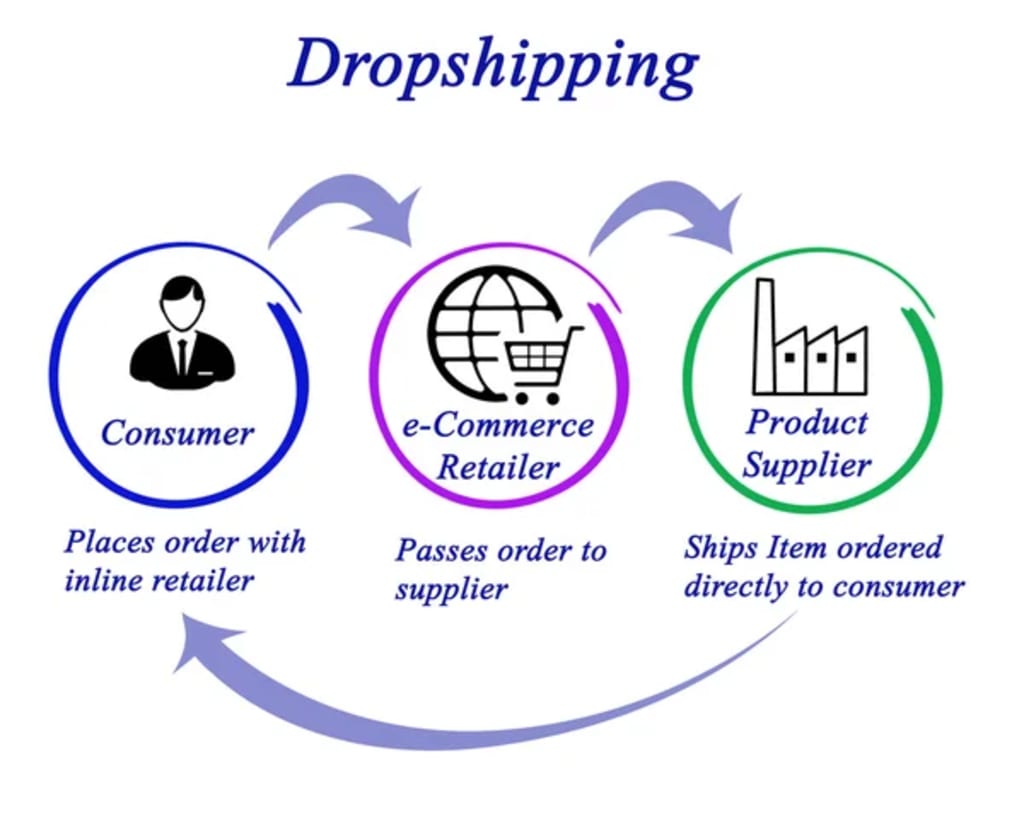
Starting a dropshipping business is a great way to enter the e-commerce industry and begin selling products online. With little upfront investment and the ability to run your business from anywhere, dropshipping has become a popular business model for entrepreneurs and small business owners.
This blog post will walk you through the steps of starting your own dropshipping business. Whether you're a complete beginner or an experienced e-commerce entrepreneur, this guide will provide you with the knowledge and tools you need to get started and grow your business.
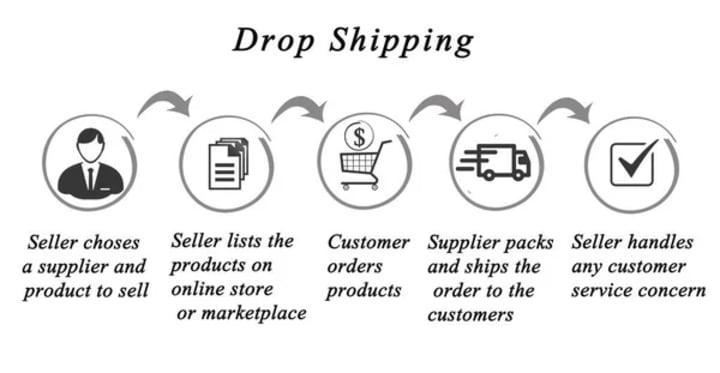
Step 1: Research and find profitable products
The first step in starting a dropshipping business is to research and find products that you can sell. There are a variety of tools and resources that can help you find products that are in high demand and have the potential to be profitable. Some popular options include:
AliExpress: A wholesale marketplace that offers millions of products at low prices.
Oberlo: A tool that allows you to import products from AliExpress directly into your Shopify store.
Amazon: One of the largest e-commerce marketplaces in the world, Amazon is a great place to research products and find best sellers.
When researching products, it's important to consider factors such as competition, profit margins, and demand. You should also consider the target audience for your products and what type of marketing efforts will be required to reach that audience.
Step 2: Set up your online store
Once you've found products you want to sell, setting up your online store is next. There are a variety of e-commerce platforms that you can use to build your store, including Shopify, BigCommerce, and WooCommerce.
Consider factors such as ease of use, customization options, and cost when choosing a platform. It's also important to choose a platform that integrates well with the tools and apps that you'll be using to run your business, such as payment processors and shipping apps.
Step 3: Source your products from suppliers
Once your store is set up, the next step is to source your products from suppliers. As a drop-shipper, you will not be holding inventory and instead, you'll be ordering products from a supplier only when a customer purchases in your store.
When sourcing products, it's important to find suppliers that are reliable and offer competitive prices. You should also look for suppliers that offer fast shipping and good customer service.
Step 4: Market and promote your store
Now that your store is up and running and you have products to sell, it's time to start marketing and promoting your store. There are a variety of ways to do this, including:
Social media marketing: Use platforms such as Facebook, Instagram, and Pinterest to promote your products and reach new customers.
Search engine optimization (SEO): Optimize your store and product pages for search engines to help customers find you.
Email marketing: Build an email list and send targeted marketing campaigns to customers.
Step 5: Manage and grow your business
Once your store is up and running, it's important to stay on top of key metrics such as website traffic, conversion rates, and customer engagement. You should also continue to research and find new products to add to your store and implement strategies to increase sales and revenue.
Starting a dropshipping business can be a challenging and rewarding experience. By following these steps, you can set yourself up for success and build a profitable online store. Remember to stay patient and persistent, and always be open to learning and trying new things.
Conclusion:
Starting a dropshipping business is a great way to enter the e-commerce industry with little upfront investment. The first step is to research and find profitable products, then set up your online store using an e-commerce platform that suits your needs. Next, source your products from reliable suppliers and market and promote your store using various strategies. Finally, you need to manage and grow your business by staying on top of key metrics and constantly finding new ways to increase sales and revenue. Remember, building a successful dropshipping business takes time, patience, and persistence.
About the Creator
Adding Tech to Ed
Technology is reshaping education in ways that were unimaginable just a generation ago. While access to quality learning was once limited by geography, income, language, or physical ability, digital innovation is steadily removing many of those barriers. Today, technology is not simply enhancing classrooms—it is expanding who education is for, when it happens, and how it is experienced. By increasing flexibility, personalization, and inclusion, technology is making education more accessible to learners of all ages and backgrounds.
By Dennis Muizers Lovejoy5 days ago in Education
How smart are crows?
In one of Aesop’s 2,500-year-old fables, a crow is searching for water. It spies a pitcher and discovers liquid inside— but it's beyond reach. Soon, the crow begins dropping pebbles into the pitcher. One by one, they displace the water, and the crow quenches its thirst. Interestingly, this fable turns out to be pretty accurate. In a 2014 experiment, scientists placed a food reward in a tube partially filled with water and watched as crow after crow dropped stone after stone in until the food was in beak-snatching distance.
By Munesh Yadav2 days ago in Education
Autonomy Is The Real Privilege
Good morning, freedom-seekers! Today we’re gonna be looking at autonomy. A strange word, I know; one many would probably look at blankly and run away from on sight. We’re gonna figure out what it actually means, consider how it’s achieved, and decipher just how deeply most of us are tangled up in dependence without realising it.
By That ‘Freedom’ Guyabout 19 hours ago in Humans


Comments
There are no comments for this story
Be the first to respond and start the conversation.