
Shipping 10 Million Vaccine Doses Per Day: How Chicago O'Hare Airport Prepares for the Challenge
science
Introduction:
As the world eagerly awaits the most anticipated vaccine of the 21st century, the logistical challenges of distributing millions of doses in record time become increasingly apparent. With the help of Lufthansa Cargo, Chicago O'Hare International Airport has invested $5 million to upgrade its facilities, enabling the transportation of up to 200 tons of pharmaceutical cargo per day. This article delves into the comprehensive preparations being made at Lufthansa's cargo facility, outlining the crucial role it will play in shipping vaccines worldwide.
Meeting the Challenges of Distribution:
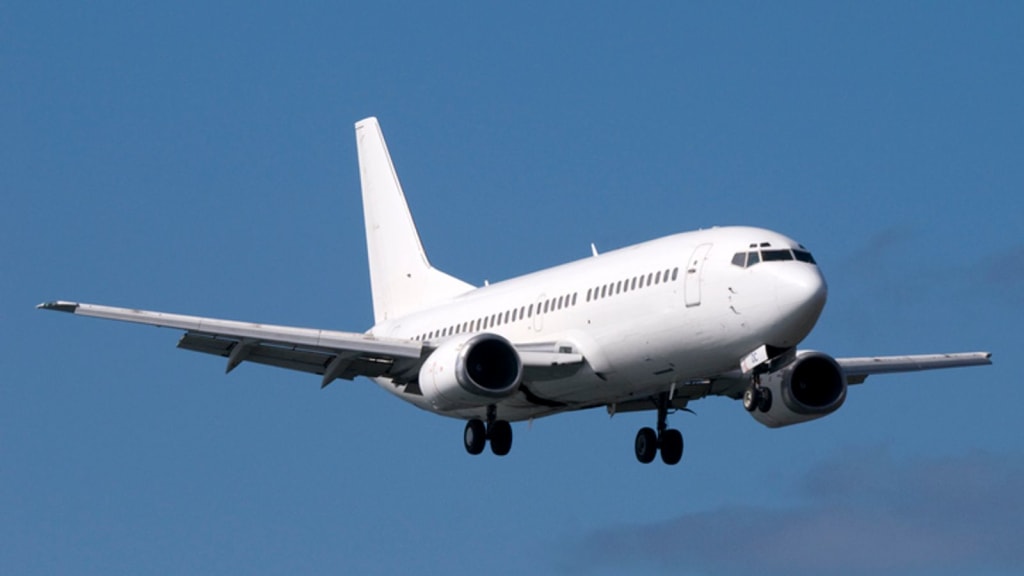
The distribution of COVID-19 vaccines presents immense logistical hurdles. The vaccines have specific temperature requirements and must be transported to isolated and hard-to-reach areas. Additionally, the sudden absence of passenger aircraft due to the pandemic has further complicated the shipping process. Previously, 50% of cargo shipments traveled in the luggage hold of passenger planes, but with their absence, freighter planes have become the primary means of transport.
Inside Lufthansa's Cargo Facility:
Lufthansa Cargo has made significant investments to ensure its facility can handle the demanding task of transporting vaccines. Spread across nearly 110,000 square feet, the facility operates around the clock, employing over 200 highly qualified personnel. With the capacity to load two freighter planes daily, Lufthansa expects to transport between 2 to 10 million vaccines per day through its facility.
Maintaining Temperature Control:
Pharmaceutical shipments require strict temperature control to ensure product integrity. Lufthansa partners with logistics company DB Schenker, which specializes in transporting pharmaceuticals. Temperature-controlled shipments typically fall within the 2 to 8 degrees Celsius range, but some vaccines, like Pfizer's, require storage at ultra-low temperatures of minus 70 degrees Celsius. To meet these requirements, Lufthansa utilizes specialized cooling infrastructure and collaborates with pharmaceutical companies to develop appropriate packaging and containers.
The Role of Lufthansa's Freezer Rooms:
Lufthansa's facility includes specialized rooms designed to store pharmaceuticals at specific temperatures. The PPH (Perishable Passive High temperature) room maintains temperatures between 15 to 25 degrees Celsius, suitable for various shipments. Additionally, the freezer room provides storage at minus 18 degrees Celsius, accommodating vaccines and other frozen goods. For extremely low-temperature requirements, such as Pfizer's vaccine, airlines and freight forwarders invest in mobile coolers using nitrogen.
Ensuring Safety and Compliance:
Maintaining the safety and integrity of the cargo is paramount. Lufthansa's cargo facility is equipped with temperature-controlled storage rooms, reducing the risk of temperature fluctuations. Careful attention is given to potential risks, such as water accumulation on cargo during adverse weather conditions. Additionally, stringent protocols are in place to prevent damage to the aircraft and maintain weight limits for safe operations.
Optimizing Space and Load Planning:
Efficient space utilization is critical when loading vaccines onto planes. Cargo is carefully organized on pallets based on weight, volume, and destination. Each pallet is custom-built to fit the specific position within the aircraft, ensuring maximum space utilization while adhering to weight restrictions. Lufthansa's operations team meticulously plans and coordinates the loading process, resembling a game of Tetris.
Aircraft Selection and Considerations:
Lufthansa operates different types of cargo aircraft, such as the MD-11 and the triple seven (777). While the MD-11 was originally a passenger aircraft converted for cargo use, the triple seven is purpose-built for freight operations. The MD-11's limitations regarding weight distribution and potential tipping pose challenges, while the triple seven offers better fuel efficiency and safety features.
Meeting the Enormous Demand:
The demand for vaccine distribution is unprecedented, with an estimated need for approximately 8,000 freighter flights. However, this demand must coexist with other cargo requirements, including perishable goods, electronics, and more. The competition for limited cargo space poses a significant challenge, especially during the holiday season.
Ensuring Responsiveness and Safety:
Adapting to the evolving situation, Lufthansa Cargo remains committed to accommodating the needs of vaccine transportation. They have implemented stringent health and safety measures, including social distancing, mask mandates, and temperature checks. Lufthansa understands the criticality of vaccine shipments and the responsibility involved in preserving the integrity and safety of the product.
Conclusion:
Shipping millions of vaccine doses worldwide requires meticulous planning, specialized infrastructure, and highly skilled personnel. Lufthansa Cargo, in collaboration with DB Schenker, has taken substantial measures to address the challenges posed by temperature control, load planning, and aircraft selection. As the global community awaits the distribution of COVID-19 vaccines, Lufthansa Cargo's state-of-the-art facility at Chicago O'Hare Airport stands ready to play a vital role in this unprecedented mission.
About the Creator
Keep reading
More stories from Nadula disanayaka and writers in Education and other communities.
The Journey of Visual Processing: Exploring the Marvels of the Visual Cortex
Introduction: In the fascinating realm of neuroscience, understanding how our brain processes information from our surroundings is a captivating endeavor. In this article, we will delve into the intricate process of visual processing, starting from the moment light interacts with our eyes to the interpretation of visual information by the brain. Join us on this journey as we explore the wonders of the visual cortex and the remarkable mechanism of visual transduction.
By Nadula disanayaka3 years ago in Education
Most Sales Deals Fail Because Sellers Talk to the Wrong People
There is a quiet reason many sales conversations feel productive but go nowhere. Everyone leaves the call optimistic. Emails move back and forth. Documents get shared. Then momentum fades. Weeks pass. The deal stalls without a clear explanation.
By Armi Ponsica6 days ago in Education



Comments
There are no comments for this story
Be the first to respond and start the conversation.