

Search engine optimization, or SEO, is a critical component of technology in the modern world. SEO is the process of optimizing web pages and websites so that they rank higher in search engine results pages (SERPs) for specific keywords and phrases. In this article, we will explore the importance of SEO in technology and how it can impact businesses, websites, and individuals.
SEO and Technology
The rise of technology has led to the proliferation of websites and digital content. With so much content available online, it can be difficult for businesses and individuals to stand out from the crowd. SEO helps to address this challenge by optimizing web pages so that they rank higher in SERPs for relevant keywords and phrases.
SEO is essential in technology because it helps businesses and individuals to reach a wider audience. By ranking higher in SERPs, websites and digital content can attract more traffic, which can lead to increased sales, brand awareness, and engagement.
Moreover, SEO has become more important in recent years as more people rely on search engines like Google, Bing, and Yahoo to find information, products, and services. According to a study by HubSpot, 81% of consumers conduct online research before making a purchase. This means that businesses and individuals who do not optimize their websites for search engines may be missing out on potential customers and opportunities.
SEO Techniques and Strategies
SEO techniques and strategies have evolved over time, and what worked a few years ago may not work today. Some common SEO techniques and strategies include:
Keyword Research: Keyword research is the process of identifying the keywords and phrases that people use to search for information, products, and services. This information can then be used to optimize web pages and websites for specific keywords and phrases.
On-Page Optimization: On-page optimization involves optimizing individual web pages for specific keywords and phrases. This includes optimizing meta tags, headings, images, and content.
Off-Page Optimization: Off-page optimization involves optimizing external factors that can impact search engine rankings, such as backlinks, social media shares, and citations.
Content Marketing: Content marketing involves creating high-quality content that is optimized for search engines and targeted at specific audiences. This can include blog posts, articles, infographics, and videos.
Technical SEO: Technical SEO involves optimizing the technical aspects of a website, such as page speed, mobile responsiveness, and site architecture.
Impact of SEO on Businesses
SEO can have a significant impact on businesses, both large and small. By optimizing their websites for search engines, businesses can attract more traffic, which can lead to increased sales and revenue. Additionally, SEO can help businesses to build brand awareness and engage with their target audience.
Moreover, SEO can be a cost-effective marketing strategy for businesses, as it can provide long-term benefits at a relatively low cost. Compared to traditional advertising methods like television, radio, and print, SEO can offer a higher return on investment (ROI) over time.
However, SEO is not a magic solution and requires time, effort, and expertise to produce results. It can take weeks or months to see significant improvements in search engine rankings, and businesses need to be patient and persistent in their efforts.
Impact of SEO on Websites
SEO can also have a significant impact on websites. Websites that are optimized for search engines can attract more traffic and engagement, which can lead to improved user experience and increased conversions.
Additionally, SEO can help websites to rank higher in SERPs for relevant keywords and phrases, which can improve their visibility and credibility online. Websites that rank higher in SERPs are seen as more authoritative and trustworthy, which can lead to increased traffic, engagement, and conversions over time.
However, websites that do not optimize for search engines may struggle to attract traffic and engagement, which can lead to decreased visibility and revenue over time. Moreover, websites that use outdated SEO techniques or engage in black hat SEO practices (such as keyword stuffing, cloaking, and link schemes) may be penalized by search engines, which can lead to lower rankings and decreased traffic.
Impact of SEO on Individuals
SEO can also impact individuals, particularly those who work in digital marketing, web design, and content creation. By having a strong understanding of SEO techniques and strategies, individuals can create high-quality content and websites that are optimized for search engines, which can lead to increased traffic, engagement, and revenue.
Moreover, individuals who are skilled in SEO can be in high demand in the job market. As more businesses and individuals recognize the importance of SEO in technology, the demand for SEO experts is likely to grow in the coming years.
Conclusion
In conclusion, SEO is a critical component of technology in the modern world. By optimizing websites and digital content for search engines, businesses, websites, and individuals can reach a wider audience, improve their visibility and credibility online, and increase their revenue and engagement.
However, SEO is not a magic solution and requires time, effort, and expertise to produce results. Businesses and individuals need to stay up-to-date with the latest SEO techniques and strategies, and engage in ethical practices that comply with search engine guidelines.
As technology continues to evolve, the importance of SEO is likely to grow. By investing in SEO and understanding its impact on businesses, websites, and individuals, we can harness the power of search engines to drive growth and success in the digital age.
About the Creator
Keep reading
More stories from Vishalraj M and writers in Education and other communities.
The Little Library on Maple Street
On a quiet street lined with tall oak trees and painted mailboxes, there was a tiny library that most people didn’t notice. It was called the Maple Street Library, and it was small—just a single room tucked between a bakery and a flower shop. But for anyone who walked through its little glass doors, it was a place where magic happened.
By Waleed khan4 days ago in Education
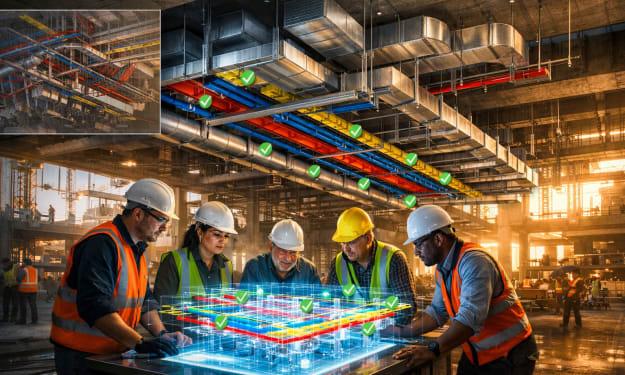
How BIM Improves MEP Coordination for Large-Scale Projects?
In large-scale construction projects—such as hospitals, airports, commercial towers, data centers, and industrial facilities—MEP (Mechanical, Electrical, and Plumbing) systems account for nearly 30–50% of total project cost. Yet, they are also the most coordination-intensive disciplines.
By Matt Sharon4 days ago in Education



Comments
There are no comments for this story
Be the first to respond and start the conversation.