
Self-Driving Cars: Freedom or Fatal Flaw?
Can We Trust AI with Our Lives?

Introduction
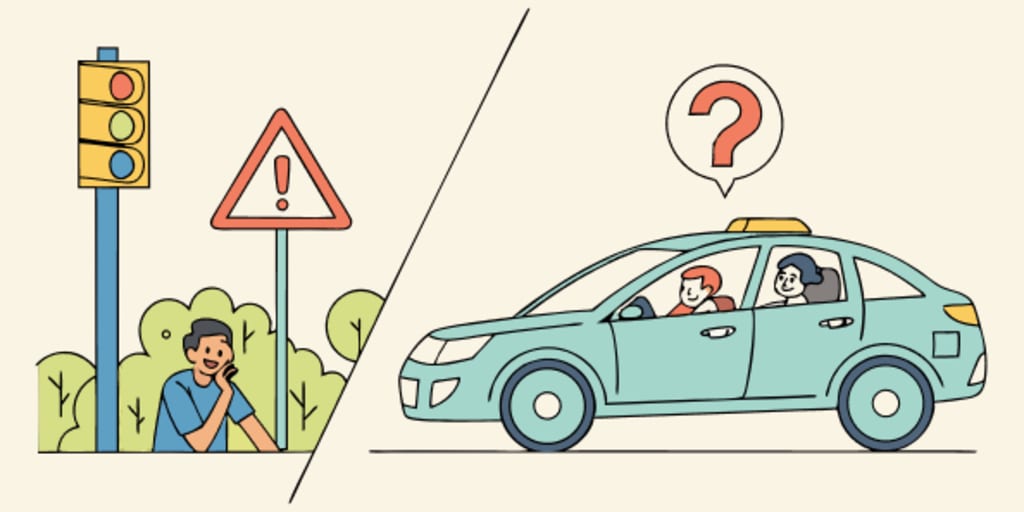
The advent of self-driving cars has sparked intense debate about their safety and reliability. While autonomous vehicles promise to revolutionize transportation by reducing human error and enhancing efficiency, they also introduce complex ethical dilemmas and safety concerns. This article explores the dual nature of self-driving cars, examining their potential benefits and the risks that must be addressed to ensure public trust and safety.
The Promise of Self-Driving Cars
Enhanced Safety
Autonomous vehicles have the potential to significantly reduce accidents caused by human error, which accounts for over 90% of traffic collisions. By eliminating distractions, fatigue, and impaired driving, self-driving cars could make roads safer for everyone.
Efficiency and Accessibility
Self-driving cars promise greater accessibility for individuals who cannot drive, such as the elderly and disabled. They also offer the potential to optimize traffic flow and reduce congestion through intelligent route planning and coordination.
Risks and Limitations
Algorithmic Failures and System Limitations
Despite advancements, self-driving cars are not immune to technical failures. For example, in a 2018 incident, a self-driving Uber vehicle failed to detect a pedestrian, resulting in a fatal accident. This highlights the need for robust fail-safes and continuous improvements in AI systems.
Ethical Dilemmas
Self-driving cars face moral dilemmas in decision-making. For instance, how should a vehicle prioritize between the safety of passengers and pedestrians in unavoidable collision scenarios? These ethical questions challenge the programming of AI systems and raise concerns about accountability.
Human-AI Interaction
The handoff between human drivers and autonomous systems remains a critical challenge. Studies show that humans struggle to maintain alertness when relying on automation, leading to delayed reactions in emergencies. This "handoff problem" underscores the need for clear guidelines on when and how humans should intervene.
Legal and Regulatory Challenges
Liability and Accountability
Determining liability in accidents involving self-driving cars is complex. Current legal frameworks often place responsibility on human drivers, even when system failures are to blame. This creates ambiguity and challenges in holding manufacturers accountable for defects in autonomous systems.
Regulatory Gaps
The rapid evolution of self-driving technology has outpaced regulatory frameworks. Clear standards and regulations are needed to ensure safety, address ethical concerns, and build public trust in these vehicles.
Conclusion
Self-driving cars represent a transformative advancement in transportation, offering significant safety and efficiency benefits. However, their integration into mainstream use requires addressing technical limitations, ethical dilemmas, and regulatory gaps. By fostering transparency, implementing rigorous safety standards, and developing clear legal frameworks, the automotive industry can build trust and pave the way for a future where autonomous vehicles enhance rather than compromise public safety.
Recommended books
Genesis: Artificial Intelligence, Hope, and the Human Spirit
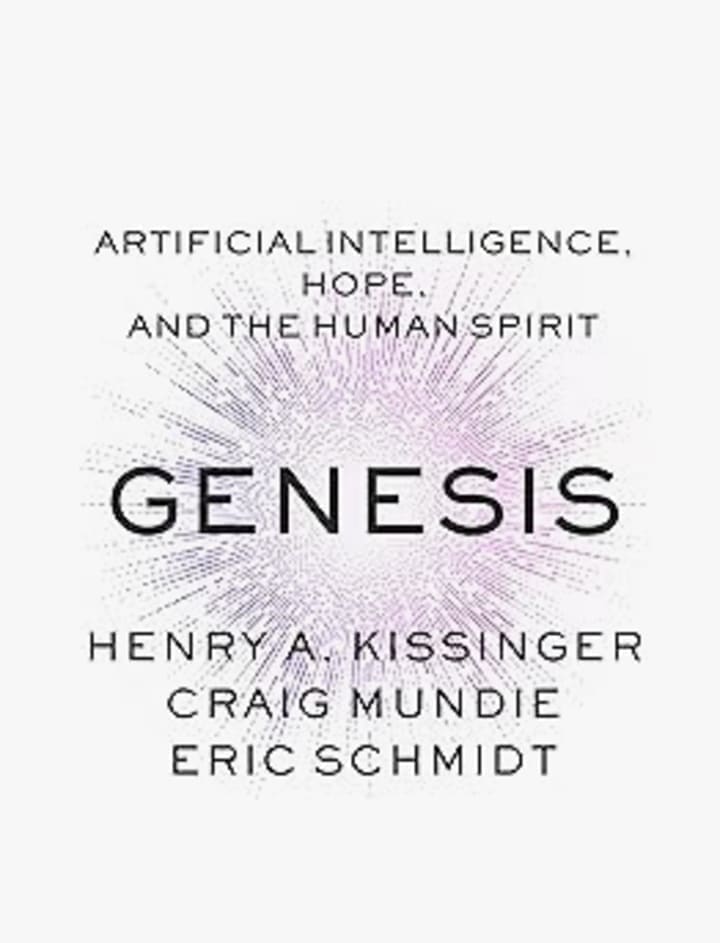
As Artificial Intelligence (AI) becomes more dynamic and ubiquitous, it is dramatically empowering people in all walks of life while also giving rise to urgent questions about the future of humanity—a historic challenge whose contours and consequences are revealed by three eminent thinkers in Genesis.
About the Author: With over a decade of experience as an internet product architect, I’ve spent my career crafting innovative application solutions that bridge technology and real-world needs. Now, as a passionate advocate for artificial intelligence, I focus on exploring its transformative applications. I’m committed to pushing the boundaries of AI to empower lives and shape a smarter future. Join me on this exciting journey as we uncover the endless possibilities of intelligent technology.
About the Creator
roc chiang
I'm a tech enthusiast and entrepreneur based in Vancouver. I share original articles on technology, business and other related topics on social media to showcase my passion and insights.
Editor-in-Chief:fengtou.ca
Keep reading
More stories from roc chiang and writers in Education and other communities.
AI in Entertainment: Creativity or Conformity?
Introduction The integration of artificial intelligence (AI) into the entertainment industry has sparked intense debate about its impact on human creativity. While AI offers unprecedented opportunities for efficiency and innovation, it also raises concerns about whether it might stifle the very essence of human imagination. This article explores the dual nature of AI in entertainment, examining both its potential to enhance creativity and its risks of promoting conformity.
By roc chiang9 months ago in Education
A brief history of alcohol
This chimpanzee stumbles across a windfall of overripe plums. Many of them have split open, drawing him to their intoxicating fruity odor. He gorges himself and begins to experience some… strange effects. This unwitting ape has stumbled on a process that humans will eventually harness to create beer, wine, and other alcoholic drinks. The sugars in overripe fruit attract microscopic organisms known as yeasts. As the yeasts feed on the fruit sugars they produce a compound called ethanol— the type of alcohol in alcoholic beverages.
By Munesh Yadava day ago in Education
The Lean Advantage: How Small Improvements Create Massive Business Wins
In today’s fast-moving market, businesses don’t always need massive overhauls to see major growth. The real competitive advantage often comes from Lean process improvement—small, consistent changes that reduce waste, improve speed, and strengthen customer value. With a proactive approach, companies can spot inefficiencies early, prevent recurring problems, and build smarter systems before minor issues become costly setbacks.
By Duke Valentour2 days ago in Education
Autonomy Is The Real Privilege
Good morning, freedom-seekers! Today we’re gonna be looking at autonomy. A strange word, I know; one many would probably look at blankly and run away from on sight. We’re gonna figure out what it actually means, consider how it’s achieved, and decipher just how deeply most of us are tangled up in dependence without realising it.
By That ‘Freedom’ Guyabout 19 hours ago in Humans




Comments
There are no comments for this story
Be the first to respond and start the conversation.