
Can Social Media Shape a Better Society?
A personal reflection on how responsible digital habits can guide the next generation
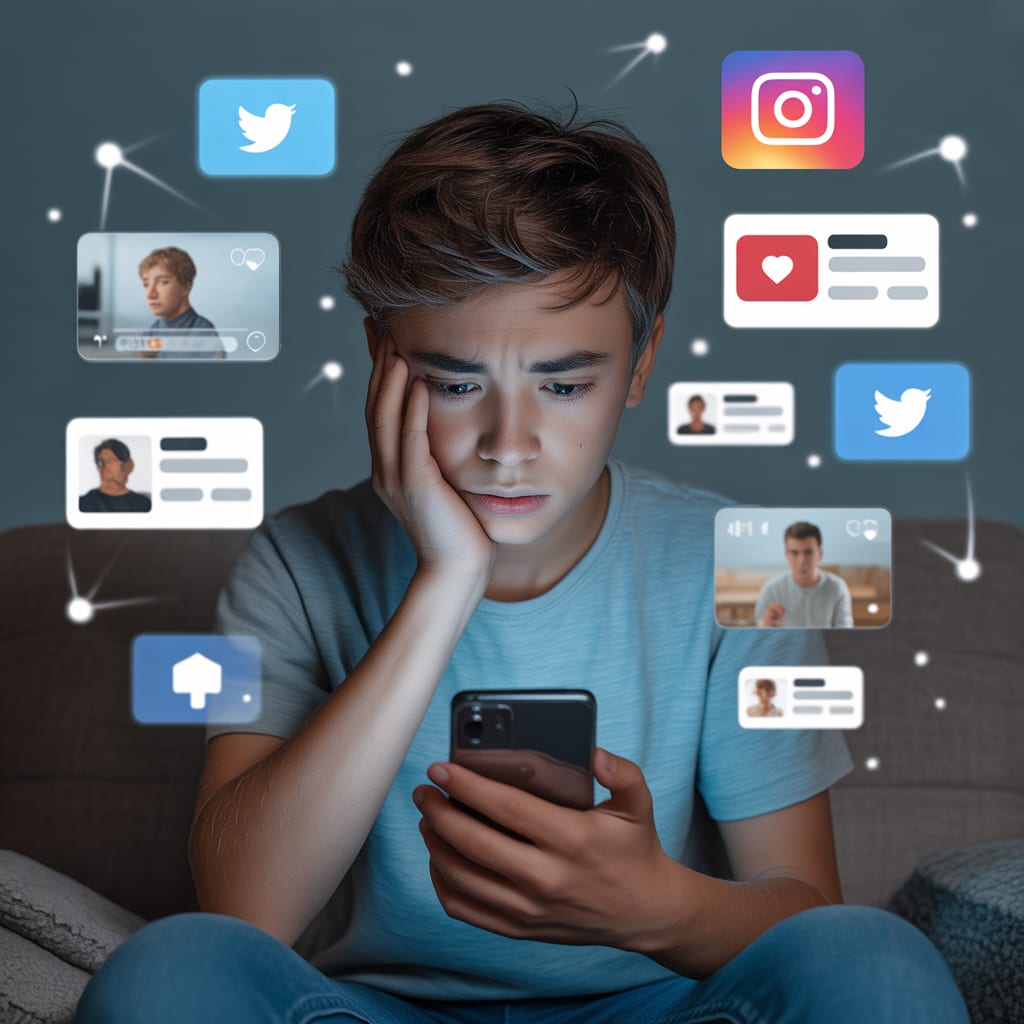
In today’s world, social media has become one of the most influential parts of everyday life. It connects people across countries, cultures, and languages within seconds. News travels quickly, ideas spread widely, and people share their thoughts with audiences they may never meet in person.
However, like any powerful tool, the value of social media depends on how it is used.
In many Asian societies, the use of smartphones and social media platforms has grown rapidly over the past few years. Even in smaller towns and rural areas, young people now spend a large part of their day online. Videos, short clips, live broadcasts, and trending posts attract millions of viewers every day.
At first glance, this may seem like progress. Technology has made communication easier than ever before. But when we look more closely, we begin to notice an important challenge.
A large number of social media users are very young.
Children between the ages of eight and eighteen are now active on various platforms. At this stage in life, their minds are still developing. They are curious and eager to explore the world around them. The things they see and hear during this time often shape their thinking for years to come.
From my own observations, I have noticed that many young users do not fully understand the long-term impact of what they consume online. For many of them, social media is simply a place for entertainment. They watch trending videos, follow online personalities, and spend hours scrolling through content without thinking about how it influences their ideas and goals.
This is where the responsibility of society becomes important.
Content creators hold a powerful position today. A single video can reach thousands or even millions of viewers. When creators focus only on attracting attention, they may unintentionally encourage habits that do not contribute much to learning or personal growth.
Young viewers often see popularity, views, and online fame as signs of success. They begin to believe that gaining attention online is more valuable than developing real knowledge or practical skills.
If this mindset continues to grow, it may affect how the next generation prepares for the future.
Social media also brings other challenges. Misleading information can spread quickly, and online disagreements can sometimes create unnecessary negativity. For young users who are still learning how to navigate the world, this environment can sometimes be confusing.
But this does not mean social media itself is harmful.
In fact, social media has the potential to become one of the greatest educational tools of our time. It allows teachers, experts, and learners to connect across great distances. A student in one part of the world can learn a new skill from someone thousands of miles away.
When used responsibly, these platforms can inspire curiosity, creativity, and learning.
For example, educational videos, skill-based tutorials, and thoughtful discussions can motivate young people to explore new interests. A simple lesson shared online can help someone learn about technology, science, communication, or problem-solving.
In many cases, such content can change someone’s future.
To create this kind of positive environment, cooperation is needed from different parts of society.
Content creators can choose to produce meaningful material that encourages learning and creativity. Instead of following every short-lived trend, they can share knowledge, experiences, and useful ideas that benefit viewers.
Technology professionals and digital safety experts can also contribute by promoting healthier online communities. Reporting harmful behavior, encouraging respectful communication, and supporting positive initiatives can help make digital spaces more welcoming.
Governments and educational institutions can play an important role as well. Promoting digital literacy among young people can help them understand how to use technology wisely. When students learn to think critically about what they see online, they become better prepared to navigate the digital world.
Another important step is making knowledge more accessible. Many useful skills today are taught online. When creators share practical lessons openly, they give thousands of young people the chance to learn something valuable.
Sometimes a short educational video can inspire a teenager to explore a career path they had never considered before.
Moments like these show the true power of technology.
Social media should not simply be a place where time disappears. It can become a space where learning, creativity, and meaningful ideas grow together.
The future of our digital world depends on the choices we make today. If individuals, creators, and institutions all take responsibility, social media can become a powerful force for positive change.
And if we guide younger generations toward thoughtful and responsible use of technology, these platforms may help build a stronger and more informed society.
In the end, social media does not define our future. Our choices do.
About the Creator
Keep reading
More stories from zohaib ahmad and writers in Education and other communities.
The Silence Beneath Winter’s Trees
One December afternoon, I wandered beneath the wintering trees and listened to their quiet voices. Their bare branches trembled in the low, wandering wind. The sound was almost sacred—like the faint brushing of angel wings against some unseen earthly microphone, inviting us to pause and listen.
By zohaib ahmadabout 8 hours ago in Humans
AI in K-12 Education Market to Reach USD 9,178.5 Mn by 2034
The global AI in K-12 education market is witnessing rapid expansion as schools adopt artificial intelligence technologies to improve teaching methods and learning outcomes. The market is projected to grow from USD 391.2 million in 2024 to approximately USD 9,178.5 million by 2034, reflecting a strong 37.1% CAGR during the forecast period. Artificial intelligence is increasingly being integrated into digital classrooms, enabling personalized instruction, automated assessments, and data driven learning insights.
By Roberto Crum8 days ago in Education
How Agile Consulting Drives Innovation and Business Resilience
In today’s fast-paced business environment, companies face the constant challenge of adapting to rapidly evolving market conditions, emerging technologies, and shifting customer expectations. Traditional business models and rigid operational structures often struggle to keep up with this level of change. As a result, organizations are increasingly turning to agile consulting as a strategic approach to remain competitive and resilient.
By Scott Gelbardabout 11 hours ago in Education



Comments
There are no comments for this story
Be the first to respond and start the conversation.