
How are Shop Drawings Used in Bridge Construction?
Shop Drawings: The Blueprint for Building Bridges

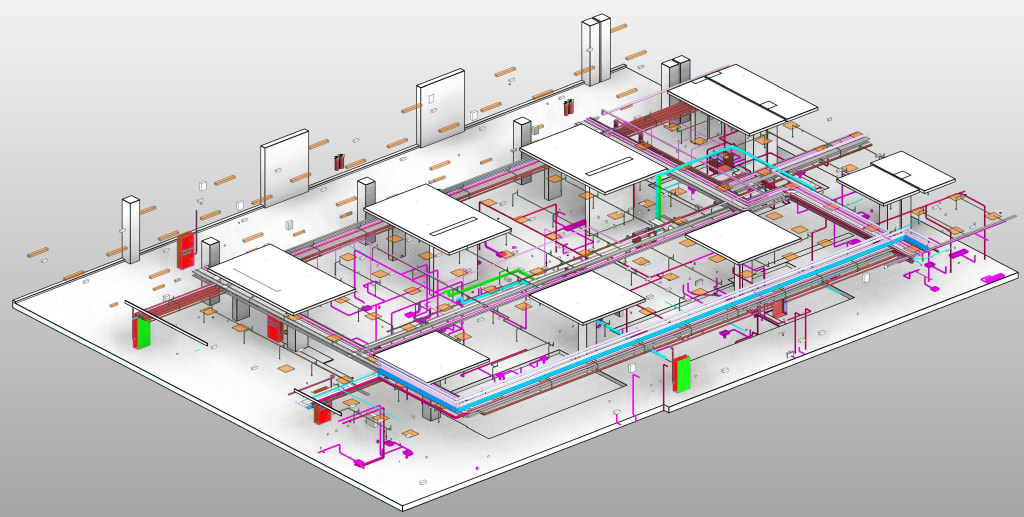
Shop drawings are used in bridge construction to provide detailed instructions to fabricators on how to manufacture the bridge components. They are created from the design drawings, which are produced by engineers to show the overall geometry and design of the bridge.
Shop drawings include information such as:
- Material specifications
- Dimensions
- Fabrication details
- Assembly instructions
- Welding and bolting requirements
- Finishing instructions
Shop drawings are essential for ensuring that the bridge components are fabricated accurately and to the engineer's design specifications. They also help to identify and resolve any potential problems before construction begins.
Here are some specific ways how shop drawings are used in bridge construction:
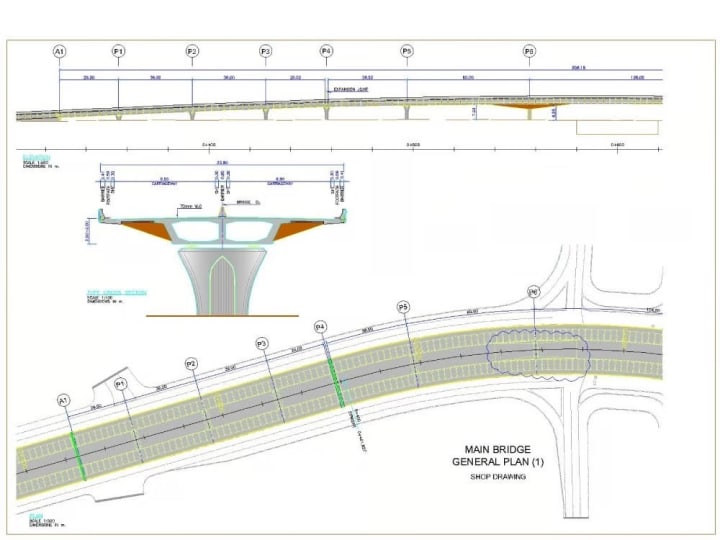
To fabricate the bridge components: Shop drawings provide the fabricator with all the information they need to manufacture the bridge components to the exact specifications, including the type and grade of steel, the dimensions of each component, and the location and type of all welds and bolts.
To assemble the bridge components: Shop drawings also include instructions on how to assemble the bridge components, such as the sequence of operations, the required tools and equipment, and any special considerations.
To inspect the bridge components: Shop drawings are used by inspectors to verify that the bridge components have been fabricated correctly and that they meet the engineer's design specifications.
To erect the bridge: Shop drawings are also used by the contractor to erect the bridge on site. They provide information on the location and orientation of each component, as well as the required sequencing of operations.
Shop drawings are an essential component of the bridge construction process, providing detailed information about the various components and specifications required for the construction of a bridge.
These drawings are typically created by specialized draftspersons or engineers and serve several crucial purposes in the construction of bridges:
Detailed Design Representation: Shop drawings provide a detailed and precise representation of the bridge's components, including beams, girders, abutments, piers, bearings, connections, and other structural elements. These drawings are often more detailed than the original design drawings and include specific dimensions, materials, and tolerances.
Quality Control: Shop drawings help ensure the quality and accuracy of the bridge components. They allow engineers, contractors, and inspectors to verify that the fabricated or precast elements conform to the design and engineering specifications. This can help prevent errors and deviations from the original design.
Fabrication and Manufacturing Guidance: Shop drawings provide instructions to manufacturers and fabricators on how to produce the various bridge components, such as steel girders or concrete segments. They include information on materials, welding details, reinforcing steel placement, and other critical manufacturing processes.
Coordination: Shop drawings facilitate coordination between different trades and contractors involved in the bridge construction project. They help ensure that various components fit together seamlessly, which is essential for the safe and efficient construction of the bridge.
Construction Planning: Contractors use shop drawings to plan the construction process. These drawings help with the sequencing of work, scheduling, and resource allocation, ensuring that the project proceeds smoothly and efficiently.
Compliance and Documentation: Shop drawings are often required by regulatory authorities as part of the approval process for bridge construction. They serve as documentation to demonstrate that the bridge components meet the specified design and safety standards.
Record Keeping: Shop drawings serve as a reference for future maintenance and repairs. They provide a detailed record of the bridge's construction, which can be valuable for maintenance crews and engineers responsible for the bridge's long-term integrity.
Shop drawings play a crucial role in the bridge construction process by providing detailed information, ensuring quality control, guiding fabrication and construction, facilitating coordination, and serving as a valuable source of documentation for the entire project.
They help bridge construction teams bring the design from the drawing board to reality while maintaining safety and quality standards.
Further Reading:
About the Creator
Matt Sharon
A professional content writer. Having years of experience in Technology, health, finance, and construction and real estate field. Writing is my passion and I love to play with words Confidently.
Keep reading
More stories from Matt Sharon and writers in Education and other communities.
Greening the Road: Implementing Effective Green Fleet Strategies for Modern Enterprises
As businesses expand and urban transportation demands increase, companies face growing pressure to adopt environmentally responsible practices. Vehicle fleets, often consisting of delivery trucks, service vans, and company cars, represent a significant portion of operational emissions. Traditional gasoline and diesel-powered fleets contribute to air pollution and increased fuel costs, making sustainability a pressing concern for modern enterprises. To address these challenges, many organizations are turning to green fleet solutions that combine cleaner energy sources, improved efficiency, and technology-driven operations.
By Gary S Winemasterabout 19 hours ago in Education
EdTech and Smart Classroom Market to Attain USD 498.5 Billion by 2032
The Global EdTech and Smart Classroom Market presents a substantial long-term opportunity, expected to scale from USD 146.8 billion in 2023 to USD 498.5 billion by 2032. With a projected CAGR of 15%, the market is benefiting from increasing investments in digital curriculum platforms, AR/VR-enabled learning, AI-driven assessment systems, and connected classroom ecosystems.
By Roberto Crum8 days ago in Education




Comments
There are no comments for this story
Be the first to respond and start the conversation.