
Roadworthy Checks: What You Should Know
Understanding Roadworthy Checks
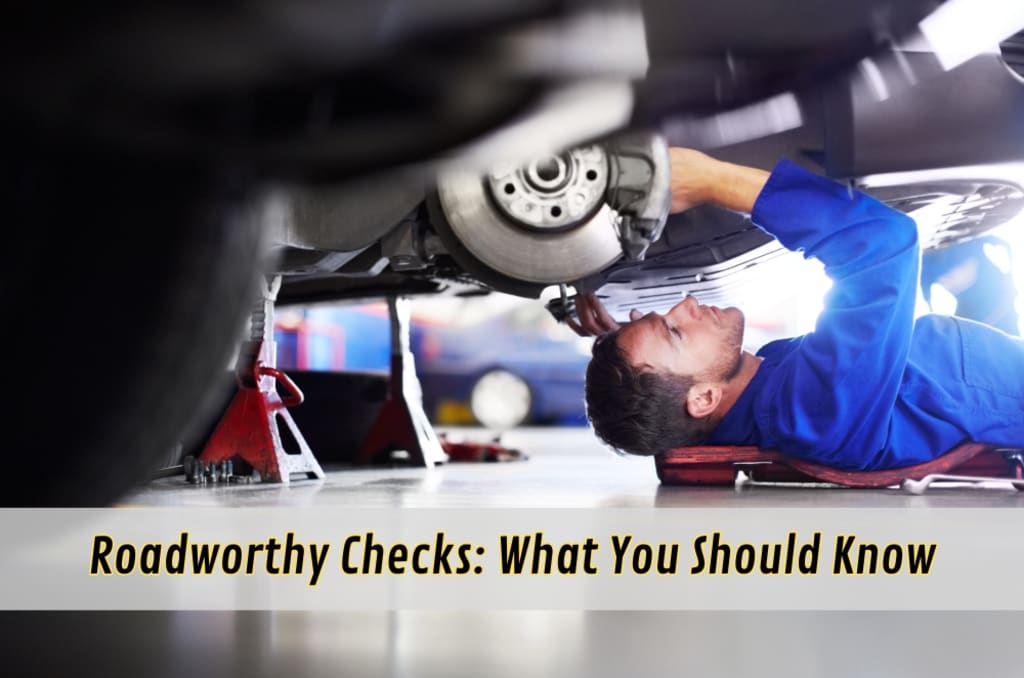
If you're about to sell or transfer ownership of your car in Victoria, a roadworthy certificate issue is paramount among the essential steps involved in the process. Also known as a Victoria roadworthiness inspection, such a certificate ensures that your vehicle meets basic safety and environmental standards. The roadworthy certificate checks your car for main components and shows that they function correctly so that driving would be safe for you and other road users.
The outline below provides steps for everything you need to know, starting with the certificate and continuing with instructions on how you can prepare your vehicle for inspection.
What is a roadworthy certificate?
The roadworthy certificate is a certificate from a government that determines whether a particular motor vehicle is fit to be on Australian roads after undergoing some tests. The roadworthiness inspection also includes the safety checks of some of those components crucial to the car, such as the brakes, steering and tyres and must be done by a licensed vehicle tester. However, in Victoria specifically, you need a roadworthy certificate before selling or transferring the car; otherwise, you risk facing such fines, among other legal consequences.
They are intended to secure vehicles on the road by meeting minimum safety standards that would decrease the rate of accidents due to mechanical failure. They do not perform comprehensive checks on every vehicle's components but focus on the key aspects that directly involve safety issues and compliance with environmental requirements.
Why are roadworthy checks necessary?
The essence of roadworthy checks is that the roads are clear from hazardous vehicles, which in turn may cause harm to other users. Here are some of the many reasons why these checks are genuinely indispensable:
- Safety first: A roadworthy certificate is a certificate from a government-licensed vehicle testing station that your vehicle is fit to be driven. A roadworthy check reduces the risk of a road accident because the primary components of a car, such as the brakes, steering, and tyres, are certified to be in good shape. Knowing your vehicle meets these minimum requirements should make you feel better inside; this will protect you and contribute to other road users' safety.
- Legal requirements: In Victoria, a certificate of roadworthiness is required to sell or transfer the ownership of any vehicle. Failure to obtain one could result in fines and more serious legal implications. Additionally, not all insurance companies will cover you in an accident if your vehicle does not meet the roadworthiness requirement; this may also place you at further financial risk.
- Resale value: A valid roadworthy certificate will add some reasonable value to your vehicle's value. Any buyer will be more likely to invest in your car with guaranteed safety. Essentially, a roadworthiness certificate ensures that they purchase a reliable vehicle, hence an excellent selling point.
What does a roadworthy check involve?
Roadworthy inspection is a procedure for closely checking several components to ensure the vehicle is road-ready. In considering the main points during the check, the following are taken into account:
- Body: The bodywork will be inspected for structural damage, rust, and corrosion that may threaten the vehicle's safety. They will check that all doors are open and shut, the bonnet and boot latch on well, and the mirrors and windows are intact.
- Brakes: All the constituents involved in the braking system, including pads, disks, and callipers, are checked for efficiency. The brakes are among the key components concerning highway safety; hence, the slightest trace of wear or damage would mean failure to pass the inspection.
- Steering: The response and safety of the vehicle's steering are examined. Checking also involves the steering wheel, column, rack, and linkages. A loose or defective steering mechanism may be very dangerous. Tyres: Tyres will be checked for tread depth, pressure, and general condition. Insufficient tread or damage could result in the loss of traction, particularly on wet roadways, and even blowouts.
- Lights: All light components, from headlights to tail lights, brake lights, and indicators, will be checked. A lighting check is so essential because proper lighting is vital for visibility for the driver and other road users.
- Windscreen and windows: The windshield is checked for cracks, chips, or other damage that impair the driver's view. Windows, too, are a point of concern, and tinting on them should be to the relevant standard provided by the law.
- Seatbelts: Seat belts are checked to confirm that they are available, not degraded and functioning correctly. Poor or faulty seat belts are essential safety aspects in a car that can lead to a vehicle failing a test.
- Exhaust system: The exhaust system is also inspected for cracks, rust, or any noise it may produce. If the emission level is high, then it is dangerous to the environment or makes a lot of noise.
- Engine and transmission: These are only sometimes included in the primary inspection, but an overview may be carried out. This would flag serious oil leaks, worn hoses, or problems related to transmission.
Preparing Your Vehicle for a Roadworthy Check
It will be easier to get your car through with some preparation to correct possible faults. Here's how you can prepare:
- Essential maintenance: Regular vehicle maintenance is a must. Keep your vehicle updated with oil changes, fluid levels, and all other forms of necessary servicing. Not only does good maintenance increase your chances of passing, but it also extends the life of your car.
- Address minor issues: Before the inspection, consider small ones such as broken lights, worn wiper blades, or faulty indicators. Such repairs are pretty cheap, but they make a significant difference in getting your vehicle to pass the roadworthy check.
- Professional pre-inspection: Consider a pre-roadworthy inspection from a qualified mechanic. They can locate potential problems and advise you of the repairs that need to be made. This may save you time and money because if the mechanic locates issues that would make the vehicle fail the roadworthy check, it may be cheaper to get them fixed before paying to have the check done.
Final thoughts on roadworthy checks
The most important thing you can do if you sell or transfer your car's ownership in Victoria is to obtain a roadworthy certificate. It is legally required, and it gives you the chance to be positive that your vehicle is safe and reliable. Understanding the process of a roadworthy check and its essential components to get your car ready for inspection can save you time and hassle.
About the Creator
Keep reading
More stories from Michael Virael and writers in Education and other communities.
Tired Of Squeaky Seats? Discover The Best Solution
Let’s face it: nothing is as annoying as the eternal squeaking of a bus seat that has gone through wear and tear. It is more than just a mere inconvenience; a squeaking seat can transform an ordinarily smooth ride into an uncomfortable and stressful trip for passengers. The noise is embarrassing and may signal more hidden severe problems that could eventually affect passenger safety. For example, suppose you are a fleet manager or a bus operator tired of squeaky seats. In that case, this is your stop to explore practical solutions from reliable bus seat providers Australia offers that genuinely work.
By Michael Viraelabout a year ago in Families
The World’s Safest Countries: Where Doors Stay Unlocked and Police Rarely Carry Guns
In many parts of the world, locking doors, installing security cameras, and relying on heavily armed police forces are everyday realities. However, there are a few countries where life feels very different. In these places, crime rates are extremely low, communities are tightly connected, and trust among citizens is remarkably high. As a result, people often leave their doors unlocked, and in some cases, police officers patrol the streets without carrying firearms.
By Irshad Abbasi 6 days ago in Education
Foreclosure vs. Short Sale: 7 Key Differences Every Real Estate Pro MUST Know
You are driving through a target neighborhood and spot a classic "diamond in the rough." The lawn is overgrown, mail is spilling out of the box, and the shutters are hanging by a thread. To the untrained eye, it is just a neglected house. To a seasoned real estate professional, it is a potential high-margin opportunity.
By REI Data Solutionsabout 13 hours ago in Education
📢 Raise Your Voice Thread: 03/05/2026
Our “Raise Your Voice Threads” are hosted most alternating Thursdays at 12PM ET to offer creators more avenues to uncover exceptional stories on Vocal. As we are continuously searching for fresh creators and inspiring stories, this thread provides an opportunity to exchange and discuss the stories that have moved and motivated us on Vocal.
By Raise Your Voice by Vocal6 days ago in Resources




Comments
There are no comments for this story
Be the first to respond and start the conversation.