
Rebuilding Tomorrow: How Rehabilitation Transforms the Lives of Former Child Soldiers
Restoring dignity, healing trauma, and giving former child soldiers the chance to dream again.


More Than Survivors
Former child soldiers are often portrayed only as victims of war. While their suffering is undeniable, their resilience is equally powerful. Rehabilitation programs aren’t just about rescuing them from the past—they’re about unlocking futures where these children can thrive as students, neighbors, and leaders. They are more than what war made them, and that truth drives every effort to rebuild.
The Importance of Immediate Care
When children are first released from armed groups, their basic needs must be met quickly. Many arrive malnourished, exhausted, or injured. Shelters and transit centers provide a first layer of care: food, clean water, medical attention, and a safe bed. In South Sudan, aid workers describe how something as simple as a warm meal can begin to rebuild trust in a world that has long felt hostile.
Addressing the Wounds You Can’t See
Not all injuries are visible. Former child soldiers carry trauma that lingers long after the fighting stops. Nightmares, flashbacks, and guilt often haunt them. Psychosocial support through therapy, group discussions, and creative expression is essential. In Uganda, drama workshops allowed children to act out their fears and hopes, helping them process trauma in ways words alone could not.
Relearning Childhood Through Play
For many, the idea of play feels foreign after years of violence. Yet play is one of the most healing tools in rehabilitation. Simple activities—football matches, music, or crafts—reintroduce joy and laughter. In Sierra Leone, children who once marched in formation now run freely across playing fields, rediscovering what it means to be young and carefree.
Education as a Doorway to Opportunity
Missed years of schooling make reintegration especially challenging. Rehabilitation programs often run accelerated classes so children can catch up quickly. Others focus on practical skills like agriculture, tailoring, or carpentry. A girl in Liberia, once forced into armed groups, now dreams of becoming a teacher after completing an education program. Education doesn’t just replace what was lost—it creates new possibilities.
Family Bonds and the Struggle for Acceptance
Returning home is one of the most delicate steps in the journey. Some families welcome children with open arms, while others fear or reject them due to their time in armed groups. Community-led reconciliation ceremonies, often guided by local traditions, help smooth this process. In the Democratic Republic of Congo, symbolic rituals of cleansing and blessing have helped families embrace children again, reducing stigma and strengthening bonds.
Skills That Protect Against Re-Recruitment
Without livelihoods, former child soldiers face the risk of being pulled back into conflict. Training programs that teach trades or small business skills offer alternatives. In northern Uganda, many rehabilitation centers equip children with farming tools and training, allowing them to earn a living while contributing to their communities. Economic stability creates resilience, helping them resist the lure of armed groups.
Hope as the Final Measure of Success
The ultimate goal of rehabilitation is not just survival but hope. When a child begins to plan for the future—to dream of becoming a doctor, farmer, or parent—that’s when the program has succeeded. Each success story is proof that even in the shadow of war, there is room for healing and growth. Rehabilitation gives children more than a new life—it restores the right to imagine a tomorrow filled with peace.
About the Creator
Chet Lowe
Chet Lowe is a pastor and missionary whose life reflects decades of global service, discipleship, and a deep commitment to faith, family, and community outreach.
Digital Signage Solutions Supporting Communication in Schools
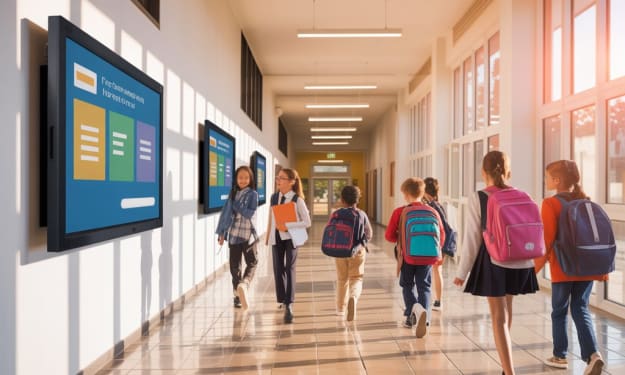
I still remember the chaos of my first week as a communications coordinator at a mid-sized university. Between emergency alerts that never reached students, event posters peeling off bulletin boards, and faculty members who couldn't find the right room for meetings, I realized our campus communication system was stuck in the 1990s. That experience changed how I think about information flow in educational settings.
By Jerry Kane 6 days ago in Education
SEO Education: 5 Steps to Start a Career in SEO
Is SEO still worth learning? Where should you start? It’s a fair question. And it comes up almost daily. Google updates feel constant. AI shows up directly in search results. Advice from three years ago already looks shaky. For someone new, SEO can feel unstable, maybe even risky as a career bet.
By Iryna Podliesna7 days ago in Education



Comments