
Pros and Cons of using Ai
what you didnt know about Ai

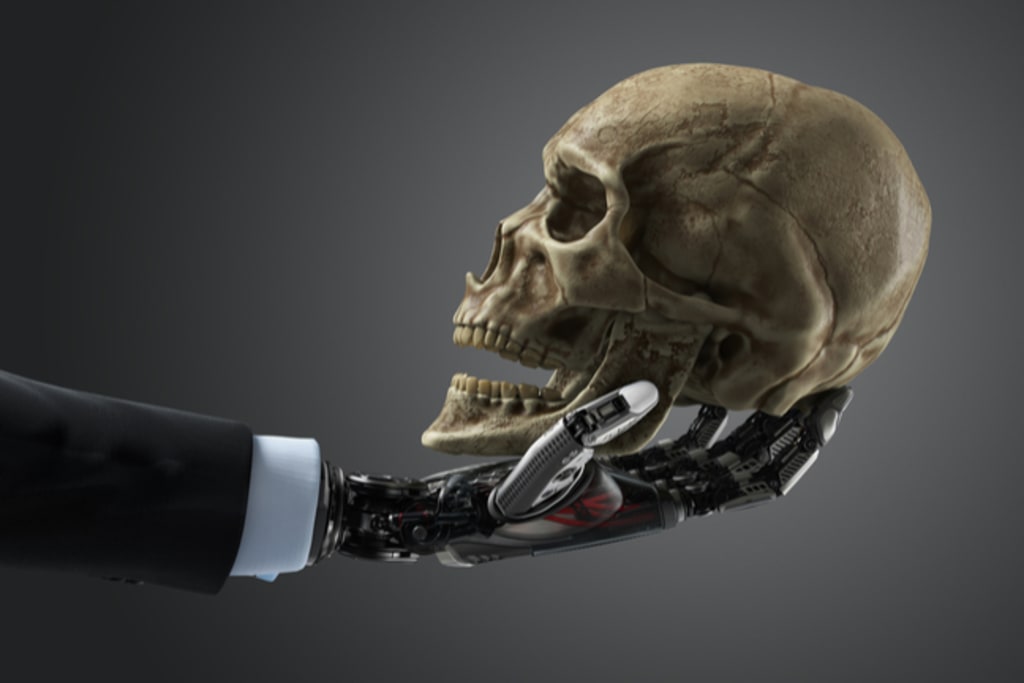
The Pros and Cons of Relying on Artificial Intelligence
Artificial Intelligence (AI) is a rapidly advancing technology that is changing the way we live and work. It has the potential to transform every aspect of our lives, from the way we communicate and learn to the way we work and play. However, as with any technological innovation, there are pros and cons to relying on AI. In this blog post, we'll explore both the benefits and drawbacks of relying on AI.
Pros of Relying on Artificial Intelligence:
Efficiency and Speed:
One of the main benefits of AI is its ability to process vast amounts of data quickly and efficiently. For example, an AI-powered customer service chatbot can answer multiple customer queries at the same time, without getting tired or needing a break. Similarly, AI-powered automation tools can perform repetitive and time-consuming tasks quickly and accurately, freeing up time for humans to focus on more complex and creative work.
Improved Accuracy and Precision:
AI algorithms are designed to analyze data and identify patterns and correlations that humans may miss. This can lead to improved accuracy and precision in a variety of fields, from medical diagnosis and treatment to financial forecasting and risk management. AI can also help detect fraud and errors more effectively than humans, which can save businesses and individuals time and money.
Personalization:
AI-powered systems can use data analysis to create personalized experiences for individuals. For example, AI-powered recommendation engines can suggest products and services that are tailored to a user's preferences and behavior. This can improve customer satisfaction and loyalty, as users feel understood and valued by the system.
Improved Safety:
AI can be used to improve safety in a variety of ways. For example, self-driving cars powered by AI can reduce the risk of human error in driving, leading to fewer accidents and fatalities. Similarly, AI-powered predictive maintenance can help identify and fix potential safety issues in industrial settings before they cause harm to workers or equipment.
Cons of Relying on Artificial Intelligence:
Lack of Creativity:
While AI can process and analyze data quickly and accurately, it is not capable of creativity and imagination. This can limit its usefulness in fields that require innovation and new ideas, such as art, literature, and music. Additionally, relying too heavily on AI-generated content can lead to a lack of diversity and originality in creative works.
Job Displacement:
AI has the potential to automate many jobs, leading to job displacement for humans. For example, automated customer service chatbots can replace human customer service representatives, while automated manufacturing systems can replace human factory workers. This can lead to economic and social disruption, as humans are forced to find new employment opportunities or retrain for new skills.
Bias and Discrimination:
AI algorithms are only as unbiased as the data they are trained on. If the training data contains biases or discrimination, the AI system will also exhibit those biases and discrimination. This can lead to unfair and discriminatory outcomes, such as AI-powered hiring systems that favor one gender or race over another.
Lack of Human Connection:
While AI can provide quick and efficient solutions, it lacks the emotional connection and empathy that comes from interacting with other humans. This can be particularly important in fields such as healthcare, where human connection and empathy are critical to patient care and well-being.
Security Risks:
AI systems can be vulnerable to hacking and cyberattacks, which can lead to data breaches and other security risks. Additionally, as AI systems become more integrated into our daily lives, they may become targets for cybercriminals seeking to disrupt and control critical systems.
Conclusion:
AI is a powerful and transformative technology that has the potential to revolutionize the way we live and work. However, as with any technology, there are pros and cons to relying on AI. It is important to weigh the benefits and drawbacks of AI carefully and to ensure that its implementation is responsible and ethical.
To maximize the benefits of AI while minimizing the risks, it is crucial to invest in human oversight and regulation. AI systems should be designed to be transparent and explainable, so that humans can understand how they work and identify and address any biases or errors. Additionally, there should be human oversight and intervention in critical decision-making processes, such as in healthcare or financial services.
It is also important to invest in education and training programs that equip humans with the skills and knowledge they need to work alongside AI systems. This includes not only technical skills related to programming and data analysis but also soft skills related to creativity, critical thinking, and communication.
In conclusion, the pros and cons of relying on AI are complex and multifaceted. While AI has the potential to improve efficiency, accuracy, and personalization in many areas, it can also lead to job displacement, bias, and a lack of human connection. By investing in responsible and ethical AI implementation, human oversight and regulation, and education and training programs, we can maximize the benefits of AI while minimizing its risks.
About the Creator
Keep reading
More stories from simon mogashoa and writers in Education and other communities.
How to deal with a cancer diagnosis
A cancer diagnosis can be one of the most difficult experiences someone can face. It can feel overwhelming, scary, and uncertain. However, it is possible to navigate this experience with grace and strength. In this blog post, we will explore some tips on how to deal with a cancer diagnosis.
By simon mogashoa3 years ago in Education
Why Understanding the Problem Matters More Than the Stack
Modern software development places extraordinary emphasis on tools. New frameworks promise productivity, new languages promise safety, new architectures promise scale. Engineers debate stacks with near-ideological intensity. Yet many of the most expensive failures in software have nothing to do with poor technology choices. They stem from something more fundamental: a shallow understanding of the problem being solved.
By Gustavo Woltmann7 days ago in Education



Comments
There are no comments for this story
Be the first to respond and start the conversation.