
Poverty: A Global Struggle for Human Dignity and Social Justice
Poverty

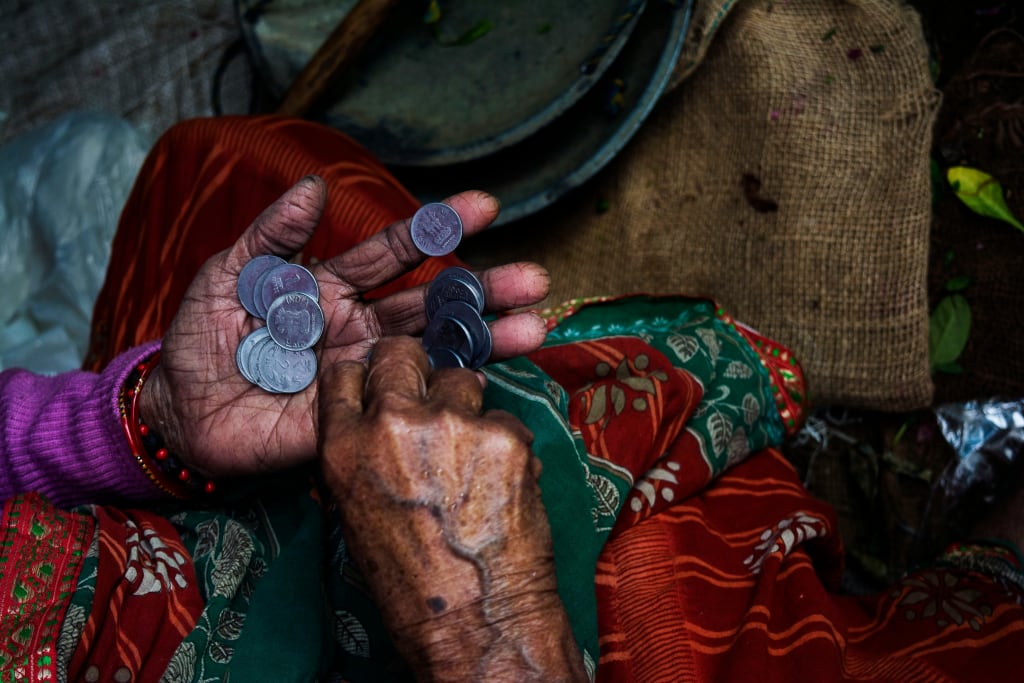
Poverty: A Global Struggle for Human Dignity and Social Justice
In the midst of wealth and abundance, poverty remains a stark reality for millions around the world, undermining human dignity and perpetuating cycles of deprivation. Defined not only by economic insufficiency but also by limited access to basic necessities, healthcare, education, and opportunities, poverty casts a long shadow over individuals, families, and entire communities. Understanding the multifaceted nature of poverty, its causes, consequences, and the imperative for concerted action is crucial in addressing this pressing global issue.
Understanding Poverty
Poverty manifests in various forms and degrees across different regions and contexts. It encompasses absolute poverty, where individuals lack the means to meet basic survival needs such as food, shelter, and clothing. Relative poverty refers to disparities in income and living standards within societies, where individuals experience social exclusion and limited access to opportunities for advancement. Poverty also intersects with factors such as gender, ethnicity, disability, and geographical location, exacerbating inequalities and perpetuating marginalization.
Causes of Poverty
The root causes of poverty are complex and interconnected, shaped by a combination of economic, social, political, and environmental factors. Persistent factors include:
1. Lack of Access to Education: Limited educational opportunities trap individuals in intergenerational cycles of poverty, hindering their ability to acquire skills and secure stable employment.
2. Inadequate Healthcare: Poor health and limited access to healthcare services contribute to productivity losses, increased medical expenses, and reduced quality of life for impoverished communities.
3. Economic Inequality: Disparities in income distribution and wealth accumulation perpetuate social stratification, limiting opportunities for upward mobility and exacerbating poverty levels.
4.Unemployment and Underemployment: Structural economic challenges, including job scarcity, informal labor markets, and unequal access to employment opportunities, contribute to persistent poverty rates.
Consequences of Poverty
The consequences of poverty extend beyond economic hardship to encompass broader social, health, and developmental impacts. Individuals living in poverty face heightened risks of malnutrition, disease, and inadequate housing conditions. Children from impoverished backgrounds are more likely to experience stunted growth, developmental delays, and reduced access to educational opportunities, perpetuating cycles of poverty across generations. Social exclusion, discrimination, and limited political participation further marginalize vulnerable populations, impeding efforts to achieve social justice and inclusive development
Addressing Poverty: A Call to Action
Effectively addressing poverty requires a comprehensive and integrated approach that addresses its structural causes while promoting inclusive growth and social protection. Key strategies include:
1. Investing in Education: Ensuring equitable access to quality education and vocational training opportunities to enhance skills development and empower individuals to escape poverty.
2. Promoting Economic Opportunities: Fostering inclusive economic growth through job creation, entrepreneurship support, and access to financial services for marginalized communities.
3. Enhancing Healthcare Access: Strengthening healthcare systems and expanding coverage to ensure universal access to essential health services, including preventive care and treatment.
4. Social Protection Measure: Implementing social safety nets, such as cash transfers, food assistance programs, and healthcare subsidies, to support vulnerable populations during times of economic hardship.
5. Empowering Communities: Promoting participatory approaches that empower communities to advocate for their rights, access resources, and participate in decision-making processes that affect their lives.
Conclusion
In conclusion, poverty persists as a global challenge that demands collective action and commitment to promote human dignity, social justice, and sustainable development. By addressing the root causes of poverty, expanding access to opportunities, and strengthening social safety nets, societies can foster inclusive growth and create pathways for individuals and communities to break free from the cycle of poverty. Embracing a holistic approach that integrates economic, social, and environmental dimensions is essential in building resilient and equitable societies where every individual has the opportunity to thrive and contribute to shared prosperity.
About the Creator
Bright Future
Bright Future Is an official blog of professional developers. Here You will learn about Insurance daily. So, Join with Us
Keep reading
More stories from Bright Future and writers in Education and other communities.
Understanding Cybersecurity: Protecting Against Evolving Threats
Understanding Cybersecurity: Protecting Against Evolving Threats In today's interconnected digital landscape, cybersecurity has become paramount to safeguarding individuals, organizations, and nations from an array of sophisticated cyber threats. These threats, ranging from data breaches and ransomware attacks to phishing scams and identity theft, underscore the critical need for comprehensive cybersecurity measures. Understanding the types and components of cybersecurity is essential for developing effective strategies to mitigate risks and protect sensitive information.
By Bright Future9 months ago in Education
How Social Media Helps Small Businesses Grow Faster
Small businesses need smart ways to grow without large budgets. Social media offers one of the fastest and most affordable paths. When used well, it helps small brands reach new customers, build trust, and drive steady sales. Growth that once took years can now happen in months.
By Michael Kazma6 days ago in Education
Prevention First: How Proactive Medical Care Builds Stronger Communities
Preventive medical care plays a critical role in shaping healthier communities. When people receive care before illness develops, they avoid many severe conditions. This approach improves quality of life and reduces strain on healthcare systems. Moreover, prevention supports long-term wellness rather than short-term treatment. Communities that prioritize preventive care experience lower rates of chronic disease. As a result, individuals remain active and productive. Preventive care, therefore, serves as the foundation for sustainable public health.
By St. John's Community Health2 days ago in Education



Comments
There are no comments for this story
Be the first to respond and start the conversation.