

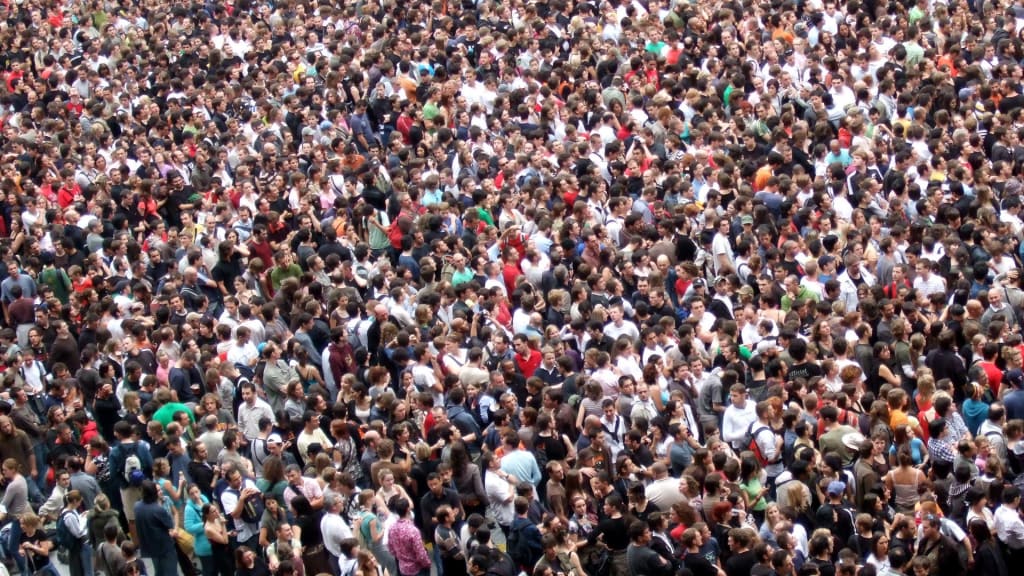
Worldwide Population Trends:
According to the United Nations, the world's population was estimated to be around 7.8 billion people in 2020. The global population has been increasing steadily since the 1950s and is projected to reach 9.7 billion by 2050. However, population growth rates have been declining over time, and some countries are even experiencing population decline.
India Population Trends:
India is the second-most populous country in the world, with a population of approximately 1.366 billion people as of 2020. India's population has been increasing rapidly since the 1950s, and it is projected to surpass China's population by 2027. However, India's population growth rate has been declining over time, and it is expected to stabilize in the coming decades.
Past Population Trends:
Before the industrial revolution, population growth was slow, and populations were largely stable due to high mortality rates, particularly among children. However, with improvements in healthcare, nutrition, and sanitation, mortality rates have declined, and birth rates have remained high, leading to rapid population growth in the 20th century.
Present Population Trends:
Today, population growth rates are declining due to various factors such as increased access to education, family planning, and urbanization. However, some regions and countries still have high fertility rates and rapid population growth, while others are experiencing population decline due to low fertility rates and aging populations.
Future Population Trends:
Population projections suggest that global population growth will continue to slow down in the future, with many countries experiencing population decline. By 2100, the global population is projected to reach 10.9 billion. In India, population growth is expected to stabilize in the coming decades, with the population peaking at around 1.7 billion by 2060 before gradually declining.
Populations of the 20th Century

Telut
Th period from 1900 to 2000 saw significant changes in the world's population. In 1900, the estimated global population was around 1.6 billion, and by 2000, it had reached 6.1 billion. This represents a more than three-fold increase in population over the course of the century.
Some of the major factors contributing to this population growth included advancements in medicine and public health, improvements in nutrition and living conditions, and the global spread of industrialization and economic development.
During the first half of the 20th century, there were two world wars, which had a significant impact on global population growth. The First World War, from 1914 to 1918, resulted in an estimated 8.5 million deaths, and the Second World War, from 1939 to 1945, caused an estimated 70 million deaths, including civilians and military personnel. The war also led to displacement and migration of people across the world, affecting population demographics.
The period also saw significant changes in global fertility rates. In the early part of the century, birth rates were high in many countries, but these rates started declining as countries became more developed and access to birth control improved. By the end of the century, many countries were facing the issue of an aging population and a declining birth rate.
The global population growth during this period was not evenly distributed, with some regions experiencing much faster growth than others. Asia, in particular, saw a significant increase in population, with China and India accounting for a significant portion of this growth.
Overall, the 20th century saw significant changes in the world's population, with advancements in medicine and public health leading to longer life expectancies and higher population growth rates, while economic development and changing social attitudes led to declining birth rates in many countries.
World 1 st palce population is chaina about 141 crore and 2 nd largest population is 140 population 3 rd largest population is Usa


Comments
There are no comments for this story
Be the first to respond and start the conversation.