
No Wings Required
Five Careers in Aviation for Non-Pilots


Aviation is often synonymous with flying, and for many, the ultimate dream is to become a pilot. However, the aviation industry is vast and offers an array of rewarding career paths that don’t require a pilot’s license. If you’re passionate about aviation but don’t see yourself behind the controls of an aircraft, here are five exciting careers that could be your gateway to the skies — without needing wings of your own.
1. Aircraft Maintenance Engineer
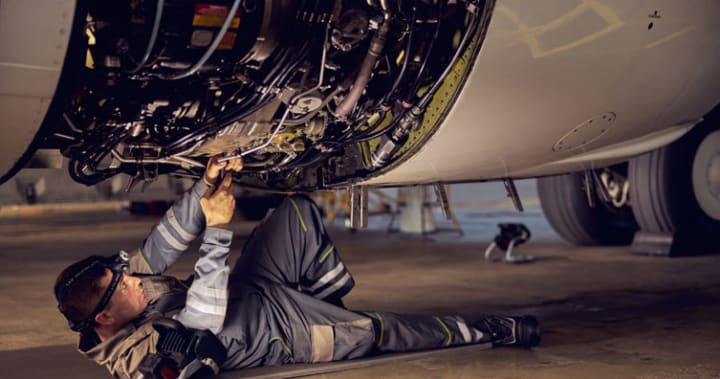
Aircraft maintenance engineers play a critical role in ensuring the safety and performance of airplanes. They are responsible for inspecting, repairing, and maintaining the mechanical and electrical systems on aircraft, ensuring everything from the landing gear to the avionics operates flawlessly.
There are two main specializations within this role: mechanics and avionics. Mechanics focus on the structural aspects of an aircraft, such as engines, fuselage, and hydraulics. Avionics engineers, on the other hand, work with the electronic systems, including navigation, communication, and flight control systems.
Becoming an aircraft maintenance engineer requires rigorous training and obtaining certifications from aviation authorities such as the Civil Aviation Authority (CAA) or the Federal Aviation Administration (FAA). It's a hands-on, detail-oriented career perfect for those with a love for problem-solving, technology, and ensuring the safety of air travel.
2. Air Traffic Controller

While pilots guide the plane, air traffic controllers guide the sky. These professionals manage the safe and efficient movement of aircraft both on the ground and in the air, ensuring planes take off, land, and travel through controlled airspace without incident.
There are three main types of air traffic controllers:
Area controllers monitor flights as they cross through different sectors of airspace.
Approach controllers guide planes as they near airports, preparing them for landing.
Aerodrome controllers, stationed in the control tower, oversee take-offs, landings, and taxiing on the runway.
This role requires excellent concentration, quick decision-making skills, and the ability to work in high-pressure environments. Becoming an air traffic controller typically involves specialized training programs and certification through national aviation bodies.
3. Aviation Safety Inspector

Aviation safety inspectors are responsible for enforcing aviation regulations and ensuring that aircraft, maintenance procedures, and flight operations meet safety standards. This career requires a deep knowledge of aviation protocols, industry regulations, and technical specifications of aircraft systems.
These inspectors typically work for government agencies such as the CAA, FAA, or similar regulatory bodies, conducting audits and inspections of airlines, aircraft, and maintenance facilities. Their goal is to ensure compliance with safety standards and investigate any incidents or accidents that occur.
It’s a crucial role that helps protect both passengers and crew, making it a fulfilling career for those with a passion for aviation safety and regulation.
4. Flight Simulator Technician
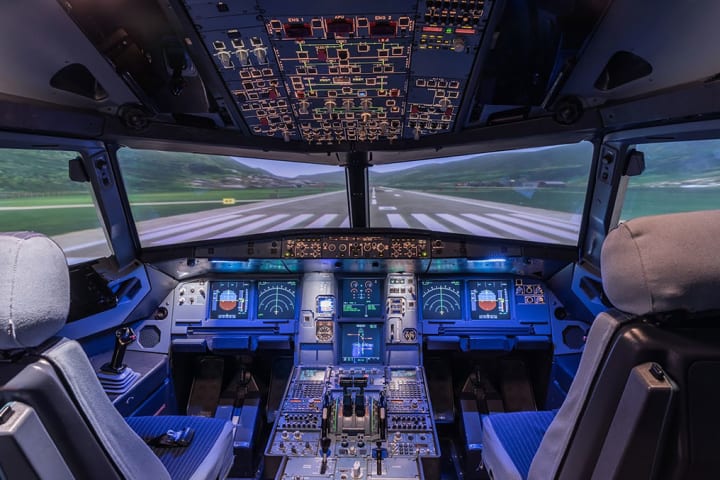
Flight simulators are critical tools used by airlines to train pilots and ensure their skills stay sharp. These machines are complex, replicating the experience of flying different aircraft under various conditions. As a flight simulator technician, your role involves maintaining and troubleshooting these simulators, ensuring they function properly for training sessions.
Flight simulators must run smoothly around the clock for pilots to complete their training, so technicians play a vital role in keeping them operational. This position requires technical knowledge in electronics, mechanics, and software systems, making it an excellent fit for those interested in aviation technology but not necessarily flying.
5. Aviation Operations Manager
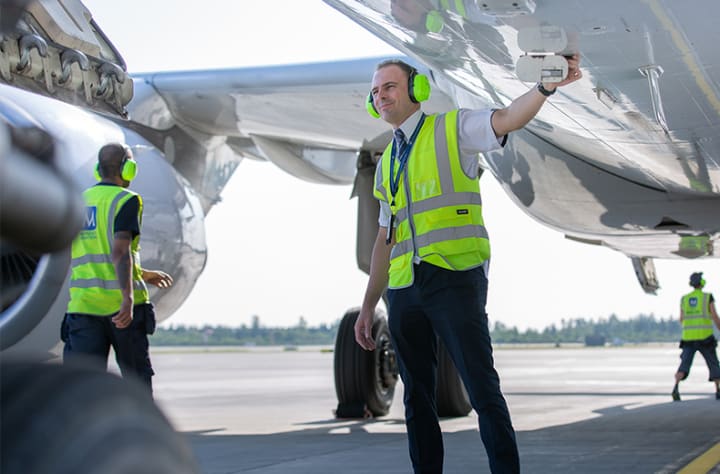
Aviation operations managers oversee the day-to-day functioning of airlines, airports, or aviation service companies. Their responsibilities can include managing schedules, coordinating ground services, ensuring compliance with safety regulations, and working with different departments to ensure smooth operations.
In this role, you'll collaborate with air traffic controllers, pilots, ground crew, and customer service teams to manage the logistics of flight operations. Strong leadership, organizational skills, and a thorough understanding of aviation processes are essential to succeed in this career.
Aviation operations managers can work for airlines, airports, or other aviation-related businesses, making it a dynamic role that offers plenty of variety and responsibility.
Final Thoughts
The aviation industry offers far more than just a career in the cockpit. From ensuring aircraft are safe to fly, to guiding them through the skies or even training future pilots, there are numerous non-pilot roles that are essential to keeping the aviation world moving. So, if you’ve ever dreamed of a career in aviation but don’t want to be a pilot, these exciting opportunities may just be your perfect fit!
About the Creator
Horace Was
Essay Writer, Aviation and Technology Expert
Keep reading
More stories from Horace Was and writers in Education and other communities.
Virgin Atlantic
In a groundbreaking achievement for the aviation industry, Virgin Atlantic has successfully completed its first transatlantic flight from London to New York using 100% sustainable aviation fuel (SAF). This milestone not only highlights Virgin Atlantic's commitment to reducing carbon emissions but also sets a new precedent for the aviation sector's future. On this historic flight, Virgin Atlantic aimed to demonstrate the viability and safety of using 100% SAF for long-haul flights. The airline's successful journey from London to New York is a significant step towards decarbonizing the aviation industry. By utilizing SAF, which is produced from renewable sources and has the potential to reduce carbon emissions significantly, Virgin Atlantic is leading the way in showcasing how the aviation industry can evolve to meet environmental goals.
By Horace Was2 years ago in Education




Comments
There are no comments for this story
Be the first to respond and start the conversation.