
Virgin Atlantic
Virgin Atlantic's First Transatlantic Flight Powered by 100% Sustainable Aviation Fuel

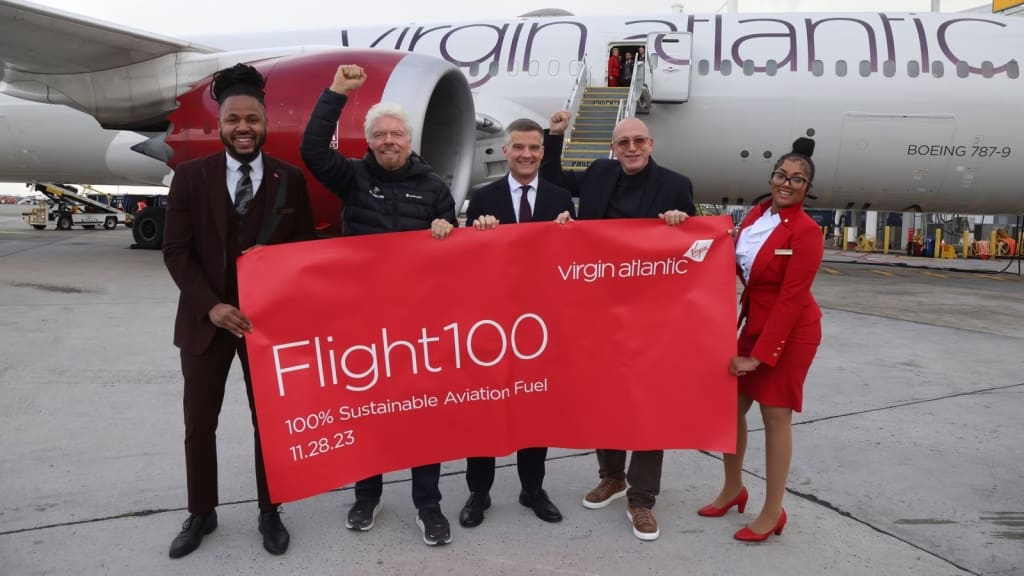
In a groundbreaking achievement for the aviation industry, Virgin Atlantic has successfully completed its first transatlantic flight from London to New York using 100% sustainable aviation fuel (SAF). This milestone not only highlights Virgin Atlantic's commitment to reducing carbon emissions but also sets a new precedent for the aviation sector's future. On this historic flight, Virgin Atlantic aimed to demonstrate the viability and safety of using 100% SAF for long-haul flights. The airline's successful journey from London to New York is a significant step towards decarbonizing the aviation industry. By utilizing SAF, which is produced from renewable sources and has the potential to reduce carbon emissions significantly, Virgin Atlantic is leading the way in showcasing how the aviation industry can evolve to meet environmental goals.
Virgin Atlantic
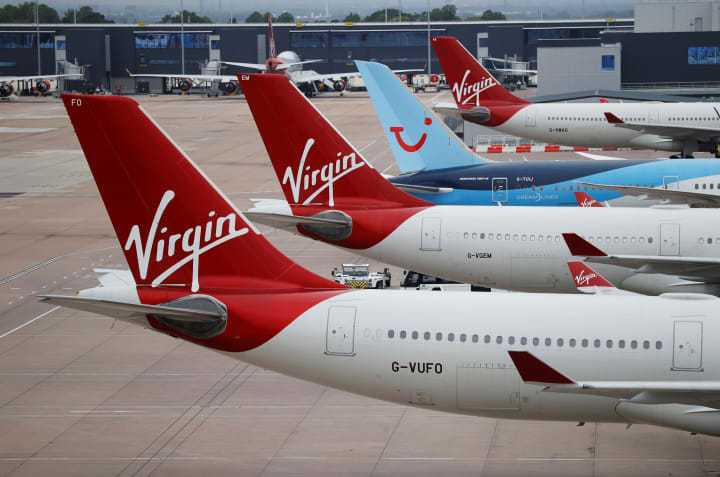
Virgin Atlantic Airways, founded in 1984 by Sir Richard Branson, is a prominent British airline known for its innovative approach and commitment to customer service. The airline began its operations with a single aircraft on a route from London to Newark, New Jersey, and has since grown into a major international carrier. Headquartered in London, Virgin Atlantic operates a fleet primarily consisting of Boeing and Airbus aircraft. The airline has become renowned for its distinctive brand, which emphasizes comfort, style, and a unique passenger experience. Virgin Atlantic’s focus on providing exceptional service has garnered it a loyal customer base and numerous accolades within the aviation industry.
Virgin Atlantic's fleet includes a mix of Boeing 787 Dreamliners and Airbus A350s, known for their fuel efficiency and advanced technology. The airline operates flights to major destinations across North America, the Caribbean, Africa, and Asia. Virgin Atlantic has also developed strong partnerships with other airlines, including Delta Air Lines, enhancing its global connectivity. Virgin Atlantic has demonstrated a strong commitment to environmental sustainability. The airline has undertaken several initiatives to reduce its carbon footprint, including the adoption of more fuel-efficient aircraft and investment in sustainable aviation fuel (SAF). The recent historic flight from London to New York, powered entirely by SAF, marks a significant milestone in the airline's efforts to decarbonize aviation. Virgin Atlantic is known for its emphasis on customer experience. The airline offers a range of services designed to enhance passenger comfort, including well-regarded in-flight entertainment, a variety of meal options, and a focus on premium cabins. Its Upper Class, Premium Economy, and Economy services are tailored to meet diverse traveler needs, combining luxury and affordability.
Virgin Atlantic has faced various financial challenges over the years, including economic downturns and the impacts of the COVID-19 pandemic. Despite these challenges, the airline has continued to innovate and adapt, focusing on strategic partnerships and efficiency improvements to bolster its financial performance. The successful adoption of SAF and the expansion of its route network are part of the airline's strategy to strengthen its market position and ensure long-term sustainability. The airline has received numerous awards for its service and performance, including accolades for its in-flight product and overall customer experience. These awards reflect Virgin Atlantic's dedication to maintaining high standards and continuously improving its offerings.
Virgin Atlantic Airways stands out in the aviation industry for its commitment to innovation, customer service, and sustainability. From its humble beginnings to its current status as a major international carrier, the airline has consistently demonstrated a forward-thinking approach. The recent achievement of flying a transatlantic route using 100% sustainable aviation fuel underscores Virgin Atlantic's role as a leader in the push towards a greener, more sustainable future for aviation.
Richard Branson - Background
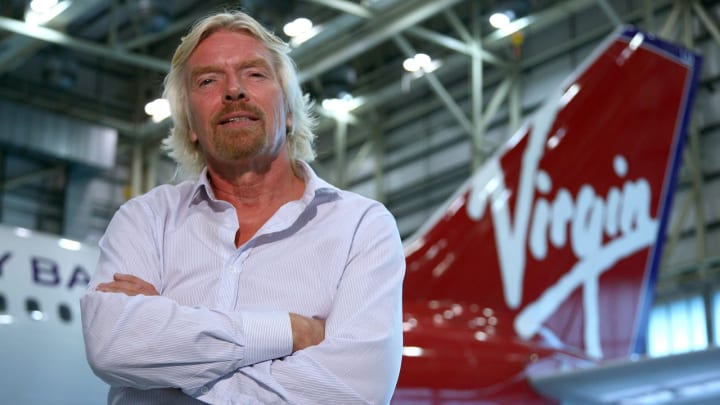
Richard Branson, the flamboyant British entrepreneur and founder of the Virgin Group, is renowned for his diverse business ventures and adventurous spirit. His fortune and success stem from a combination of innovative business strategies, a willingness to take risks, and a keen sense of branding. Here's a look at how he amassed his wealth:
Early Ventures - Student Magazine

Richard Branson's entrepreneurial path began with the founding of Student Magazine at the age of 16. Launched in 1966, the magazine was a bold endeavor that reflected Branson’s early interest in business and media. Despite its eventual financial struggles, Student Magazine played a crucial role in shaping Branson’s career and laying the groundwork for his future successes.
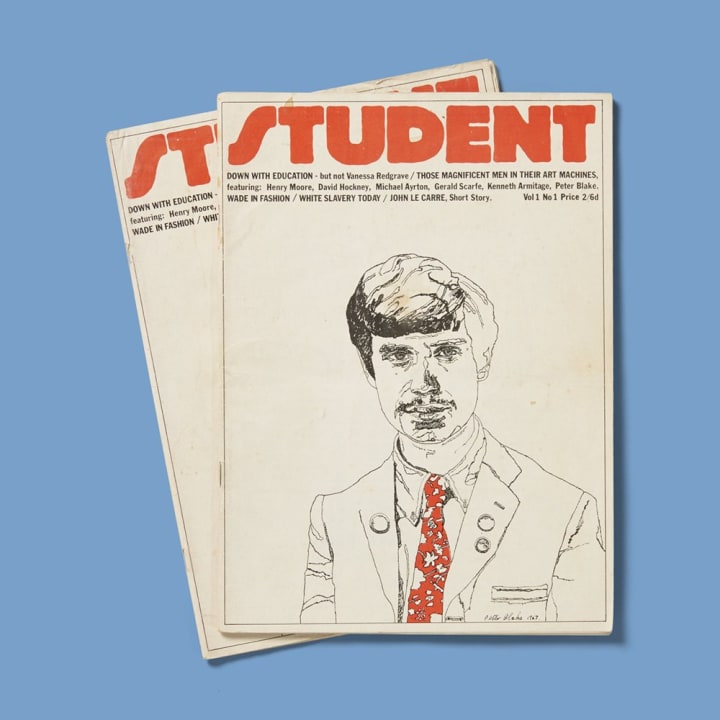
Student Magazine was conceived as a publication focused on youth culture and issues relevant to students. At the time, there was a growing interest among young people in topics such as music, social change, and political activism. Branson recognized an opportunity to tap into this burgeoning market with a magazine that catered specifically to these interests. The magazine aimed to provide a platform for student voices and address the concerns and aspirations of a new generation. Branson, with limited resources and experience, took on various roles in the magazine, from editorial duties to distribution. His hands-on approach to the magazine’s production was a testament to his commitment and entrepreneurial spirit. The magazine featured articles on a range of topics, including music reviews, interviews with emerging artists, and commentary on contemporary issues. Despite its ambitious content and Branson’s enthusiasm, Student Magazine faced significant financial challenges.
The magazine struggled to achieve financial stability due to high production costs and difficulties in securing advertising revenue. Despite these challenges, Branson’s experience with Student Magazine was invaluable. The venture taught him important lessons about business management, marketing, and the importance of building a strong network. Through his efforts with the magazine, Branson established connections with various individuals and organizations, which would later prove instrumental in his subsequent ventures. Branson’s perseverance and adaptability during the magazine’s operation were crucial learning experiences. The difficulties he faced with Student Magazine honed his problem-solving skills and provided insights into the realities of running a business. These lessons would become foundational as he embarked on future entrepreneurial endeavors.
Although Student Magazine did not achieve financial success, it marked the beginning of Branson’s entrepreneurial career. The venture allowed him to explore his passion for media and business, laying the groundwork for his later achievements. Branson’s early experiences with the magazine demonstrated his ability to identify opportunities and his willingness to take risks—a mindset that would become central to his business philosophy. Student Magazine, despite its limited financial success, was a significant milestone in Richard Branson’s career. It provided him with early exposure to the challenges and rewards of entrepreneurship and helped him build a network of contacts that would support his future ventures. The magazine's legacy lies in its role as the starting point of Branson’s journey towards becoming a renowned global entrepreneur.
Virgin Records and Music Industry Success

Virgin Records, founded by Richard Branson in 1972, was a pivotal venture in the music industry that significantly contributed to Branson’s wealth and prominence as an entrepreneur. The establishment of Virgin Records marked the beginning of Branson’s foray into the world of entertainment, setting the stage for his future business successes. The inception of Virgin Records was born out of Branson’s desire to create a platform for innovative and unconventional music. The label was initially a modest operation, with Branson focusing on offering artists more creative freedom than was typical at the time. This approach quickly differentiated Virgin Records from its competitors, attracting a range of artists who were looking for a more supportive and flexible environment.
One of Virgin Records’ early successes came with the signing of the punk band Sex Pistols in 1977. The band’s raw, rebellious style and outspoken nature aligned with Branson’s vision of promoting groundbreaking music. The release of the Sex Pistols' debut album, Never Mind the Bollocks, Here’s the Sex Pistols, was a commercial and cultural phenomenon. The album’s success not only cemented Virgin Records’ reputation as a label that supported innovative music but also established Branson as a key figure in the industry.
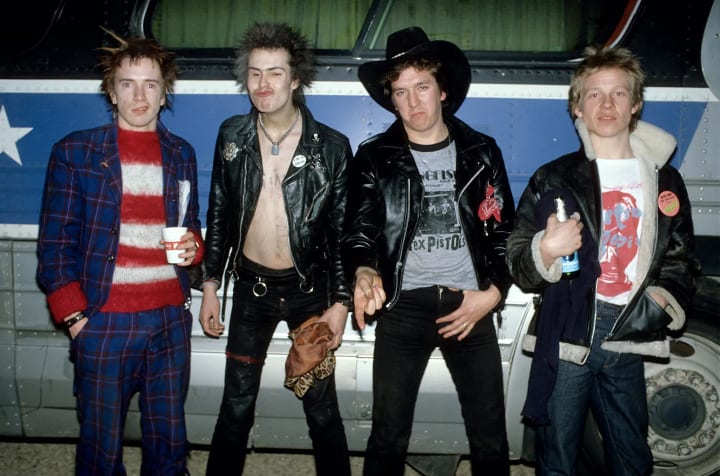
Following the success of the Sex Pistols, Virgin Records expanded its roster to include a diverse array of successful and influential artists. The label signed acts across various genres, ranging from rock and pop to electronic music. Some notable artists under the Virgin Records umbrella included Mike Oldfield, whose album Tubular Bells was a major hit, and The Human League, a pioneering band in the synth-pop genre. Virgin Records also supported emerging talents like David Bowie and Culture Club, further solidifying its position as a major player in the music industry. The label’s success was not solely based on its artist roster but also on its innovative approach to music promotion and distribution. Virgin Records embraced new technologies and trends, such as the rise of music videos and digital recording, which helped it stay ahead of the curve in a rapidly evolving industry.
In 1992, Virgin Records was sold to EMI Records for approximately $1 billion. The sale was a landmark event in the music industry, reflecting both the success of Virgin Records and Branson’s astute business acumen. The deal provided Branson with substantial capital, which he reinvested into other ventures, fueling the expansion of the Virgin Group into new sectors. The sale also marked a significant shift in Branson’s career. Having established himself as a prominent figure in the music industry, he began to focus more on diversifying the Virgin Group’s interests. Despite the sale, Virgin Records continued to operate under EMI, maintaining its influence and legacy in the music world.

Virgin Records' success was instrumental in shaping Branson’s reputation as an innovative entrepreneur. The label’s commitment to supporting unconventional and cutting-edge music helped redefine industry standards and contributed to the broader cultural impact of the punk and new wave movements. Branson’s ability to recognize and nurture talent played a crucial role in the label’s achievements and set the foundation for his subsequent ventures. Virgin Records was not only a significant milestone in Richard Branson’s career but also a transformative force in the music industry. Its success demonstrated Branson’s vision and entrepreneurial skill, laying the groundwork for the Virgin Group’s continued growth and diversification into new markets.
Expansion into Diverse Industries
In 1984, Branson expanded into the airline industry by founding Virgin Atlantic Airways. The airline quickly gained a reputation for its excellent service and innovative approach. Virgin Atlantic's success added significantly to Branson’s fortune and cemented his status as a prominent businessman. The Virgin Group, under the leadership of Richard Branson, has achieved remarkable growth through diversification into various sectors. This strategic expansion has enabled the Virgin brand to make significant impacts across multiple industries, each reflecting Branson’s vision of innovation and customer-focused service.
Founded in 1999, Virgin Mobile marked a bold entry into the telecommunications sector. As one of the world’s first mobile virtual network operators (MVNOs), Virgin Mobile distinguished itself by offering competitive pricing and flexible plans. This venture capitalized on the growing demand for mobile phone services while bypassing the need for physical network infrastructure. Virgin Mobile's approach was revolutionary, providing consumers with more choices and better value in a market previously dominated by a few major players. The brand’s success in this sector paved the way for its expansion into various international markets and solidified its reputation as a pioneer in mobile communications.

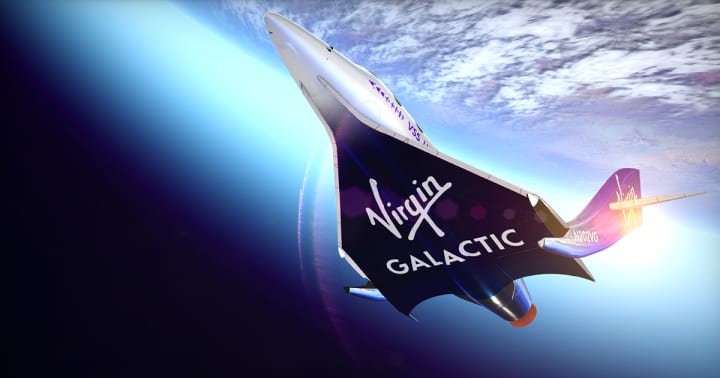
In 2004, Branson launched Virgin Galactic with the ambitious goal of making space tourism a reality. Virgin Galactic represents a significant leap from Virgin's traditional business ventures into the realm of space exploration. The company aims to provide suborbital spaceflights to the public, allowing ordinary people to experience the thrill of space travel. The development of the SpaceShipTwo vehicle and the establishment of Spaceport America in New Mexico are key milestones in Virgin Galactic’s quest. While the venture has faced technical and financial challenges, it remains a symbol of Branson's commitment to pushing the boundaries of what’s possible and making space accessible to a broader audience. Virgin Galactic’s efforts have garnered substantial media attention and investment, highlighting its potential to transform the future of tourism.
Expanding into the hospitality sector, Virgin Hotels was launched in 2010. This venture reflects Branson’s intent to revolutionize the hotel industry by offering a fresh, modern approach to accommodation. Virgin Hotels focuses on delivering a unique guest experience with a blend of comfort, style, and innovation. The brand emphasizes personalized service, cutting-edge technology, and vibrant design, distinguishing itself from traditional hotel offerings.
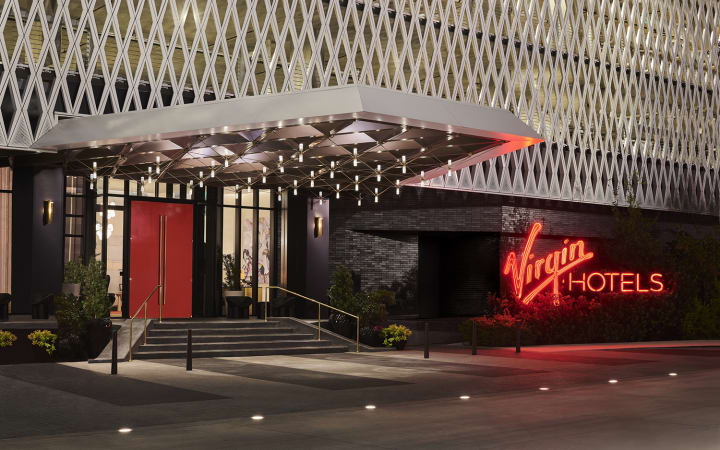
With properties in key cities across the United States and plans for further expansion, Virgin Hotels aims to redefine the standards of hospitality. The success of Virgin Hotels showcases the versatility of the Virgin brand and its ability to adapt to various market needs while maintaining a consistent emphasis on quality and customer satisfaction. The diversification of the Virgin Group into mobile telecommunications, space tourism, and hospitality underscores Richard Branson’s strategic vision and entrepreneurial spirit. Each venture reflects a commitment to innovation and disruption, positioning Virgin as a forward-thinking conglomerate that continually seeks to challenge conventional industries and enhance consumer experiences.

Branson’s fortune has also been bolstered by his high-profile ventures and personal brand. His daring adventures, including attempts to break world records in hot air ballooning and oceanic exploration, have garnered significant media attention and enhanced his public image. Branson has strategically sold off parts of his business empire to fund new ventures and investments. For example, the sale of Virgin Records provided the capital to invest in other Virgin Group ventures. His ability to recognize and capitalize on market opportunities has been a key factor in his financial success. Branson has also engaged in various philanthropic efforts through the Virgin Unite foundation. His focus on social and environmental causes reflects his commitment to using his wealth and influence for the greater good.
Richard Branson’s fortune is the result of a combination of entrepreneurial spirit, strategic risk-taking, and successful ventures across multiple industries. From his early days with a student magazine to establishing a global business empire, Branson’s ability to innovate and diversify has played a crucial role in his success. His continued efforts in space tourism and philanthropy further highlight his ongoing influence and ambition.
The Roadmap for Decarbonization
The recent milestone of a transatlantic flight powered entirely by sustainable aviation fuel (SAF) is a significant step in the broader strategy to decarbonize long-haul aviation. This achievement not only demonstrates the feasibility of using SAF on a large scale but also aligns with a comprehensive roadmap designed to drive significant reductions in aviation's carbon footprint.
In a strategic move to promote sustainability, the UK government has introduced a mandate requiring airlines to use at least 10% SAF by 2030. This policy aims to accelerate the adoption of SAF, which is crucial for reducing the carbon emissions associated with traditional jet fuels. By setting this target, the government is providing a clear signal to the aviation industry about the need for sustainable practices and encouraging airlines to invest in SAF technologies. The mandate is expected to have a substantial impact on the aviation sector, driving innovation and encouraging airlines to prioritize SAF in their fuel mix. It also aligns with broader environmental goals and international commitments to reduce greenhouse gas emissions. The policy is a critical component of the UK's strategy to achieve net-zero emissions by 2050, highlighting the government’s commitment to addressing climate change and fostering sustainable development.
To support the increased demand for SAF and build a robust supply chain, the UK government, in collaboration with private investors, is funding the construction of five SAF production plants. These plants are projected to be operational by 2025 and will significantly enhance the UK's domestic production capabilities. The investment in SAF infrastructure is a strategic move to ensure a reliable and scalable supply of sustainable fuel, which is essential for meeting the 10% SAF mandate and driving the broader adoption of SAF across the aviation industry. The development of these plants represents a substantial commitment to advancing SAF technology and supporting the growth of a new industry. The plants will not only contribute to the UK’s decarbonization goals but also position the country as a leader in sustainable aviation fuel production. The successful operation of these facilities will be instrumental in reducing the cost of SAF and making it more accessible to airlines globally.
The UK’s efforts to decarbonize aviation are part of a global movement towards sustainable aviation. International collaboration and industry partnerships are crucial for scaling SAF production and achieving widespread adoption. The UK's roadmap aligns with global initiatives and standards, contributing to the collective effort to mitigate climate change and promote environmental stewardship in aviation. The roadmap for decarbonizing long-haul aviation involves a multifaceted approach that includes regulatory mandates, infrastructure development, and international cooperation. The UK government’s commitment to SAF and the construction of production plants are pivotal steps in driving the aviation industry towards a more sustainable future. These efforts reflect a broader global trend towards reducing carbon emissions and advancing innovative solutions to address environmental challenges.
Closing
Virgin Atlantic's successful flight serves as a powerful example to the entire aviation industry. By sharing their learnings and experiences, Virgin Atlantic is not only advancing their own sustainability goals but also providing valuable insights that can help other airlines transition to SAF. The impact of this flight extends beyond the immediate environmental benefits; it represents a significant step toward a future where flying can be achieved with minimal carbon emissions. While this flight marks a significant achievement, there is still much work to be done. The aviation industry faces challenges in scaling up SAF production and ensuring its widespread use. However, Virgin Atlantic's demonstration proves that it is possible to fly long-haul routes using 100% sustainable fuel, paving the way for future innovations and advancements. Virgin Atlantic's historic transatlantic flight powered by 100% SAF is a landmark moment in aviation history. It represents a major step towards a more sustainable future and serves as an inspiration for the entire industry. With continued investment and commitment, the vision of a low-carbon aviation sector is becoming increasingly attainable.
About the Creator
Horace Was
Essay Writer, Aviation and Technology Expert
Keep reading
More stories from Horace Was and writers in Education and other communities.
Now Hiring
Are you fascinated by aviation and looking for a career that offers both excitement and solid rewards? Aircraft technicians might be the perfect path for you. As the aviation industry continues to grow, the demand for skilled technicians is rising, and with it comes a range of enticing benefits and competitive earnings. Let’s explore why becoming an aircraft technician could be a smart career move and what you can expect in terms of rewards and earnings.
By Horace Was2 years ago in Education
AI-Driven Drug Discovery: Transforming the Future of Medical Innovation
Developing new medicines has long been one of the most challenging and resource-intensive processes in the healthcare industry. The traditional drug discovery pipeline often involves years of laboratory experiments, extensive data analysis, and multiple stages of clinical trials. Despite these efforts, the majority of potential drug candidates fail before reaching the market. This high rate of failure makes drug development both costly and time-consuming, limiting the speed at which new treatments become available to patients.
By Abba Leffler4 days ago in Education
5 AI Side Hustles You Can Start in 2026 to Make Money Online
Artificial intelligence isn’t just a buzzword—it’s a goldmine for anyone looking to start a side hustle or make extra income online. In 2026, AI tools are more accessible than ever, allowing individuals to automate tasks, create digital products, and provide services that were previously time-consuming or expensive.
By Majus Jasulaitis3 days ago in Education



Comments
There are no comments for this story
Be the first to respond and start the conversation.