
NFTs and Gaming: The Rise of Blockchain Gaming
In this article, we’ll explore how NFTs are changing the landscape of gaming and the potential they have for the future of the industry.

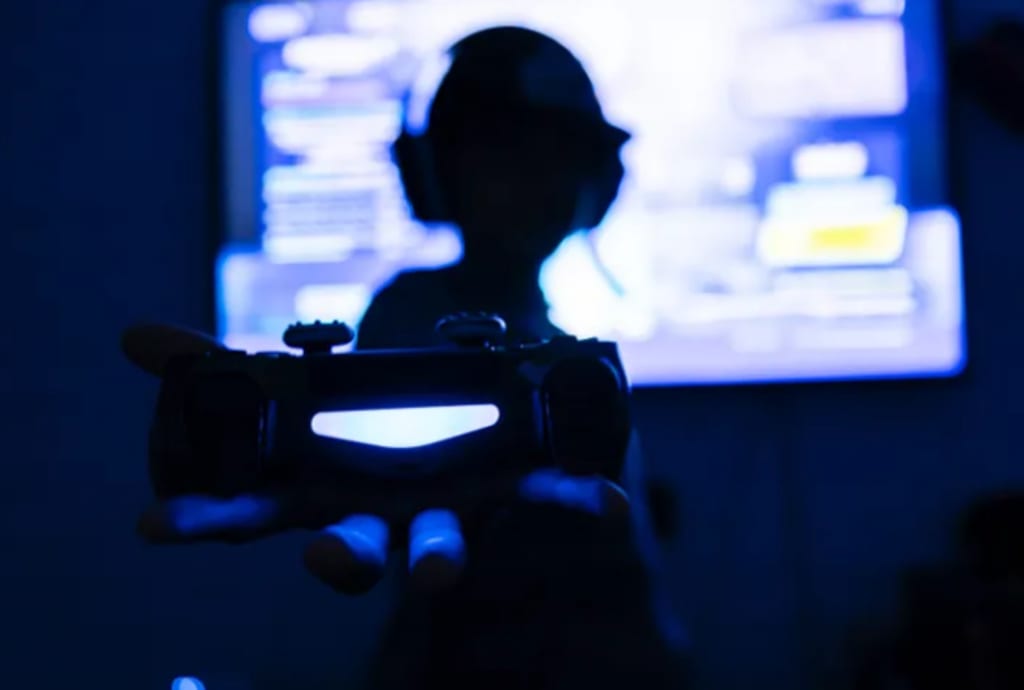
As technology evolves, gaming is becoming more than just a form of entertainment; it’s becoming a source of income for many players. The rise of blockchain gaming has opened up a new world of opportunities for gamers by introducing Non-Fungible Tokens (NFTs) into the industry. NFTs provide a unique way for players to buy, sell, and trade in-game items and assets, adding real-world value to the gaming experience.
In this article, we’ll explore how NFTs are changing the landscape of gaming and the potential they have for the future of the industry.
What Are NFTs?
Non-Fungible Tokens (NFTs) are digital assets that represent ownership of a unique item or piece of content, such as artwork, music, or video games. Each NFT is stored on a blockchain, a secure and decentralized ledger system that allows for ownership to be transferred and verified without the need for intermediaries.
NFTs have gained popularity in recent years as a new way for creators to monetize their digital content, and the world of gaming has been quick to embrace the technology. NFTs offer a new way for gamers to collect and trade in-game items, as well as a new avenue for game developers to generate revenue. The rise of NFTs in the gaming industry is changing the way we think about ownership, value, and ownership of digital assets.
Blockchain Gaming:
Blockchain gaming is a new form of video gaming that leverages blockchain technology to provide players with new gameplay experiences and ownership of in-game assets. In traditional video games, players have no control over their virtual assets as the game developers control and own all in-game items. However, blockchain gaming changes this by using NFTs to give players true ownership of their virtual assets.
Blockchain gaming works by creating an in-game economy where players can earn tokens or NFTs by completing quests, winning battles, or selling items to other players. These tokens or NFTs can then be used to buy in-game items or can be traded on cryptocurrency exchanges. The use of blockchain technology also allows for secure transactions and eliminates the possibility of fraud or hacking.
There are several blockchain games already available in the market, such as Gods Unchained, Axie Infinity, and Decentraland. These games have unique gameplay mechanics and offer players the opportunity to earn NFTs that they can sell or trade on the blockchain. As blockchain technology continues to advance, it is likely that more blockchain games will emerge, offering players even more exciting gameplay experiences and ownership of their virtual assets.
The Rise of NFTs in Gaming:
In recent years, non-fungible tokens (NFTs) have gained significant popularity as a means of verifying ownership and authenticity of digital assets. This trend has now spread to the world of gaming, where NFTs are being used to revolutionize the way players interact with in-game assets.
One of the main advantages of using NFTs in gaming is that they allow players to truly own their in-game assets. Traditionally, players would spend hours or even days acquiring rare items or in-game currency, only to have their hard work and investment rendered worthless if the game shuts down or the company behind it discontinues support. With NFTs, players can actually own their in-game items and currency, and even sell them to other players or collectors outside of the game.
Another benefit of NFTs in gaming is that they allow for true scarcity and rarity of in-game items. In traditional gaming, developers can simply create more copies of an item to meet demand, but with NFTs, there is a finite number of each item, making them truly unique and valuable.
There are already several games that have incorporated NFTs into their gameplay, such as Axie Infinity and The Sandbox. These games allow players to buy and sell unique items and even earn real money through in-game activities. Additionally, there are platforms such as Enjin and Immutable X that enable game developers to easily integrate NFTs into their games.
As NFTs continue to gain popularity and more game developers adopt them, we can expect to see a significant shift in the way we think about and interact with in-game assets. With NFTs, players will have more control over their gaming experience and the ability to truly own and profit from their digital assets.
Challenges and Risks:
While NFTs offer a lot of potential benefits for the gaming industry, there are also several challenges and risks to consider.
Scalability:
One of the biggest challenges facing NFT-based games is scalability. Current blockchain technology may not be able to handle the level of transactions needed for large-scale gaming applications.
Cost:
Another challenge is the cost associated with creating and selling NFTs. As the demand for NFTs increases, so does the cost of creating them, which could lead to an imbalance in the market.
Security:
NFTs rely on blockchain technology, which is often touted for its security. However, as with any technology, there is always a risk of hacking or fraud. If a player loses their NFT or has it stolen, it may be difficult or impossible to recover.
Market saturation:
As more developers and companies enter the NFT gaming space, the market may become oversaturated with similar offerings, leading to a lack of differentiation and ultimately a decline in demand.
Regulatory concerns:
As with any emerging technology, there are also concerns about regulation. It is still unclear how governments around the world will approach the regulation of NFTs and blockchain gaming.
Environmental impact:
The energy consumption required for blockchain technology has raised concerns about its impact on the environment. The high energy consumption associated with NFTs has led to criticism and calls for more sustainable alternatives.
It is important for developers and companies in the NFT gaming space to be aware of these challenges and risks and to work towards finding solutions that address them. As the industry continues to grow and evolve, it will be important to strike a balance between innovation and responsible use of technology.
The Future of NFTs and Gaming:
As the popularity of NFTs and blockchain gaming continues to grow, the future of this intersection looks promising. Here are some potential developments that we can expect to see in the coming years:
Increased Adoption:
As more gamers become familiar with NFTs, we can expect to see increased adoption of this technology in the gaming industry. This could lead to a wider variety of NFT-based games and game-related collectibles.
More Established Marketplaces:
As the demand for NFTs in gaming increases, we can expect to see more established marketplaces for buying and selling NFTs. This could make it easier for gamers to acquire and trade NFTs.
Integration with Traditional Gaming:
As blockchain gaming becomes more popular, we can expect to see more integration between traditional gaming and blockchain gaming. This could lead to hybrid games that use both traditional and blockchain-based technologies.
Increased Security:
As the use of NFTs in gaming grows, so too does the risk of fraud and other security concerns. To address this, we can expect to see increased security measures put in place to protect gamers and their NFTs.
New Revenue Streams:
NFTs could provide new revenue streams for game developers and publishers. By creating NFT-based games and collectibles, developers and publishers could generate additional income streams outside of traditional game sales.
Further Innovation:
As with any emerging technology, we can expect to see further innovation in the NFT and blockchain gaming space. This could lead to new and exciting gaming experiences that take advantage of the unique properties of blockchain technology.
Conclusion:
The integration of NFTs in gaming is rapidly evolving and holds significant potential for the future of the gaming industry. The adoption of blockchain technology and NFTs has already begun in the gaming world, with numerous games incorporating NFTs as in-game assets and providing players with opportunities to trade them.
While there are still challenges and risks associated with the use of NFTs in gaming, the benefits of transparency, security, and ownership that blockchain technology provides make it an attractive option for developers and players alike. As the technology continues to develop, it will be interesting to see how NFTs shape the future of gaming and what new opportunities they will bring to players, developers, and investors in the industry.
About the Creator
Blockchain Smart Solutions
Learn & Implement Blockchain Smartly
Keep reading
More stories from Blockchain Smart Solutions and writers in Education and other communities.
The Metaverse Economy: How It Could Change the Future of Money
The Metaverse economy is rapidly emerging as a new frontier that could potentially change the future of money. This digital world has created new opportunities for businesses and individuals alike to create, exchange, and earn value in novel ways. With the increasing adoption of blockchain technology, the Metaverse has become an even more significant space for experimentation and innovation in the world of finance.
By Blockchain Smart Solutions3 years ago in Education
How to Gain Real Work Experience in Wealth Management
Breaking into wealth management can feel confusing at first. Many roles ask for experience, but it is not always clear how to get it. The good news is that real wealth management work experience comes from action, not just titles. With the right approach, you can build skills, credibility, and confidence before landing a full-time role.
By John Lennox Cummings6 days ago in Education
Common Online Money
Introduction: The Dark Side of Online Earning The internet has created countless opportunities to earn money online. From freelancing and blogging to online teaching and affiliate marketing, many people now make a living from the digital world. However, along with real opportunities, the internet is also full of scams. Every year, millions of people lose money, time, and personal information because of online money-making frauds. Understanding these scams is the first step to staying safe. This article explains the most common online money-making scams and how you can avoid them.
By Bilal Mohammadi5 days ago in Education



Comments
There are no comments for this story
Be the first to respond and start the conversation.