
Common Online Money
Making Scams You Must Avoid

Introduction: The Dark Side of Online Earning
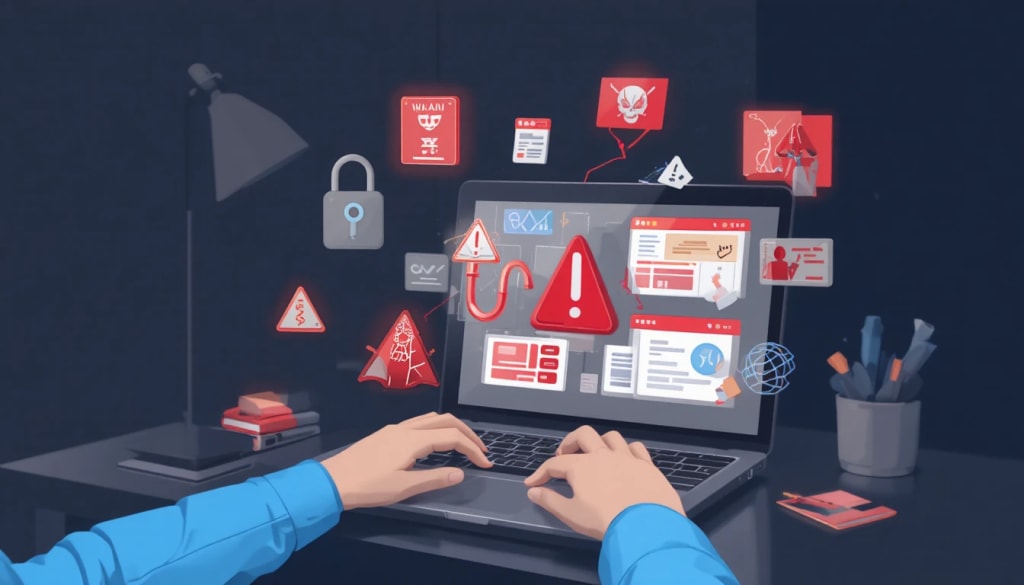
The internet has created countless opportunities to earn money online. From freelancing and blogging to online teaching and affiliate marketing, many people now make a living from the digital world. However, along with real opportunities, the internet is also full of scams. Every year, millions of people lose money, time, and personal information because of online money-making frauds. Understanding these scams is the first step to staying safe. This article explains the most common online money-making scams and how you can avoid them.
“Get Rich Quick” Scams
One of the most common online scams is the “get rich quick” scheme. These scams promise huge profits in a very short time with little or no effort. You may see ads claiming you can earn hundreds of dollars per day by working only a few minutes. In reality, legitimate online income always requires time, skills, or investment. If an offer sounds too good to be true, it usually is.
Fake Freelancing Websites
Freelancing is a real and trusted way to earn money online, but scammers often create fake freelancing websites or pretend to be clients. They may ask you to pay a registration fee or request personal information before giving you work. Some scammers even send fake checks or ask you to pay “processing fees.” Real freelancing platforms never ask for upfront payments to get a job.
Online Survey and Task Scams
Many websites claim that you can earn easy money by completing surveys or small tasks. While some survey sites are legitimate, many are scams. These fake platforms often collect your personal data, show endless tasks without payment, or suddenly disappear when it is time to withdraw earnings. Always research survey websites carefully before signing up.
Ponzi and Investment Schemes
Online investment scams are becoming more sophisticated. These schemes promise guaranteed returns with no risk, which is a major red flag. Ponzi schemes use money from new investors to pay old investors, creating an illusion of profit. Eventually, the system collapses, and most people lose their money. Legitimate investments always involve risk and never guarantee profits.
Affiliate Marketing Scams
Affiliate marketing is a genuine online business model, but scammers misuse its popularity. Fake affiliate programs may ask for joining fees or promise unrealistic commissions. Some scams provide no real product and focus only on recruiting new members. True affiliate programs are transparent, free to join, and linked to real products or services.
Fake Online Courses and Gurus
Another growing scam involves fake online courses and self-proclaimed “gurus.” These individuals claim they have secret methods to make instant money online. They often use luxury cars, screenshots of earnings, and motivational language to attract people. After paying high fees, users usually receive low-quality or copied content. Real education focuses on skills, not shortcuts.
Social Media Job Scams
Scammers frequently target users on social media platforms like Facebook, Instagram, and WhatsApp. They post fake job offers, especially for remote work or data entry. These scammers may ask for personal details, verification fees, or even access to your accounts. Legitimate employers never ask for money to offer you a job.
Phishing and Identity Theft
Phishing scams aim to steal your personal information, such as passwords, credit card details, or bank data. Scammers send fake emails or messages that look like they come from trusted companies. Clicking on fake links can lead to identity theft or financial loss. Always check the sender’s email address and avoid clicking on suspicious links.
Warning Signs of Online Scams
There are common warning signs that can help you identify scams:
Promises of fast and guaranteed income
Requests for upfront fees
Pressure to act quickly
Lack of clear contact information
Poor website design or grammar mistakes
If you notice any of these signs, it is best to stay away.
How to Protect Yourself from Online Fraud
To protect yourself from online scams, always research before joining any platform. Read reviews, check official websites, and verify payment methods. Never share sensitive personal information with unknown sources. Use strong passwords and enable two-factor authentication where possible. Most importantly, trust logic over emotions when making online decisions.
Conclusion: Stay Smart, Stay Safe Online
Online earning is real, but it is not easy or instant. Scammers take advantage of people who are desperate or uninformed. By understanding common online money-making scams and learning how to recognize warning signs, you can protect yourself and focus on genuine opportunities. Staying informed, patient, and cautious is the key to long-term success in the online world.
About the Creator
Keep reading
More stories from Bilal Mohammadi and writers in Education and other communities.
New Robots Coming in 2026
New Robots in 2026: How Technology Is Changing Our Future Technology is moving very fast, and robots are becoming an important part of our lives. By the year 2026, new types of robots will be more common in homes, schools, hospitals, and workplaces. These robots will not only help humans with hard work but will also make daily life easier, safer, and more efficient. In this article, we will explore what new robots in 2026 may look like, what they can do, and how they will affect our future.
By Bilal Mohammadi17 days ago in Education
How Global Experiences Shape Smarter, More Creative Leaders
Leadership today demands more than experience and technical skill. It requires imagination, empathy, and the ability to see problems from new angles. One of the most potent ways leaders develop these qualities is through travel. When leaders step outside familiar routines, they gain insight that books and meetings cannot offer. Exposure to new cultures, environments, and ways of thinking shows clearly how creative leadership through travel can unlock ideas that change how leaders think, decide, and inspire others.
By Nathalie Kyriakouabout 7 hours ago in Education
Can You Really Earn Money With Transcription? The Real Income Reality
The short answer is yes—you can earn money with transcription. But the more honest, useful answer is this: transcription only becomes worthwhile when you understand how the income actually works, not how it’s often presented online.
By Mahesh Kumara day ago in Education




Comments
There are no comments for this story
Be the first to respond and start the conversation.