
Next-Gen CRISPR Offers Safer, More Effective Approach to Curing Genetic Disorders
“From base editing to prime editing, next-gen CRISPR technologies are reshaping the future of medicine with safer, more precise cures for genetic disorders.”

Introduction
For over a decade, CRISPR-Cas9 has been hailed as a revolutionary tool in genetic engineering. By allowing scientists to cut and edit DNA with precision, it has opened new possibilities for curing diseases that were once considered untreatable. Yet, as powerful as CRISPR-Cas9 is, it comes with limitations particularly the risks of unintended edits, immune responses, and safety concerns when applied to humans. Now, a new generation of CRISPR technologies, often referred to as “Next-Gen CRISPR,” promises to overcome these hurdles. By focusing on improved accuracy, reduced off-target effects, and enhanced delivery methods, these advanced systems may offer a safer, more effective pathway to curing genetic disorders.
The Evolution of CRISPR Technology
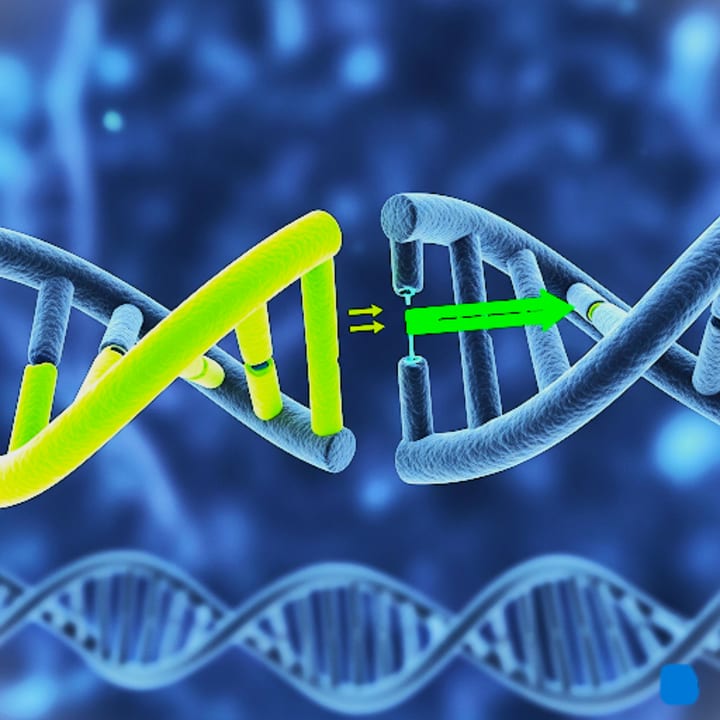
Traditional CRISPR-Cas9 works by cutting DNA at a targeted site, enabling researchers to either remove faulty genes or insert corrected ones. While groundbreaking, this approach can sometimes lead to unintended DNA breaks, known as off-target effects. Such errors could potentially cause harmful mutations, increasing the risk of cancer or other complications. Furthermore, the human immune system may recognize Cas9, a protein derived from bacteria, as a foreign invader, raising safety concerns for clinical use.
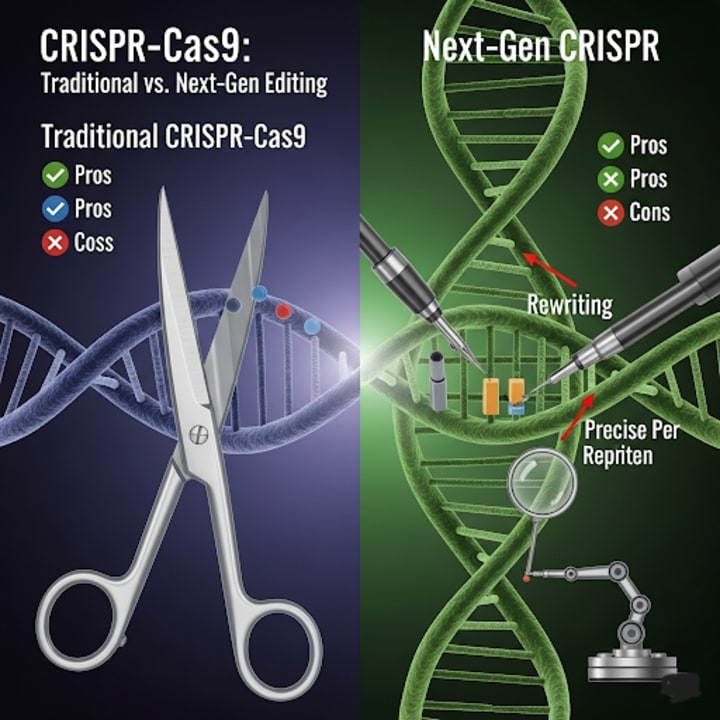
To address these issues, scientists have been working on refining the system. This has led to the emergence of several next-generation CRISPR platforms, such as base editors, prime editors, and Cas variants with enhanced accuracy. These tools do not rely solely on making blunt DNA cuts but instead allow for subtle, highly controlled genetic changes.
Key Innovations in Next-Gen CRISPR
1. Base Editing
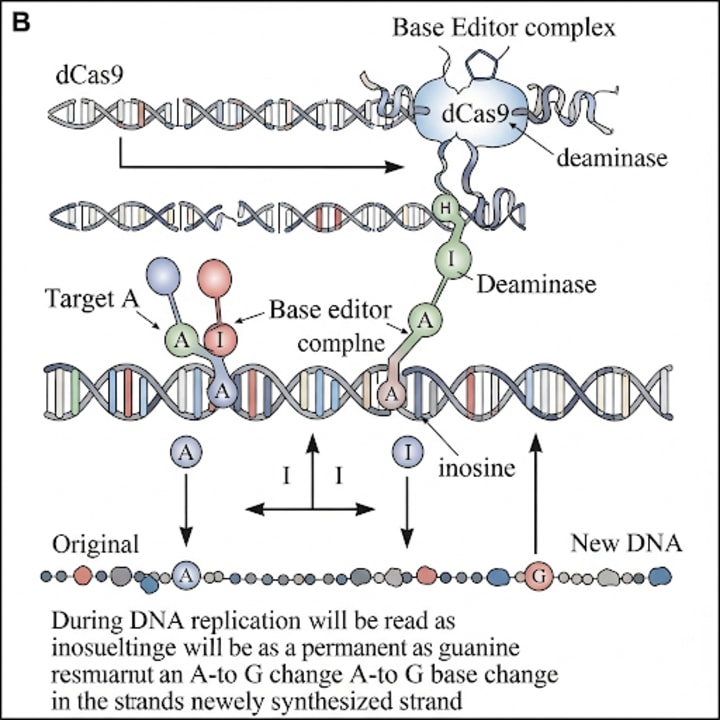
Base editing is one of the most exciting advancements. Instead of cutting DNA, base editors chemically convert one DNA letter (nucleotide) into another. For example, an adenine (A) can be converted to a guanine (G), effectively correcting point mutations responsible for many genetic diseases. This approach drastically reduces the risk of unintended cuts and is already being explored for conditions such as sickle cell anemia and inherited blindness.
2. Prime Editing
Prime editing is even more versatile. Often called a “search-and-replace” function for DNA, prime editors can not only correct point mutations but also insert or delete small sequences without creating double-stranded breaks. This makes the process safer and applicable to a broader range of disorders, including cystic fibrosis and muscular dystrophy.
3. Cas Variants and Improved Precision
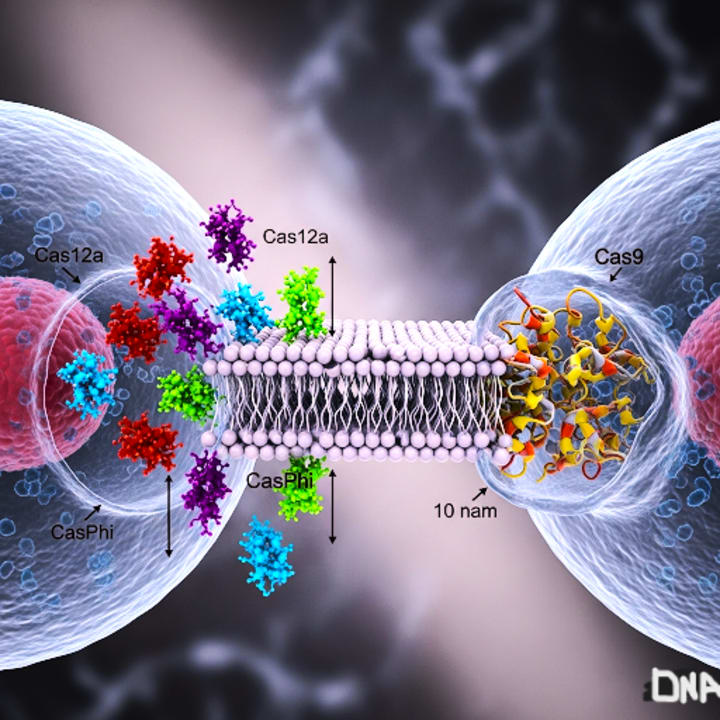
Researchers have also developed new Cas enzymes, such as Cas12 and CasX, which are smaller and easier to deliver into cells compared to Cas9. These variants have higher specificity, meaning they are less likely to cut unintended DNA sites. Some versions are engineered to be less detectable by the immune system, further enhancing safety.
4. RNA Editing Tools
Another branch of Next-Gen CRISPR focuses on RNA rather than DNA. RNA editing allows temporary changes that do not alter the permanent genetic code, making it an attractive option for conditions where reversible treatment is preferable.
Clinical Applications on the Horizon
The potential of these advanced CRISPR tools in medicine is enormous. Clinical trials are already underway exploring the use of base and prime editing in treating genetic blood disorders, eye diseases, and rare metabolic conditions. For example, Vertex Pharmaceuticals and CRISPR Therapeutics recently achieved regulatory approval for a CRISPR-based therapy to treat sickle cell disease, marking a historic milestone. Next-Gen CRISPR could expand this success to dozens of other inherited disorders.

Beyond single-gene diseases, researchers are investigating how CRISPR could help in tackling complex conditions like cancer, HIV, and even age-related disorders. By fine-tuning immune cells, Next-Gen CRISPR may help create safer and more effective cell therapies for cancer treatment.
Ethical and Safety Considerations
While the promise is enormous, ethical considerations remain central to CRISPR’s future. Permanent edits in human embryos, for instance, raise profound concerns about unintended consequences and the potential for “designer babies.” However, Next-Gen CRISPR reduces some of the most pressing risks by offering more accurate and predictable outcomes. Regulatory bodies worldwide are keeping a close watch, ensuring that research advances responsibly and transparently.
Challenges Ahead
Despite these breakthroughs, challenges remain. Delivering CRISPR tools efficiently into the right cells and tissues is still a major obstacle. Viral vectors, nanoparticles, and other delivery systems are being refined to make treatments more practical and less risky. Additionally, the cost of CRISPR-based therapies remains high, raising concerns about equitable access.
Next-Gen CRISPR represents a significant leap forward in the quest to cure genetic disorders. By moving beyond blunt DNA cuts and embracing more precise, flexible editing techniques, scientists are addressing safety concerns that have long limited the technology’s clinical potential. With ongoing trials and rapid innovation, we are entering an era where once-incurable diseases may soon be treatable and possibly curable through safe and effective genetic editing. While challenges remain, the horizon looks promising: a future where CRISPR could truly rewrite the story of human health.
About the Creator
Muzamil khan
🔬✨ I simplify science & tech, turning complex ideas into engaging reads. 📚 Sometimes, I weave short stories that spark curiosity & imagination. 🚀💡 Facts meet creativity here!
Keep reading
More stories from Muzamil khan and writers in Education and other communities.
Giant Dormant Virus Found in Algae Could Revolutionize Genetics
In 2025, scientists at Virginia Tech made an extraordinary discovery while studying a simple green alga, Chlamydomonas reinhardtii. Hidden inside the alga’s genome was a giant dormant virus, now called Punuivirus. Unlike common viruses that attack and destroy their hosts, this virus has the remarkable ability to integrate into the host DNA, remain silent for long periods, and occasionally reactivate without harming the cell. This unusual behavior has profound implications for our understanding of viruses, evolution, and biotechnology. More importantly, it could open new doors in gene editing technologies, potentially expanding the possibilities beyond today’s well-known CRISPR systems.
By Muzamil khan5 months ago in Education
The Psychology of Conviction: How Successful People Execute Bold Ideas Fearlessly
Executing bold ideas requires more than just ambition and creativity; it demands a powerful mindset. Many people come up with great ideas, but only a few can confidently and consistently turn those ideas into reality. What separates those who execute fearlessly from those who hesitate or abandon their plans is a deep psychological understanding of conviction.
By Brian Ferdinand3 days ago in Education
Do You have a Support Network?
Life is harder when you’re on your own. Human beings are social creatures, and we usually feel better when we have support from a strong social network around us. For most people, it’s our families that hold us together like glue.
By Elizabeth Woodsabout 22 hours ago in Psyche




Comments
There are no comments for this story
Be the first to respond and start the conversation.