
Never Stop Learning
The Difference Between Lifelong Learning and Traditional Education


Unlocking the Power of Lifelong Growth
Introduction
Learning doesn't stop when we leave school or university. In fact, life is one big classroom, and the lessons don't end. We are constantly surrounded by new opportunities to learn and grow. Whether it's gaining new skills, exploring different perspectives, or challenging ourselves to be better, learning is a lifelong journey.
This article will explore the importance of continuous learning, how it impacts personal and professional growth, and why embracing a mindset of curiosity can lead to a more fulfilling life. After all, when we stop learning, we stop growing.
What Is Lifelong Learning?
The Concept of Lifelong Learning
Lifelong learning is the ongoing, voluntary pursuit of knowledge for both personal and professional development. It's not limited to formal education or structured classes; instead, it includes all kinds of learning experiences that enrich our lives.
From reading books and attending workshops to learning a new hobby or simply observing the world around us, lifelong learning takes many forms. It's about keeping your mind active and curious, always seeking new information, ideas, and experiences.
The Difference Between Lifelong Learning and Traditional Education
Traditional education typically involves a structured curriculum, classrooms, and exams. It's what most of us experience in school or university. Lifelong learning, on the other hand, is more self-directed and informal. It doesn't require tests or grades, and it's driven by personal interest rather than necessity.
While traditional education gives us the foundation of knowledge, lifelong learning is what helps us build on that foundation throughout our lives.
Why Lifelong Learning Matters
Staying Relevant in a Fast-Changing World
The world is changing at an unprecedented rate. Technology, industries, and even social norms are constantly evolving. What you learned ten years ago might be outdated today. By continuing to learn, you can stay up-to-date with new developments and remain competitive in your career.
In the workplace, lifelong learning is more important than ever. Employers value employees who can adapt to change, learn new skills, and bring fresh ideas to the table. When you commit to never stop learning, you stay ahead of the curve.
Personal Growth and Self-Improvement
Lifelong learning isn't just about professional development; it also plays a key role in personal growth. It helps you gain new perspectives, build confidence, and improve your mental sharpness.
When we challenge ourselves to learn new things, we become more open-minded and resilient. It's through learning that we push our boundaries, overcome obstacles, and discover our true potential.
The Benefits of Continuous Learning
Enhances Cognitive Function
Learning keeps our brains active and engaged. Studies have shown that engaging in mentally stimulating activities can improve cognitive function and may even help prevent cognitive decline as we age. By regularly exposing yourself to new information and experiences, you strengthen your brain's neural connections.
Whether it's solving puzzles, learning a new language, or picking up a musical instrument, activities that challenge your mind help keep it sharp.
Boosts Creativity and Problem-Solving Skills
The more you learn, the more creative and adaptable you become. Lifelong learning allows you to draw connections between different fields of knowledge, helping you come up with innovative solutions to problems.
When you're constantly absorbing new information, your brain becomes better at thinking outside the box and approaching challenges from different angles. This creative thinking can be incredibly valuable both in your personal life and in your career.
Increases Confidence and Self-Esteem
Learning something new can be a confidence booster. Every time you master a new skill or gain new knowledge, you build a sense of accomplishment. This increased self-confidence can motivate you to take on new challenges and continue pushing yourself.
Whether it's learning how to cook a new recipe or mastering a complex task at work, the process of learning helps reinforce your belief in your abilities.
How to Cultivate a Lifelong Learning Mindset
Stay Curious and Ask Questions
The foundation of lifelong learning is curiosity. Stay curious about the world around you - ask questions, explore new ideas, and challenge what you already know. The more curious you are, the more motivated you'll be to seek out new knowledge and experiences.
Don't be afraid to dive into topics you're unfamiliar with. Sometimes, the best learning experiences come from exploring areas outside your comfort zone.
Read Regularly and Broaden Your Horizons
Reading is one of the easiest and most effective ways to learn. Whether it's books, articles, or blogs, reading exposes you to new ideas, perspectives, and information. Make a habit of reading regularly, and try to explore a wide range of subjects to expand your horizons.
Don't just stick to topics you're already interested in - branch out and explore new genres, industries, and viewpoints. This broad exposure will help you see the world from different angles and deepen your understanding of diverse topics.
Take Up New Challenges
Challenge yourself to step out of your comfort zone by learning a new skill or taking on a new project. Whether it's learning to code, picking up a new language, or trying your hand at photography, pushing your limits is one of the best ways to grow.
New challenges keep life exciting and provide opportunities to learn something new. Plus, each new skill or piece of knowledge adds to your personal toolkit, making you a more well-rounded individual.
Incorporating Learning into Your Daily Life
Set Aside Time for Learning
One of the most common excuses for not learning is a lack of time. However, learning doesn't require hours of your day. Even setting aside 10–15 minutes a day to read, watch an educational video, or practice a skill can make a significant impact over time.
Prioritize learning by scheduling time for it in your daily routine, just as you would for exercise or other self-care activities.
Leverage Technology for Learning
The internet has made lifelong learning more accessible than ever before. There are countless online courses, tutorials, podcasts, and e-books that can help you learn almost anything from the comfort of your home. Take advantage of platforms like Coursera, Udemy, or YouTube to expand your knowledge.
Podcasts and audiobooks are also great tools for learning on the go. You can listen while commuting, exercising, or doing household chores, making it easy to fit learning into a busy schedule.
Lifelong Learning for Career Advancement
Keeping Your Skills Up-to-Date
In today's rapidly evolving job market, staying current with industry trends and developments is essential. Lifelong learning allows you to keep your skills relevant and ensure that you can adapt to changes in your field.
Consider taking professional development courses, attending workshops, or earning certifications to continue advancing in your career. The more you learn, the more valuable you become as an employee.
Exploring New Career Opportunities
Lifelong learning can open doors to new career opportunities. By acquiring new skills or knowledge, you might discover new areas of interest or expertise that can lead to a career change or advancement.
For example, if you learn a new language or master a new technology, you could qualify for roles you hadn't previously considered.
Conclusion
Learning is not just something we do in school - it's a lifelong commitment to growth, curiosity, and personal development. By embracing the mindset of a lifelong learner, we open ourselves up to endless opportunities for improvement, both personally and professionally.
In a world that is constantly changing, the ability to adapt and grow is essential. Lifelong learning keeps our minds sharp, boosts creativity, and helps us navigate the complexities of life with confidence. So, never stop learning - because when you continue to grow, the possibilities are endless.
FAQs
1. What is lifelong learning?
Lifelong learning is the continuous, self-motivated pursuit of knowledge for personal and professional growth. It goes beyond formal education and includes all types of learning experiences.
2. Why is lifelong learning important?
Lifelong learning helps you stay relevant in a rapidly changing world, fosters personal growth, and keeps your mind active and sharp.
3. How can I incorporate learning into my daily life?
You can set aside a few minutes each day to read, watch educational videos, or practice a new skill. Technology, such as podcasts and online courses, makes learning more accessible.
4. Can lifelong learning help with career advancement?
Yes, lifelong learning can keep your skills up-to-date and open new career opportunities by expanding your knowledge and expertise.
5. How does lifelong learning enhance creativity?
Lifelong learning exposes you to new ideas and ways of thinking, which can help you approach problems creatively and develop innovative solutions.
About the Creator
Muhammad Nadeem
Hello! I'm your go-to resource for the oddball, the curious, and the simply fascinating. You can find me exploring the more bizarre areas of the internet. I investigate everything while maintaining a healthy dose of curiosity and humor.
Keep reading
More stories from Muhammad Nadeem and writers in Education and other communities.
How Does Reading Affect Your Brain??
Reading is a fundamental skill that many of us take for granted, but have you ever stopped to wonder how it affects your brain? Whether you're diving into a gripping novel, scanning the news, or absorbing a textbook, reading does more than just convey information. It actually changes the way your brain works. In this article, we'll explore how reading impacts on various areas of the brain and why it's so beneficial for your mental health and cognitive function.
By Muhammad Nadeemabout a year ago in Education
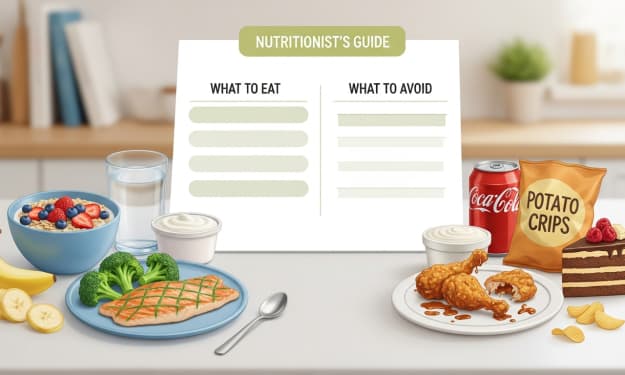
What to Eat (And Avoid) During Colon Cancer Treatment: A Nutritionist-Approved Guide
When undergoing colon cancer treatment, your diet is more important than ever. The right nutrition can support your immune system, reduce side effects, and even enhance the effectiveness of treatments like chemotherapy and radiation. But knowing what to eat and what to avoid can be overwhelming.
By Erika Phillips 7 days ago in Education
Surviving Cancer: Entering the Golden Alchemical Door to Teaching
It starts with love . . . Entering the Golden Door: Who Am I? Going through cancer treatments with chemo, a strange thing happened, for I started to forget things, even who I am because my wife ghosted me and my friends would have nothing to do with me. Without human contact, you forget what it means to be human. I am a professor at a university, but I forgot what I taught. . . .
By WILD WAYNE : The Dragon King2 days ago in Education



Comments
There are no comments for this story
Be the first to respond and start the conversation.