
Navigating the Keto Diet on a Budget: Money-Saving Tips and Affordable Meal Ideas
Smart Keto Shopping: Budget-Conscious Strategies for a Healthy Low-Carb Diet


The ketogenic diet has gained popularity in recent years for its potential benefits in weight loss, improved mental focus, and increased energy levels. However, one concern that some people may have when considering a keto diet is the cost. The perception that a low-carb, high-fat diet may be expensive can deter individuals from trying or sustaining a keto lifestyle. But fear not! With some strategic planning and budget-friendly tips, it's possible to follow a keto diet without breaking the bank. In this article, we will explore money-saving tips and affordable meal ideas to help you navigate the keto diet on a budget.
1. Plan Your Meals and Make a Grocery List:

Meal planning is a key strategy to save money on any diet, including keto. Before heading to the grocery store, plan your meals for the week and create a shopping list based on those meals. Stick to the list and avoid impulsive purchases that can quickly add up. Buy in bulk whenever possible, as it can save you money in the long run. Stock up on non-perishable keto staples such as nuts, seeds, coconut oil, and canned goods, which tend to have a longer shelf life and can be more cost-effective when purchased in larger quantities.
2. Focus on Affordable Keto-Friendly Foods:

While some specialty keto products can be expensive, there are plenty of affordable keto-friendly foods that can fit into your budget. Eggs are a great source of protein and healthy fats and are usually budget-friendly. Ground meat, such as ground beef, turkey, or chicken, is often more affordable than cuts of meat, making it a budget-friendly option for incorporating protein into your meals. Non-starchy vegetables like broccoli, cauliflower, and spinach are low in carbs and can be budget-friendly choices for adding fiber and nutrients to your meals. Frozen vegetables are also a good option as they tend to be more affordable than fresh vegetables and have a longer shelf life.
3. Cook at Home and Meal Prep:
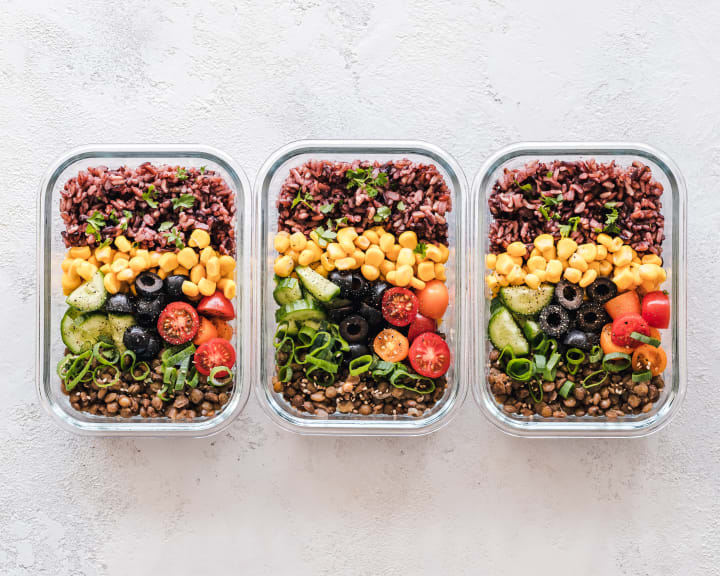
Eating out or relying on pre-packaged keto meals can quickly add up in terms of cost. Cooking at home and meal prepping can save you money while allowing you to have more control over the quality and cost of your meals. Look for simple keto recipes that use affordable ingredients and batch cook meals in advance to have ready-made meals throughout the week. Consider making larger portions of meals that can be repurposed into different dishes to minimize waste and stretch your budget.
4. Use Affordable Substitutes for Expensive Keto Ingredients:

Some specialty keto ingredients, such as almond flour, coconut flour, and MCT oil, can be expensive. However, there are affordable substitutes that can be used in place of these ingredients. For example, flaxseed meal or chia seeds can be used as a substitute for almond or coconut flour in certain recipes, and olive oil or avocado oil can be used as a substitute for MCT oil. Be creative and resourceful with your ingredient choices to stay within your budget while still enjoying delicious and nutritious keto meals.
5. Buy Locally and Seasonally:
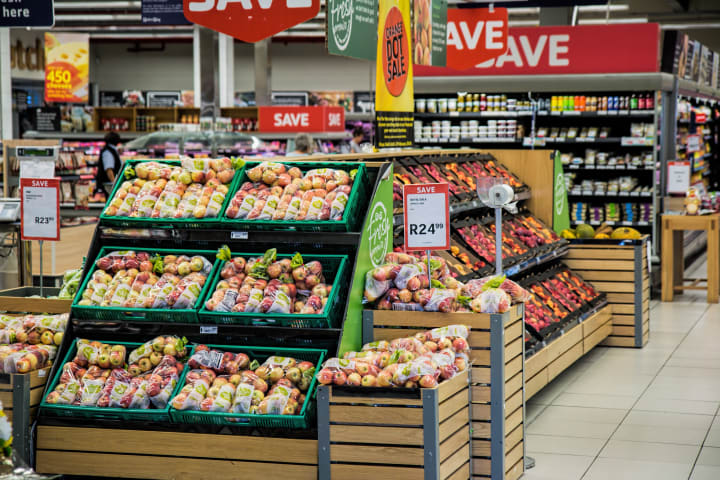
Shopping for produce at local farmers' markets or opting for seasonal produce can be more cost-effective compared to buying imported or out-of-season produce at grocery stores. Local and seasonal produce is often fresher and may have better nutritional value, and you may be able to find deals or discounts on bulk purchases. Additionally, consider growing your own herbs or vegetables at home, if possible, to save even more on your grocery bill.
Unlock the benefits of a Custom Keto Diet and optimize your health - Get started now!
6. Don't Waste Food:

Minimizing food waste is not only good for the environment but also for your budget. Plan your meals carefully to use up all the ingredients you buy, and repurpose leftovers into new meals. For example, leftover roasted chicken can be used in a keto-friendly chicken salad, and leftover roasted vegetables can be turned into a delicious frittata. Get creative with leftovers and make sure to use up all the ingredients to avoid unnecessary waste and stretch your budget.
7. Make Your Own Keto Snacks:

Store-bought keto snacks can be expensive, and their costs can quickly add up. Instead, consider making your own keto-friendly snacks at home. For example, you can make your own keto trail mix with nuts, seeds, and unsweetened coconut flakes, or bake your own keto-friendly cookies using almond flour or coconut flour. Homemade snacks not only allow you to control the ingredients and macros, but they can also be more cost-effective compared to store-bought options.
8. Prioritize Nutrient-Dense Foods:
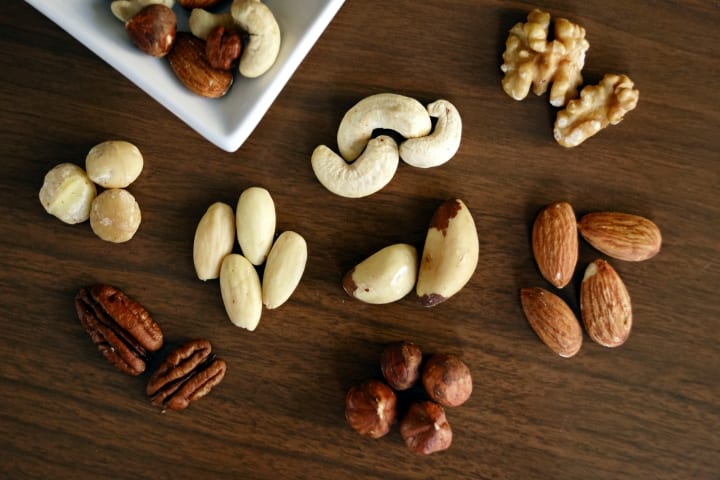
While some keto-friendly foods can be expensive, it's important to prioritize nutrient-dense foods that provide the most bang for your buck in terms of nutrition. Instead of spending money on processed keto-friendly snacks or foods with minimal nutritional value, focus on whole foods that are rich in essential nutrients. Eggs, avocados, leafy greens, nuts, and seeds are examples of nutrient-dense foods that can provide a lot of nutritional value for your money. These foods can also keep you feeling fuller for longer, reducing the need for frequent snacking and helping you stay within your budget.
9. Stay Hydrated:

Hydration is important on any diet, including keto. Drinking enough water can help you stay fuller, reduce cravings, and prevent unnecessary snacking. It's also a cost-effective option compared to sugary drinks or expensive keto-friendly beverages. If you find plain water boring, you can infuse it with flavors using fresh lemon, cucumber, or mint to make it more enjoyable without adding any extra cost.
10. Don't Be Afraid to Meal Swap or Modify Recipes:
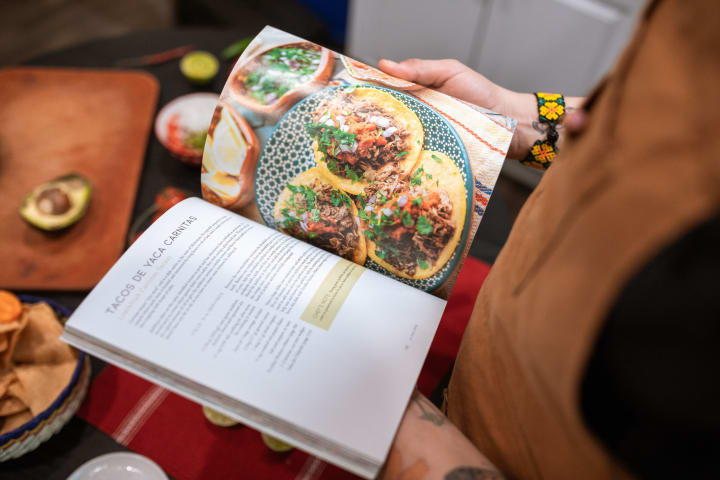
Following keto recipes exactly as written can sometimes be costly, especially if they call for expensive ingredients. Don't be afraid to swap or modify recipes to fit your budget. For example, if a recipe calls for expensive cuts of meat, you can opt for more affordable cuts or use ground meat instead. You can also adjust the portions of ingredients to make the recipe more budget-friendly. Flexibility and creativity in the kitchen can help you stay within your budget while still enjoying delicious and satisfying keto meals.
In conclusion, following a keto diet on a budget is possible with some strategic planning and budget-friendly tips. By planning your meals, focusing on affordable keto-friendly foods, cooking at home, using affordable substitutes, buying locally and seasonally, minimizing food waste, making your own snacks, prioritizing nutrient-dense foods, staying hydrated, and being flexible with recipes, you can enjoy the benefits of a keto diet without breaking the bank. With a little creativity and resourcefulness, you can successfully navigate the keto diet on a budget and achieve your health and wellness goals.
Note: This article contains affiliate links. If you choose to click on them and make a purchase, I may earn a commission at no additional cost to you. I only endorse products/services that I personally use and believe in, and your support through these links helps to keep this website running. Thank you for your support! Please feel free to click on the links without hesitation if you find them helpful.
About the Creator
Keep reading
More stories from Navi Pudhvoth and writers in Education and other communities.
Lose Weight Without Exercise: 10 Effective Tips for a Healthier You
Losing weight is a common goal for many people, but not everyone may be able to engage in regular exercise due to physical limitations, lack of time, or personal preferences. However, the good news is that exercise is not the only way to achieve weight loss. In this article, we will explore 10 effective tips to shed those extra pounds without relying on exercise, while prioritizing your health and well-being.
By Navi Pudhvoth3 years ago in Education
Expert Banking Digital Signage Energizes Customers
I'll never forget walking into my local branch last Tuesday morning, dreading the usual 20-minute wait just to deposit a check. Instead, I was greeted by a vibrant digital display showing my wait time (3 minutes!), current mortgage rates, and a helpful video about mobile banking features I didn't even know existed. That visit took seven minutes total, and I left with a new savings account. That's the power of banking digital signage done right.
By Jerry Kane 2 days ago in Education




Comments
There are no comments for this story
Be the first to respond and start the conversation.