
MYTHS ABOUT SLEEPING POSITIONS
The Importance of Sleeping Positions: Proper sleep positions are crucial for spinal alignment and overall comfort.

1. **Hitting Snooze**: Hitting the snooze button may feel like it gives you a bit more rest, but it actually fragments your sleep. This disruption can prevent you from completing important sleep cycles, particularly REM sleep, which is crucial for cognitive functions such as memory and problem-solving. Fragmented sleep can lead to increased daytime sleepiness, reduced alertness, and even negative impacts on mood and physical health. It’s more effective to set your alarm for the time you need to wake up and get up immediately, even if it means adjusting your nighttime routine to ensure you’re getting enough sleep.
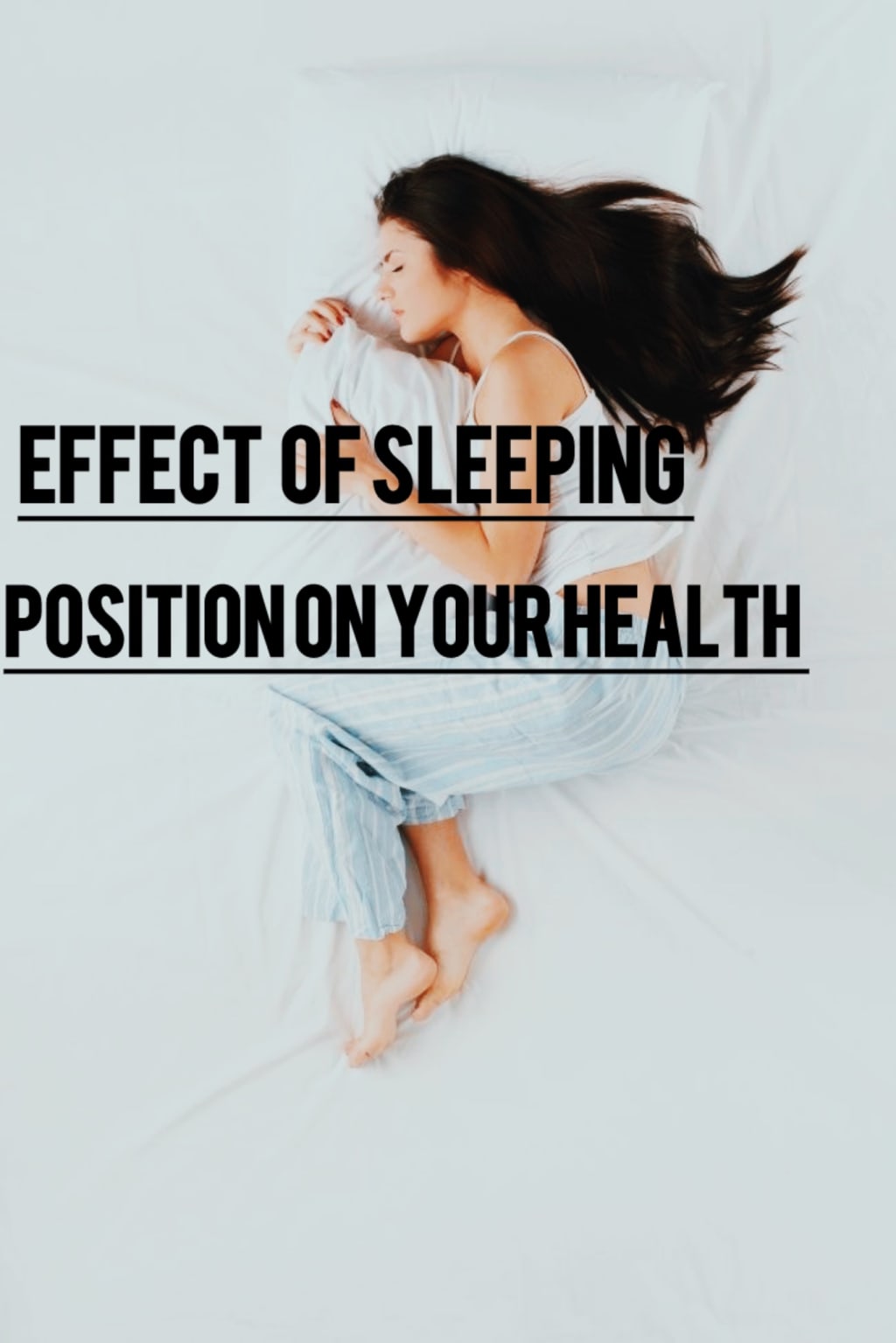
2. **Sleeping Positions**: Proper sleep position is important for maintaining spinal alignment and overall comfort. Side sleeping is often recommended because it reduces pressure on the back and organs and can help reduce snoring and acid reflux. Sleeping on your back can be problematic for people with sleep apnea because it can lead to airway obstruction. For pregnant individuals, sleeping on the left side is recommended as it improves blood flow and reduces pressure on the uterus. Using supportive pillows can enhance comfort and alignment in various positions.
3. **Jet Lag**: Jet lag occurs when there is a mismatch between your internal body clock and the new time zone. Staying up all night doesn’t help; it just worsens sleep deprivation. Instead, gradually shift your sleep schedule before traveling to align with your destination’s time zone. Upon arrival, expose yourself to natural light, which helps regulate your internal clock. Avoid alcohol and caffeine close to bedtime, as they can interfere with sleep quality. Maintaining good sleep hygiene and sticking to your new schedule helps minimize the effects of jet lag.
4. **Napping**: Naps can be beneficial but should be kept short—ideally 20 minutes—to avoid grogginess and interference with nighttime sleep. Longer naps can disrupt your regular sleep patterns and lead to difficulties falling asleep at night. If you didn’t get enough nighttime sleep, consider adjusting your overall sleep schedule rather than relying on naps to make up for it. For those with chronic sleep deprivation, addressing the root causes and improving nighttime sleep is crucial.
5. **Melatonin**: Melatonin is a hormone that helps regulate the sleep-wake cycle by signaling that it’s time to sleep. While melatonin supplements can be helpful for some people, they are not a quick fix. They should be taken 2-4 hours before bedtime to align with your body’s natural sleep rhythms. The dosage should be small, as high doses can be counterproductive and may lead to side effects. Always consult with a healthcare provider to determine the appropriate use and dosage based on individual needs.
6. **Recovery from All-Nighters**: While it might be tempting to sleep in after pulling an all-nighter, it’s more beneficial to get back to your normal sleep schedule as soon as possible. This helps stabilize your circadian rhythm and improves overall sleep quality. A short nap can help alleviate immediate fatigue, but try to avoid sleeping excessively or irregularly, as it can further disrupt your sleep patterns. For older adults, recovery might take longer due to age-related changes in sleep architecture.
7. **Dream Duration**: Dreams vary widely in duration and intensity. While they can range from a few seconds to several minutes, the perception of time in dreams is not always accurate. Dreams are often remembered when they involve strong emotions or personal significance. Keeping a dream journal can help you track patterns and gain insights into your subconscious thoughts and feelings. Additionally, maintaining good sleep quality can lead to more vivid and memorable dreams.
8. **Snoring and Sleep Apnea**: Snoring is a common issue but not always indicative of sleep apnea. Obstructive sleep apnea (OSA) is a serious condition where the airway becomes partially or completely blocked during sleep, leading to breathing pauses and poor sleep quality. If snoring is accompanied by excessive daytime sleepiness, morning headaches, or difficulty staying asleep, it’s important to consult with a healthcare professional. Diagnosis typically involves a sleep study, and treatment may include lifestyle changes, CPAP therapy, or other medical interventions.
9. **Insomnia**: Insomnia is characterized by difficulty falling asleep, staying asleep, or waking up too early. It can be classified into different types, such as sleep onset insomnia (difficulty falling asleep) and sleep maintenance insomnia (difficulty staying asleep). Cognitive Behavioral Therapy for Insomnia (CBT-I) is a highly effective treatment that focuses on changing sleep habits and addressing thoughts that interfere with sleep. Pharmacological treatments can also be considered, but they are usually recommended as a last resort after behavioral therapies have been explored.
10. **Good Sleepers**: A good sleeper typically takes 15-20 minutes to fall asleep and maintains consistent sleep patterns throughout the night. If you fall asleep immediately, it might indicate that you’re sleep deprived. Optimal sleep duration varies by individual, but most adults need 7-9 hours per night. Monitoring how you feel during the day, your mood, and your energy levels can help you determine if your sleep quantity and quality are adequate.
11. **More Sleep**: Excessive sleep, especially if it deviates significantly from your regular schedule, can disrupt your circadian rhythm and affect overall sleep quality. Consistency is key in maintaining a healthy sleep cycle. It’s important to find a balance that works for you and ensures that you wake up feeling refreshed and alert. Instead of focusing solely on the amount of sleep, prioritize maintaining a regular sleep schedule and creating a restful sleep environment.
12. **Nightmares vs. Night Terrors**: Nightmares are distressing dreams that occur during REM sleep and are often linked to stress or trauma. Night terrors, however, are episodes of intense fear or panic during non-REM sleep and involve physical symptoms like thrashing or screaming. Night terrors are more common in children and usually resolve with age. If nightmares or night terrors are frequent or severe, they may indicate underlying stress or other issues that may benefit from professional evaluation and treatment.
Understanding these aspects of sleep can help you make informed decisions about improving your sleep hygiene and overall well-being. If you have persistent sleep issues, consulting with a sleep specialist can provide personalized guidance and treatment options.
About the Creator
Goodness Anastasia
A dedicated medical expert committed to providing insightful and accessible health tips designed to help readers make informed decisions about their well being⚕️🩺👩⚕️
Keep reading
More stories from Goodness Anastasia and writers in Education and other communities.
HOW SLEEP DEPRIVATION AFFECTS THE BRAIN
The Importance of Sleep and the Consequences of Sleep Deprivation** In today's fast-paced world, many people struggle to get a full night’s rest. The modern lifestyle often leads to chronic sleep deprivation, which brings about more than just a feeling of grogginess. While a cup of coffee or an energy drink might offer temporary relief, the repercussions of insufficient sleep extend far beyond mere fatigue. Recent research reveals that the consequences of sleep deprivation are far more serious and can significantly impact both physical and mental health.
By Goodness Anastasiaabout a year ago in Education
The Lean Advantage: How Small Improvements Create Massive Business Wins
In today’s fast-moving market, businesses don’t always need massive overhauls to see major growth. The real competitive advantage often comes from Lean process improvement—small, consistent changes that reduce waste, improve speed, and strengthen customer value. With a proactive approach, companies can spot inefficiencies early, prevent recurring problems, and build smarter systems before minor issues become costly setbacks.
By Duke Valentour5 days ago in Education
The Path to Salvation
The late autumn evening air filled the monk's lungs, but it wasn't the season that chilled his bones. The heavy-handed presence of evil he had sensed upon entering the woods surrounding this mountain village had not bothered to conceal itself from him.
By Made in DNA2 days ago in Fiction



Comments
There are no comments for this story
Be the first to respond and start the conversation.