
My experiences with sleep paralysis, causes and tips to help you with sleep paralysis.
What is sleep paralysis?

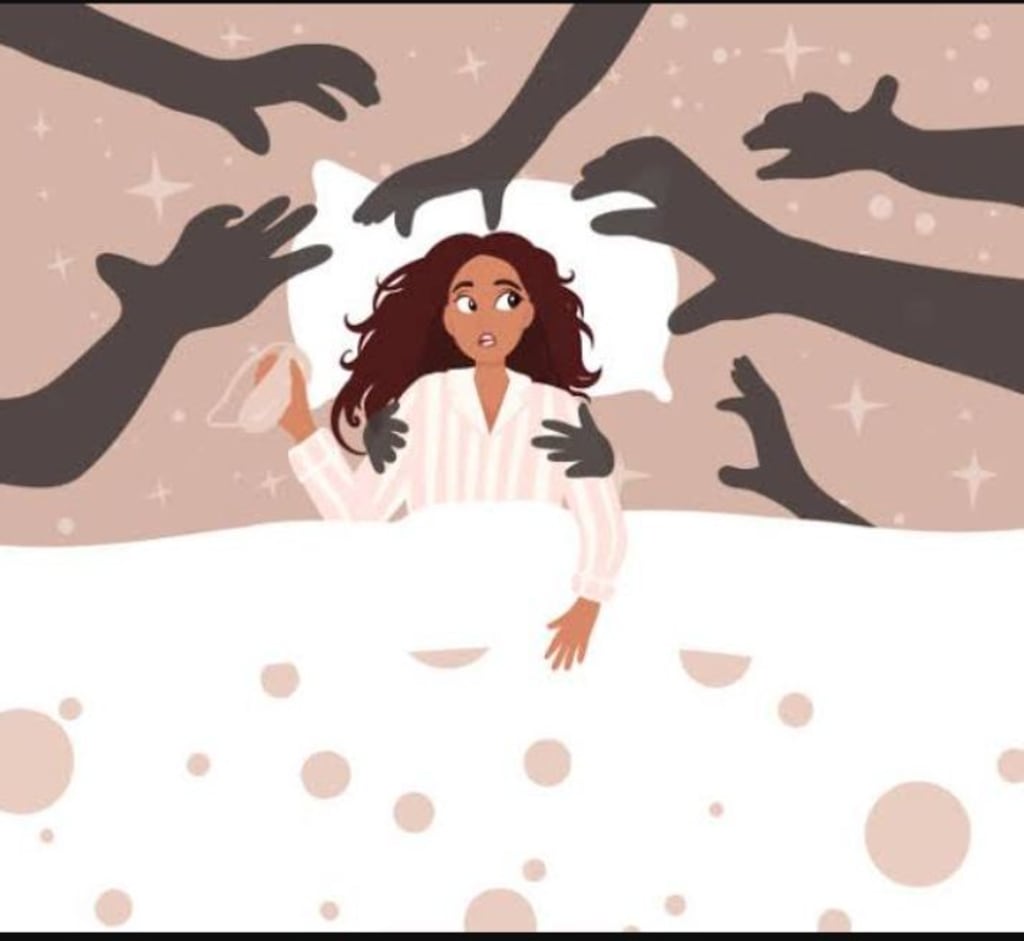
Sleep paralysis is a condition in which a person experiences paralysis of the body, often accompanied by hallucinations, during the transition between sleep and wakefulness. It occurs when the body is entering or leaving the rapid eye movement (REM) stage of sleep, during which the brain is active and vivid dreaming occurs. During REM sleep, the body is in a state of paralysis to prevent acting out of dreams, but in cases of sleep paralysis, the person becomes aware while still in this state, causing a feeling of helplessness and fear. It is often associated with other sleep disorders, mental health conditions, and substance abuse.
I am familiar with the terror of sleep paralysis. Even Kendall Jenner has experienced it, but instead of sharing her story, I will share my own. In 2010, I was studying hard for my medical school entrance exam and had developed bad habits like stress, anxiety, depression, and lack of sleep. I had trouble falling asleep and would wake up early, often experiencing total paralysis. One night, I woke up before my alarm, unable to move or speak. I felt suffocated by something on my chest and began to hallucinate. A shadowy presence appeared before me, and I panicked.
The human sleep cycle has three distinct phases. During wakefulness, the brain is highly active, receiving signals from sensory organs and generating experiences like vision, sound, and touch. The brain also sends neurotransmitters to excite the cerebral cortex where vivid experiences are generated, and it keeps the muscles active so we can carry out actions. Non-REM sleep is the second phase when the sleep center in the hypothalamus secretes GABA and shuts down the ascending reticular formation, shutting down the brain's higher centers and halting vivid experiences. The third phase is REM or rapid eye movement sleep. Here, the higher centers become active again, generating vivid experiences like dreams. The brain also secretes glycine and GABA to put the body into a temporary state of paralysis, affecting all muscles except the eye and respiratory muscles.
Sleep paralysis occurs during REM sleep, when the body is in paralysis. If you suddenly wake up during this phase, you may feel as if something is sitting on your chest. Three types of hallucinations are associated with sleep paralysis: intruder type hallucinations, autoscopic hallucinations, and incubus hallucinations. Factors that contribute to sleep paralysis include poor sleep, stress, anxiety, and substance abuse. Narcolepsy, obstructive sleep apnea, and other sleep disorders are also known causes. Treatment options include medications like SSRIs, TCAs, pimavanserin, and GHB, as well as cognitive-behavioral therapy and psychiatric medications. k
sleep paralysis can be an overwhelming experience because it makes you feel helpless and unable to move or speak. If you're struggling with sleep paralysis, here are some tips that can help alleviate the symptoms:
Firstly, try to establish a consistent sleep routine. Set a regular bedtime and wake up time to regulate your circadian rhythm and promote healthier sleep patterns. Make sure your sleeping environment is comfortable, quiet, and cool to ensure quality sleep.
Secondly, avoid stimulating activities before bedtime, such as using electronic devices, watching TV, or drinking caffeine. These can interfere with your sleep and trigger sleep paralysis.
Thirdly, use relaxation techniques such as deep breathing, meditation, or yoga to calm your mind before going to bed. If you tend to sleep on your back, try changing your position as sleeping on your back has been linked with sleep paralysis.
Lastly, if sleep paralysis persists or causes anxiety, consider consulting your doctor to rule out any underlying medical conditions.
By following these simple tips, you can manage sleep paralysis episodes and improve the quality of your sleep.
About the Creator
Keep reading
More stories from David Brown and writers in Education and other communities.
The State of the LGBTQ Community: Progress, Challenges, and Hope in 2023
The LGBTQ community has come a long way in recent years but has also faced numerous obstacles in their quest for equality. The year 2023 brings both hope and challenges for this community, as they continue to push for inclusivity and acceptance in all aspects of society.
By David Brown3 years ago in Pride
The One Lighting Move That Instantly Makes Your Photos Look Better
Photography advice often focuses on complex settings, advanced editing, or buying better equipment. While those things can help, they often distract from something far more powerful and immediate. One simple lighting habit can dramatically improve almost every photo you take, whether you’re shooting with a phone or a professional camera.
By Kelln Small4 days ago in Education
Managing Anxiety During Exams: A Student’s Guide
Exams are one of the most common sources of stress for students at every level. Even the most prepared individuals often feel nervous before or during a test. Exam anxiety is natural — it’s the body’s way of preparing for a challenge — but excessive stress can interfere with focus, memory recall, and overall performance. Understanding the causes of anxiety and learning effective coping strategies can make a significant difference. This guide provides practical, evidence-based techniques to manage stress before, during, and after exams.
By Games Mode On5 days ago in Education
Thoughts on Vocal and the way the world is
"Death cannot stop true love, only delay it." – Wesley in The Princess Bride. I decided to come back to Vocal on a very cold and dark night at the end of December. I had been, and still am, convalescing from a horrible staph infection that had gone misdiagnosed for months. This, paired with the increasing challenges of being healthy, making the best choices for my co-parented child, being a wife, and being a director at a new job, was a lot to manage.
By Jazzy 6 days ago in Confessions




Comments
There are no comments for this story
Be the first to respond and start the conversation.