
Managing Anxiety During Exams: A Student’s Guide
Proven Strategies to Stay Calm, Focused, and Confident on Test Day


Exams are one of the most common sources of stress for students at every level. Even the most prepared individuals often feel nervous before or during a test. Exam anxiety is natural — it’s the body’s way of preparing for a challenge — but excessive stress can interfere with focus, memory recall, and overall performance. Understanding the causes of anxiety and learning effective coping strategies can make a significant difference. This guide provides practical, evidence-based techniques to manage stress before, during, and after exams.
Understanding Exam Anxiety
Exam anxiety is a psychological and physiological response to perceived pressure. When facing a test, your body triggers the “fight or flight” response, releasing stress hormones such as cortisol and adrenaline. These hormones prepare you to face a challenge, increasing heart rate, sharpening certain senses, and boosting alertness.
While this response is helpful in moderation, excessive anxiety can impair cognitive function. Students may experience racing thoughts, blanking on answers, or difficulty concentrating. Physical symptoms include rapid heartbeat, sweaty palms, shallow breathing, and tension headaches. Recognizing these signs early is crucial for preventing stress from affecting performance.
Preparing Effectively: Reduce Anxiety Before Exam Day
Proper preparation is one of the most effective ways to reduce exam anxiety. Feeling confident in your knowledge reduces the fear of the unknown, which is a major contributor to stress.
Organize Your Study Schedule
Break material into manageable sections and create a realistic study timetable. Use a planner or digital app to schedule short, focused sessions rather than long, exhausting ones. This prevents last-minute cramming and helps reinforce information through repetition.
Practice Active Learning
Passive reading is less effective than active engagement. Summarize notes in your own words, teach concepts to a peer, or create flashcards. Practice exams under timed conditions simulate the test environment, helping your brain adapt to pressure.
Prioritize Sleep and Nutrition
Cognitive function is heavily influenced by physical health. Aim for 7–9 hours of sleep nightly, especially in the week leading up to the exam. Eating balanced meals with complex carbohydrates, protein, and healthy fats maintains energy and stabilizes blood sugar levels. Avoid excessive caffeine or sugar, which can increase nervousness.
Mental Preparation and Positive Self-Talk
Visualization and positive affirmations are powerful tools. Replace negative thoughts like “I can’t do this” with “I’ve prepared and I can handle this.” Visualize yourself confidently answering questions and completing the exam successfully — this primes your mind for calm, focused performance.
Exam Day Strategies: Staying Calm and Focused
Even with preparation, anxiety can still appear on the day of the exam. Implementing strategies in real time helps maintain composure.
Controlled Breathing
Deep, slow breathing activates the parasympathetic nervous system, reducing stress. A simple technique: inhale for four counts, hold for four counts, exhale for six counts, and repeat for a minute before or during the exam.
Mindful Awareness
Use grounding techniques to stay present. Notice the feeling of your feet on the floor, the texture of your pen, or your surroundings. This shifts attention away from anxious thoughts about the outcome.
Time Management and Question Approach
Begin with easier questions to build confidence and secure marks early. Allocate time wisely for more challenging sections. Skipping questions briefly and returning to them prevents wasted time and reduces panic.
Maintain a Positive Mindset During the Test
Avoid comparing yourself to peers or fixating on answers you’re unsure about. Focus on one question at a time and apply the knowledge you’ve practiced.
Post-Exam Recovery and Reflection
How you respond after the exam affects your stress for future tests. Many students dwell on mistakes, which increases anxiety for upcoming assessments. Instead:
Avoid Overthinking
Accept that no exam is perfect. Mistakes are part of learning.
Reward Yourself
Take a break, enjoy a hobby, or spend time with friends and family. Rewarding yourself reinforces positive coping mechanisms.
Reflect Strategically
Review what strategies worked and where you can improve. This reflection helps reduce anxiety for the next exam by making preparation more effective.
Long-Term Anxiety Management
Managing exam anxiety is not just about one test — it’s about building habits for long-term mental resilience.
Mindfulness and Meditation
Daily 5–10 minute mindfulness practices can lower cortisol levels, improve focus, and strengthen emotional regulation. Simple guided meditations or breathing exercises are highly effective.
Regular Physical Activity
Exercise reduces stress hormones and releases endorphins, boosting mood and focus. Even 20–30 minutes of moderate activity, like walking or yoga, can improve mental clarity.
Study in Focused Bursts (Pomodoro Technique)
Short, concentrated study periods with regular breaks improve retention and prevent burnout. For example, 25 minutes of studying followed by a 5-minute break.
Seek Support When Needed
Talking to teachers, counselors, or mentors about anxiety can provide guidance and reassurance. Peer study groups also offer accountability and social support, which reduces stress.
Understanding the Role of Mindset
Research shows that students’ beliefs about anxiety can affect outcomes. Viewing nervousness as a sign that your body is preparing you for optimal performance — rather than as a handicap — can improve focus and test scores. Cognitive reframing, the process of changing how you interpret stress, is a key skill for both exams and life challenges.
Conclusion
Exam anxiety is normal, but it doesn’t have to hinder performance. By combining proper preparation, physical and mental health practices, real-time coping strategies, and reflection, students can transform stress into a motivator. Understanding your body’s response to anxiety and applying evidence-based techniques empowers students to approach exams calmly, confidently, and with greater control.
Remember, exams measure knowledge, not self-worth. With practice and consistency, you can develop habits that not only improve test performance but also strengthen lifelong resilience against stress.
About the Creator
Keep reading
More stories from Games Mode On and writers in Education and other communities.
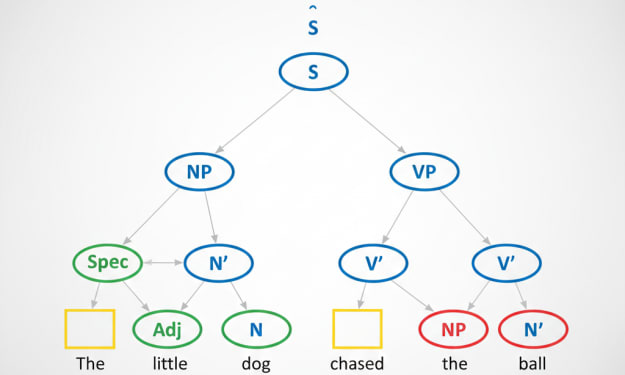
Mastering X-Bar Theory in Grammar in 10 Minutes
Grammar can often feel like a maze of confusing rules, especially when we dive into syntax — the study of sentence structure. One of the foundational tools in modern linguistics is X-Bar Theory, a framework that helps explain how words and phrases combine to form sentences. While it might sound intimidating, understanding X-Bar Theory can become straightforward if approached step by step.
By Games Mode Onabout 2 hours ago in Education
How to Succeed at the Benson Directory®
Congratulations and welcome to the Benson Directory® employee #22391! As our newest call handler, you will have the privilege of speaking with dozens of unique and interesting people on a daily basis as well as the opportunity to earn bonuses for high performance. Contained within this handbook you will find a set of ease to follow instructions designed to help you settle in to your new role and begin paving the way to success.
By S. A. Crawford2 days ago in Fiction


Comments
There are no comments for this story
Be the first to respond and start the conversation.