
Museums is the Social, Cultural, and Educational
Museums function as essential social, cultural, and educational institutions.

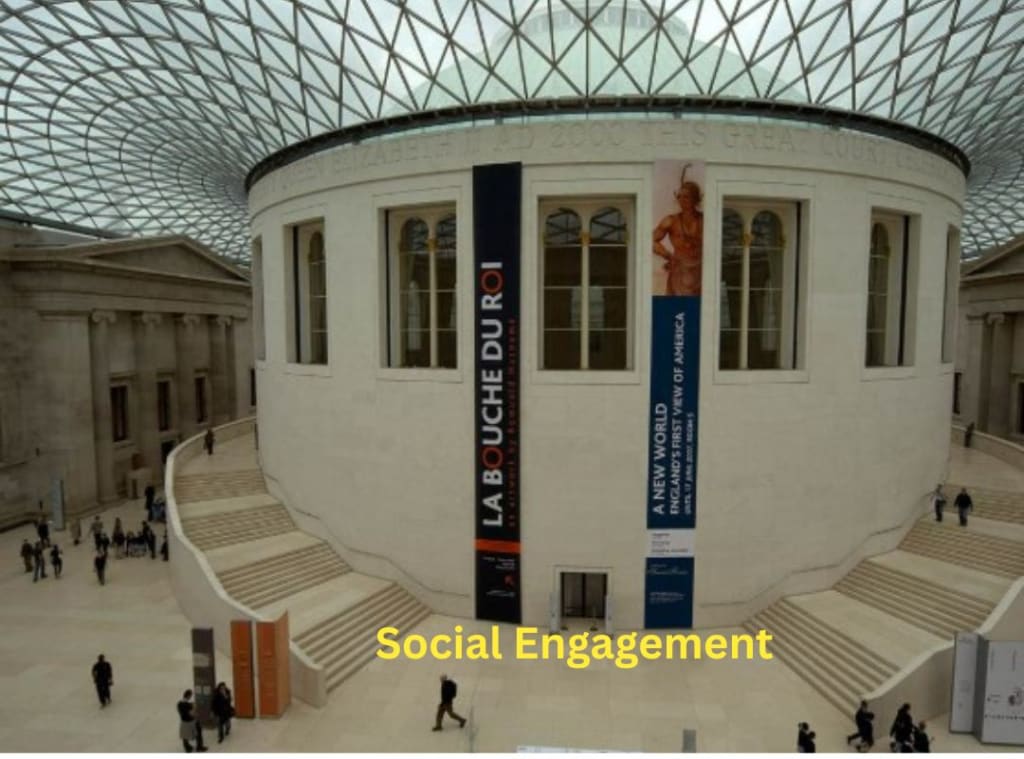
The Core of Our Cultural, Social, and Educational Identity: Museums
Museums are much more than just structures with exhibits and relics. They are essential organizations that uphold education, protect our common heritage, and provide a sense of social cohesion. In a world where globalization, technology, and cultural variety are interacting at previously unheard-of levels, museums are essential for helping people learn throughout their lives, connect with their heritage, and expand their knowledge of other cultures.
Maintaining Cultural Heritage
The preservation and protection of cultural assets is one of a museum's most important functions. Museums contain a vast array of artifacts that chronicle the evolution of human civilization, ranging from ancient sculptures to contemporary artwork, from conventional tools to digital media. These relics are tangible reminders of the lives, ideals, hardships, and accomplishments of our ancestors; they are not just ancient or priceless.
Museums contribute to the continuity of human history through the preservation of these cultural components. They provide context for our contemporary social and cultural circumstances, enabling us to see where we have come from. Additionally, its preservation aids minority cultures in defending their customs against marginalization or modernization. Museums serve as cultural stewards in this way, making sure that no period of human history is overlooked.
Promoting Critical Thinking and Education
The primary goal of any museum is education. Museums are non-formal educational settings that enhance conventional schooling. They convey knowledge in interesting, concrete methods that frequently promote storytelling, emotional connection, and hands-on engagement. A trip to a museum can help kids of all ages translate abstract ideas into vivid, practical examples.
Museums encourage curiosity and critical thinking, whether visitors are learning about the physics of flight at a science museum, ancient rites at an anthropology display, or the evolution of languages at a cultural center. They encourage people to conduct research, pose questions, and develop their own theories about society and history.
Additionally, museums integrate technology to meet the demands of modern education by providing interactive displays, virtual tours, and even augmented reality experiences. These developments increase accessibility and guarantee museums' continued relevance in a world that is becoming more and more digital.
Increasing Identity and Social Connection
Museums are places for social interaction. They bring together individuals of diverse ages, backgrounds, and faiths to discuss shared narratives. It is common to go to museums with friends, family, classmates, or even complete strangers; it is not just a solo experience. Visitors can develop a feeling of shared identity and belonging through group exhibition exploration, conversations, and workshops.
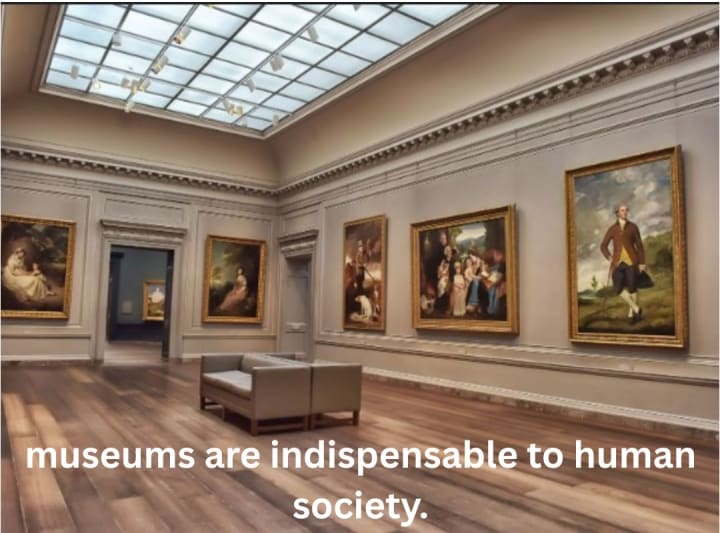
Museums can serve as a unifying and healing force in heterogeneous societies. They provide a forum for various communities to exchange tales and gain knowledge from one another. Exhibits that showcase marginalized populations, immigrant narratives, or indigenous cultures promote respect, understanding, and communication.
Additionally, museums have the ability to address current social issues. Museums promote critical thinking and civic engagement by organizing exhibitions on issues like gender equality, racial justice, and climate change. In this sense, they actively contribute to the formation of our social consciousness rather than serving as passive archives of the past.
Motivating Upcoming Generations
Museums act as intergenerational bridges. They transmit values, information, and tales from the past to the present. For kids and young people, going to a museum can be a life-changing event. It has the power to ignite a passion or perhaps a career in history, art, science, or culture.
Young learners' programs frequently blend teaching and entertainment to make learning fun and memorable. By doing this, museums contribute significantly to the development of knowledgeable, inquisitive, and culturally conscious citizens. Museums contribute to the survival of cultural knowledge by fostering a sense of connection among youth between their heritage and the wider world.
Interconnectedness and a Global Perspective
Museums serve as global cultural ambassadors in a globalized society. They work internationally, organize traveling exhibitions, and take part in international discussions on ethics, repatriation, and cultural preservation. Through these initiatives, they serve as a reminder that, despite cultural differences, human values and experiences frequently cut across national borders.
Mutual understanding and cultural diplomacy are fostered by museums' global reach. Through mutual understanding and respect, it promotes peace and collaboration by bridging cultural and national divides.
In conclusion
Museums are vibrant places where education, culture, and community come together; they are not merely repositories of artifacts. Both the formation of personal identity and the formation of social memory depend on them. By keeping us rooted in the past while pointing us in the direction of the future, they provide stability and continuity at a period of rapid change.
Museums are essential to human society because they serve as hubs for social interaction, education, and cultural preservation. They serve as a reminder that knowledge is power, that our stories are important, and that by comprehending our varied pasts, we can create a more enlightened and inclusive world. It is not merely an act of curiosity to support museums, visit them, and use their resources; doing so adds to the continuing narrative of humanity.
About the Creator
Md Foiz Ullah
Hi, I'm Md Foiz Ullah, a passionate storyteller and content creator exploring the worlds of trending article, personal growth, lifestyle, etc. I believe in the power of words to connect, inspire, and challenge perspectives.
Keep reading
More stories from Md Foiz Ullah and writers in Education and other communities.
High blood pressure is the number one health problem worldwide.
High Blood Pressure: Understanding, Prevention, and Management High Blood Pressure, also known as Hypertension, is a common yet serious medical condition that significantly increases the risk of heart disease, stroke, kidney disease, and other health problems. Often called the "silent killer" because it typically presents no symptoms, managing blood pressure is crucial for long-term health and well-being.
By Md Foiz Ullah8 months ago in Education
Tech on the Move: How Mobile Response Technology Transforms Disaster Relief Operations
Disaster relief operations have always required speed, accuracy, and adaptability. Yet as emergencies grow more frequent and more complex, traditional relief methods often fall short. Communities face collapsing infrastructure, mass displacement, communication failures, and urgent medical needs. In this challenging environment, mobile response technology has emerged as a game-changer. From mobile command centers to portable medical units and satellite-based communication tools, these technologies bring critical support directly into disaster zones. Their mobility and advanced capabilities are reshaping how responders work, strengthening coordination, and accelerating recovery.
By Convoy of Hopea day ago in Education



Comments
There are no comments for this story
Be the first to respond and start the conversation.