
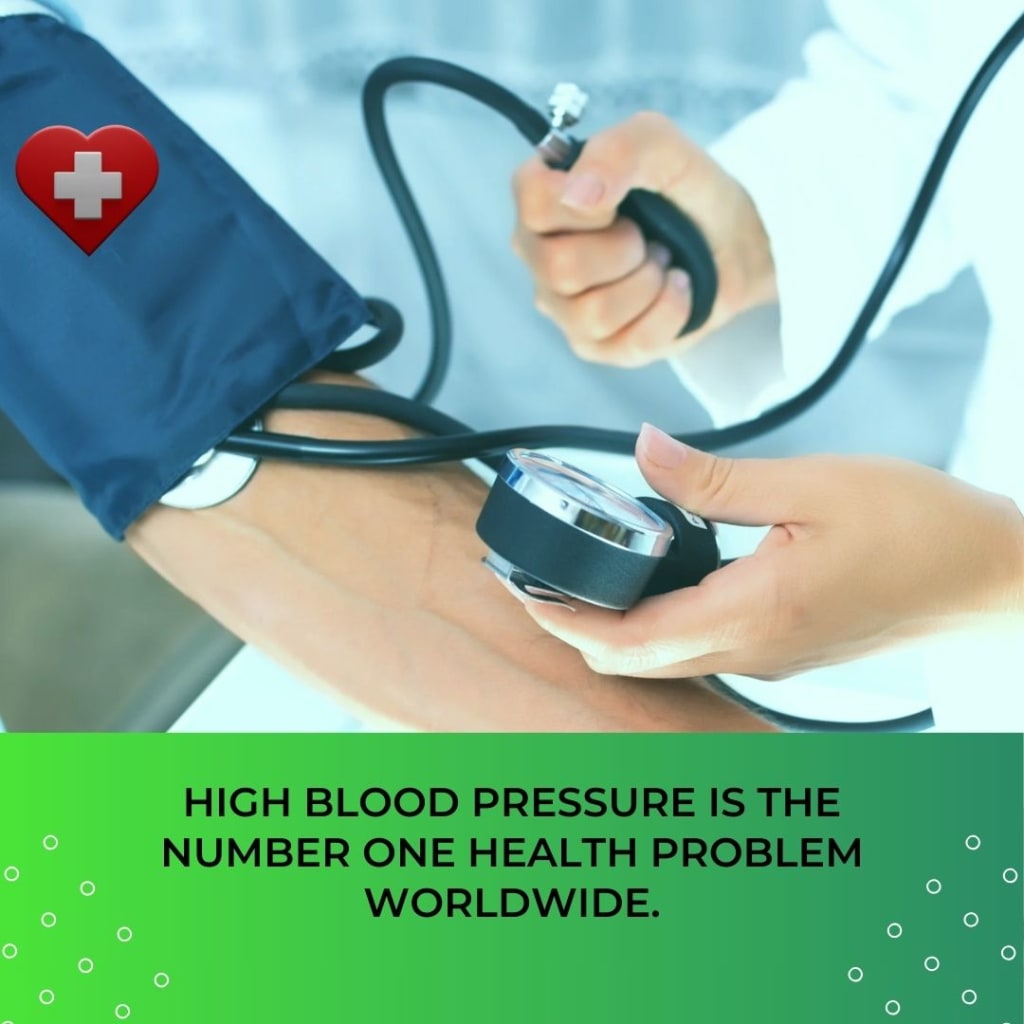
High blood pressure is the number one health problem worldwide.
High blood pressure

High Blood Pressure: Understanding, Prevention, and Management
High Blood Pressure, also known as Hypertension, is a common yet serious medical condition that significantly increases the risk of heart disease, stroke, kidney disease, and other health problems. Often called the "silent killer" because it typically presents no symptoms, managing blood pressure is crucial for long-term health and well-being.
What Is High Blood Pressure?
Blood pressure is the force of blood pushing against the walls of your arteries. It’s measured in millimeters of mercury (mmHg) and recorded with two numbers:
Systolic pressure (top number): Pressure when the heart beats.
Diastolic pressure (bottom number): Pressure when the heart rests between beats.
Normal blood pressure: Less than 120/80 mmHg
High blood pressure (hypertension): 130/80 mmHg or higher
Causes and Risk Factors
Several factors can contribute to the development of high blood pressure:
Unhealthy diet (high in salt, fat, or cholesterol)
Lack of physical activity
Overweight or obesity
Smoking and alcohol use
Chronic stress
Genetics and age
Underlying conditions (e.g., diabetes, kidney disease)
Symptoms of High Blood Pressure
Most people with high blood pressure experience no symptoms. However, in severe cases, symptoms may include:
Headaches
Dizziness
Chest pain
Blurred vision
Shortness of breath
Nosebleeds
Because symptoms are rare, regular monitoring is essential.
Complications of Uncontrolled High Blood Pressure
If left untreated, high blood pressure can lead to:
Heart disease (heart attack, heart failure)
Stroke
Kidney failure
Eye damage
Cognitive decline or dementia
Protection and Prevention Strategies
1. Healthy Diet
Reduce salt intake: Aim for less than 2,300 mg/day (ideally 1,500 mg)
Eat more fruits and vegetables
Choose whole grains, lean proteins, and low-fat dairy
Follow the DASH diet (Dietary Approaches to Stop Hypertension)
2. Regular Physical Activity
At least 150 minutes of moderate exercise or 75 minutes of vigorous activity per week
Activities include walking, swimming, cycling, dancing, and yoga
3. Maintain a Healthy Weight
Losing even a small amount of weight can reduce blood pressure
Aim for a BMI between 18.5–24.9
4. Limit Alcohol and Quit Smoking
No more than 1 drink per day for women and 2 for men
Quitting smoking improves heart health and reduces blood pressure
5. Stress Management
Practice relaxation techniques: deep breathing, meditation, mindfulness, or hobbies
Maintain a healthy work-life balance
6. Regular Monitoring
Check blood pressure regularly at home or during doctor visits
To protect yourself from high blood pressure (hypertension), the goal is to either prevent it from developing or keep it under control if you already have it. Here are the key ways to protect yourself from high blood pressure:
1. Eat a Heart-Healthy Diet
Focus on:
Fruits and vegetables
Whole grains
Low-fat dairy
Lean proteins (chicken, fish, legumes)
Nuts and seeds
Limit:
Salt (sodium) – Aim for less than 1,500–2,300 mg/day
Sugary foods and drinks
Saturated and trans fats
Processed and fast foods
Consider following the DASH Diet (Dietary Approaches to Stop Hypertension), which is proven to lower blood pressure.
2. Stay Physically Active
Do at least 30 minutes of moderate activity most days of the week (like brisk walking, cycling, or swimming).
Regular exercise strengthens your heart and helps lower blood pressure.
3. Maintain a Healthy Weight
Losing even 5–10% of your body weight can significantly reduce blood pressure.
Keep your BMI in the healthy range (18.5–24.9).
4. Avoid Tobacco
Smoking damages blood vessels and raises blood pressure.
Quit smoking to protect your heart and blood pressure.
5. Limit Alcohol Consumption
Men: No more than 2 drinks/day
Women: No more than 1 drink/day
Excess alcohol raises blood pressure and reduces the effectiveness of medications.
6. Manage Stress
Practice relaxation techniques such as:
Deep breathing
Meditation or prayer
Yoga or tai chi
Spending time in nature
Chronic stress can contribute to high blood pressure.
7. Monitor Blood Pressure Regularly
Check your blood pressure at home or visit a clinic.
Early detection helps in taking action before it becomes serious.
8. Follow Your Doctor’s Advice
Take prescribed medications consistently, if needed.
Attend regular check-ups.
Do not stop or change medicine without consulting your doctor.
Bonus: Natural Supports
Garlic, beetroot juice, omega-3 supplements, and potassium-rich foods (like bananas, sweet potatoes, and spinach) may help support lower blood pressure naturally—talk to your healthcare provider before adding them.
Summary: How to Protect Yourself from High Blood Pressure
Action Why It Matters
Eat healthy Lowers salt, supports heart health
Stay active Reduces pressure on arteries
Lose weight Less strain on the heart
Quit smoking Protects blood vessels
Limit alcohol Prevents spikes in BP
Reduce stress Keeps nervous system in balance
Monitor BP regularly Detects early warning signs
Follow medical guidance Keeps BP under control
Conclusion
High blood pressure is a manageable condition, but it requires consistent effort and awareness. By adopting a healthy lifestyle, staying active, eating well, managing stress, and following medical advice, individuals can protect themselves from the dangers of hypertension and lead a full, healthy life.
About the Creator
Md Foiz Ullah
Hi, I'm Md Foiz Ullah, a passionate storyteller and content creator exploring the worlds of trending article, personal growth, lifestyle, etc. I believe in the power of words to connect, inspire, and challenge perspectives.
Keep reading
More stories from Md Foiz Ullah and writers in Education and other communities.
Leading Beyond Limits: The Role of Executive Leadership in Achieving Organizational Excellence
In today’s dynamic and competitive business landscape, organizations are constantly pursuing not just growth but excellence. While growth reflects success in the marketplace, true organizational excellence is measured by sustainability, innovation, culture, and impact. At the core of this transformation is executive leadership—a force that guides businesses beyond short-term wins toward long-term significance.
By Yeasha Sobhan7 days ago in Education




Comments
There are no comments for this story
Be the first to respond and start the conversation.