
Moroccan Arabic Phrases: Essential Travel Tips
Unlocking Hospitality: Must-Know Arabic for Your Moroccan Adventure
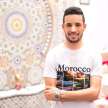

Did you know that Moroccan Arabic, or Darija, is spoken by over 80% of Morocco's population? This vibrant language reflects the nation’s rich tapestry of cultures, blending Arabic with Berber, French, and Spanish influences. Embracing Darija goes beyond linguistic proficiency; it opens doors to authentic cultural experiences and meaningful connections with Moroccans.
Darija serves as a vital thread in the fabric of Moroccan identity and traditions. Understanding this dialect not only fosters respect for local customs but also provides profound insights into the country's heritage. In a multilingual environment where French holds sway in business and education while English gains traction in tourist hubs, mastering basic Moroccan Arabic phrases can be your gateway to deeper appreciation and understanding of this enchanting North African nation.
Essential Moroccan Arabic Vocabulary
Basic Words
Learning Moroccan Arabic phrases starts with mastering essential basic words. Begin with greetings such as "Salam" for hello and "Shukran" for thank you. Understand fundamental vocabulary like "Naam" meaning yes, and "La" meaning no. It's also crucial to familiarize yourself with common nouns such as "Bab," which means door, and "Tefaha," which translates to apple.
Mastering these basic words will provide a strong foundation for communicating in Moroccan Arabic effectively. For instance, when meeting someone new, using the greeting "Salam" can help create a positive impression. Similarly, knowing how to say thank you ("Shukran") is essential in various social interactions.
Common Expressions
In addition to basic words, it's important to master common expressions in Moroccan Arabic. Useful phrases like "Labas?" (How are you?) and "Mashi Mushkil" (No problem) are commonly used in daily conversations. Understanding expressions like "Insha'Allah" (God willing) and "Baraka Allah Fik" (May God Bless You) will also enhance your ability to communicate effectively.
Practicing these common expressions not only allows individuals to engage more fluently but also demonstrates respect for the local culture and customs of Morocco.
Numbers and Time
Another critical aspect of learning Moroccan Arabic vocabulary is understanding numbers and time-related phrases. Start by learning numbers from one to ten: Wahed, Juj, Tlata, Arbaa, Khemsa, Sitta, Saba'a, Tmana', Tis'a', Ashara'. Additionally understand how to tell time using phrases like "Tmaniya Pil", which means 8 o'clock, or "Nus", translating to half past.
Familiarizing yourself with days of the week such as Alhad (Sunday), Althulatha (Tuesday), or Assabt (Saturday) will further enrich your grasp of everyday conversational topics when interacting with locals in Morocco.
Greetings and Introductions

Formal and Informal
In Moroccan Arabic, it's crucial to distinguish between formal and informal language usage. Use formal expressions when speaking to elders or in professional settings. For instance, use "As-Salaam Alaykum" (peace be upon you) as a respectful greeting. Conversely, informal language is commonly used among friends and peers. When addressing friends, you can simply say "Labas?" meaning "How are you?"
Understanding the distinction between formal and informal language usage is essential for effective communication in Moroccan Arabic. For example, when meeting someone for the first time or engaging with older individuals, using formal phrases like "Sabah el-kheir" (good morning) shows respect.
Cultural Nuances
When using Moroccan Arabic phrases, being aware of cultural nuances is vital for respectful interactions. Politeness holds significant value in Moroccan culture; therefore, incorporating polite phrases such as "Afak" (please) into conversations demonstrates consideration.
Moreover, expressing gratitude through phrases like "Shukran Bzaf" (thank you very much) reflects appreciation and acknowledgment of others' kindness or assistance. Understanding these cultural nuances not only fosters positive rapport but also showcases an individual's respect for local customs.
Respecting local traditions also entails learning appropriate greetings for different occasions. For example, during religious festivals such as Eid al-Fitr or Eid al-Adha, utilizing specific greetings like "Eid Mubarak" conveys goodwill and acknowledges the significance of these celebrations within Moroccan society.
Language Learning Tips for Darija

Practice Regularly
To master Moroccan Arabic phrases, regular practice is key. Engage in conversations with native speakers to improve your speaking and listening skills. This real-life interaction will help you understand the nuances of the language, such as intonation and colloquial expressions. Utilize online resources, language apps, and language exchange programs to further enhance your proficiency in Darija.
Immersing yourself in Moroccan culture can significantly contribute to your understanding of Moroccan Arabic. By experiencing cultural events, traditions, and customs firsthand, you'll gain insights into the context behind various phrases and idioms used in everyday conversations. Moreover, embracing the culture allows you to witness how body language and gestures play a vital role in communication among Moroccans.
Utilize Online Resources
In today's digital age, numerous online platforms offer valuable resources for learning languages like Darija. You can find websites dedicated to teaching Moroccan Arabic grammar rules or providing comprehensive lists of commonly used phrases. Language apps also offer interactive lessons tailored for beginners or those looking to advance their skills.
Language exchange programs are another effective way to practice Moroccan Arabic conversationally while helping others learn your native tongue at the same time. These programs allow you to connect with native speakers through video calls or messaging platforms where you can engage in meaningful dialogues that promote mutual linguistic growth.
Immerse Yourself
An immersive approach involves surrounding yourself with all things related to Morocco – from music and movies to literature and cuisine – exposing yourself constantly to authentic content that features spoken Darija helps reinforce what you've learned from formal lessons or textbooks.
By watching Moroccan films or TV shows without subtitles, listening exclusively to Moroccan music genres like Chaabi or Raï, reading books by Moroccan authors (with translation assistance if needed), and trying traditional dishes at local restaurants offering North African cuisine - all these experiences enrich your understanding of Moroccan Arabic beyond just vocabulary.
Focus on Pronunciation
When delving into mastering Moroccan Arabic, focusing on pronunciation is crucial for clear communication. Pay attention not only to individual sounds but also to how they blend within words and sentences since this has a significant impact on being understood during conversations.
Starting with simple sentences allows you to gradually build confidence before tackling more complex structures common within Darija-speaking communities; this approach prevents feeling overwhelmed by overly intricate grammar rules too soon.
Navigating Morocco with Key Phrases
When navigating Morocco, it's crucial to learn essential phrases for asking directions. For instance, you can use "Fin kayn..." (Where is...) or "Yemken Takhodni l...?" (Can you take me to...?). These phrases will help you communicate effectively and find your way around the country.
Understanding common transportation terms such as "Taxi" (taxi) and "Autobus" (bus) is also vital. Knowing these terms will enable you to identify different modes of transportation easily when moving around in Morocco.
To confidently give directions, practice using phrases like "Dor Lisser/Limen" (Turn left/right). This will allow you to guide others or communicate with drivers about where you need to go. By mastering these phrases, getting around in Morocco becomes much more manageable.
Mastering Moroccan Arabic phrases related to transportation can significantly enhance your travel experience in the country. When interacting with locals, being able to ask for directions and understand transportation options makes exploring new places more accessible and enjoyable.
French Influence on Moroccan Arabic

Language Integration
Immerse yourself in Moroccan culture by attending local events and festivals. Participate in traditional celebrations, such as Eid al-Fitr or the Gnawa Festival, to experience cultural immersion firsthand. Engage in conversations with native speakers to improve your language skills. Practice speaking common phrases like "Sbah el-kheir" (good morning) and "Shukran" (thank you) during these interactions.
Embrace cultural experiences to better understand the context of Moroccan Arabic. Visit historical sites like the Medina of Fez or the Jardin Majorelle in Marrakech, where you can observe daily life and engage with locals. By witnessing how phrases are used within their cultural setting, you gain a deeper insight into their meaning and significance.
Useful Vocabulary
Expand your vocabulary by learning words related to food, clothing, and daily activities. Familiarize yourself with essential terms such as "Dar" (house), "Makla" (food), and "Shwia" (a little). These basic expressions will facilitate communication during everyday interactions.
Focus on practical terms that can be immediately useful in various situations. For instance, learn phrases for ordering food at a restaurant or asking for directions while exploring local markets. Understanding simple yet essential vocabulary enhances your ability to navigate through different scenarios seamlessly.
Utilize online resources or language apps to access word lists and flashcards tailored specifically for learning Moroccan Arabic phrases. Platforms like Duolingo or Memrise offer interactive tools that cater to different proficiency levels, making it easier for beginners to grasp new words effectively.
Daily Conversations in Moroccan Arabic
Learning Moroccan Arabic phrases involves familiarizing yourself with common idiomatic expressions. For instance, "Safi/Baraka" means "enough," while "Mashi Mushkil" translates to "no problem." Understanding the meaning behind phrases like "Kolchi Labas" (everything is fine) and "Ma Fhemtch" (I don't understand) is crucial for effective communication.
By practicing these idioms in appropriate contexts, you can enhance your ability to connect with native Moroccan speakers. For example, using "Safi" when declining an offer or expressing satisfaction can help you integrate seamlessly into conversations within the local culture. Similarly, employing "Mashi Mushkil" when addressing a potential inconvenience showcases your grasp of colloquial expressions.
Idiomatic phrases play a pivotal role in daily interactions and are integral to understanding the nuances of Moroccan Arabic. Incorporating them into your language skills will not only aid comprehension but also foster a deeper connection with locals.
Negotiating and Commerce Phrases

Market Interactions
Mastering Moroccan Arabic phrases for market interactions is essential when shopping in local markets. For instance, "Goli Taman?" means "What's the price?" while "Mzyan" translates to "Good." When vendors respond with "Ghadi Nqess," they are indicating that they'll lower the price, and if they say "La, Ghali/Rekhiss," it means no, expensive/cheap. Practice haggling to secure successful purchases. You can navigate market transactions effectively by mastering these phrases and understanding vendor responses. For example:
- Goli Taman? (What's the price?)
- Mzyan (Good)
- Ghadi Nqess (I'll lower it)
- La, Ghali/Rekhiss (No, expensive/cheap)
- Business Vocabulary
Learning business-related terms is vital for navigating professional settings in Morocco. Phrases such as "Shukran Bzaf" meaning thank you very much or "Kayn Moshkila?" translate to Is there a problem? are integral for effective communication during business dealings.
Understanding cultural norms and etiquette when conducting business in Morocco is equally important as learning business vocabulary. It helps create a positive impression on your Moroccan counterparts and fosters better working relationships:
- Shukran Bzaf - Thank you very much
- Kayn moshkila? - Is there a problem?
Health and Safety Communication

Emergency Situations
In emergencies, it's crucial to know essential phrases in Moroccan Arabic to seek help or communicate distress. For instance, "Machi Moshkila" means "No problem," while "Maraftch Fin Ana" translates to "I'm lost/Where am I?." These phrases can be invaluable when navigating unexpected scenarios.
Understanding how to ask for help is equally important. Phrases like "Musa'ada min Fadlik/Fadlikum" which translates to "Help me, please," can aid in seeking assistance during emergencies. Practicing these phrases is essential for being prepared and confident in unforeseen situations.
For example:
- A traveler getting lost in a new city may need to use the phrase "Maraftch Fin Ana" (I'm lost) to seek assistance from locals.
- In a medical emergency, knowing how to say "Musa'ada min Fadlik/Fadlikum" (Help me, please) could make a significant difference.
Security Phrases
Mastering security-related phrases is vital for personal safety. Learning expressions like "Ana Bghit Lmaktab D-Polis," meaning "I need the police station," or “Ana Fi Khatar” translating to “I’m in danger,” can be essential when facing security threats.
Fun Facts and Additional Resources
Semitic Language Insights
Moroccan Arabic, also known as Darija, is a Semitic language with historical and linguistic connections to other languages in the same family. It shares commonalities with languages like Arabic, Hebrew, Amharic, and Tigrinya. These languages have influenced each other over centuries through trade, conquests, and cultural exchanges. For example, Moroccan Arabic has borrowed words from Berber languages due to the long history of coexistence between Arab and Berber communities in Morocco.
The influence of Arabic on other Semitic languages can be seen in shared grammatical structures such as the use of trilateral roots for word formation. Similarly, vocabulary related to daily life activities often exhibits similarities across these languages. Understanding these connections provides learners with a deeper appreciation for the linguistic diversity within the Semitic language family.
Exploring the historical interactions among Semitic languages offers valuable insights into how different cultures have shaped each other's linguistic expressions over time. This understanding not only enriches one's knowledge but also fosters an appreciation for the interconnectedness of human societies throughout history.
Learning Resources
Aspiring learners looking to master Moroccan Arabic can tap into various resources tailored specifically for learning this unique dialect. Online platforms offer dedicated courses and tutorials designed to help individuals grasp essential Moroccan Arabic phrases and conversational skills effectively. Language apps provide interactive tools that facilitate self-paced learning while offering opportunities for practice through quizzes and speaking exercises.
Joining language exchange programs or finding native speakers willing to engage in conversation can significantly enhance one's proficiency in using Moroccan Arabic phrases naturally. Engaging with native speakers allows learners to gain practical exposure by applying their knowledge within authentic contexts.
Furthermore, local cultural centers or specialized language schools often organize Darija courses catered towards both beginners and advanced learners alike. These institutions provide a conducive environment for immersing oneself in Moroccan culture while honing language skills under expert guidance.
Conclusion
You've now got a solid foundation in Moroccan Arabic! With essential vocabulary, language learning tips, and practical phrases for various situations, you're well-equipped to navigate conversations and interactions in Morocco. Embrace the French influence on Moroccan Arabic and dive into daily conversations with confidence. Whether it's negotiating a deal or ensuring your health and safety, you're ready to communicate effectively.
Keep practicing and immersing yourself in the language. Embrace every opportunity to learn and use Moroccan Arabic. Your efforts will not only enhance your travel experiences but also foster genuine connections with the locals. So, keep exploring, keep learning, and keep embracing the beauty of language diversity!
Frequently Asked Questions
How can I effectively learn Moroccan Arabic phrases?
Learning Moroccan Arabic can be a rewarding experience. Start by mastering essential vocabulary and practicing greetings and daily conversations. Immerse yourself in the language, use language learning apps, and seek out native speakers to practice with.
What are some key phrases for navigating Morocco?
Mastering key phrases for directions, transportation, and basic interactions will greatly enhance your experience in Morocco. Practice common phrases for asking directions, ordering food, and interacting with locals to navigate the country with ease.
How has French influenced Moroccan Arabic?
French has significantly impacted Moroccan Arabic due to historical colonization. Many words related to education, technology, and culture have been borrowed from French. Understanding this influence can help you grasp certain aspects of the language more easily.
What are some health and safety communication tips for travelers in Morocco?
When traveling in Morocco, it's important to know how to communicate basic health concerns or ask for assistance if needed. Learning phrases related to seeking medical help or expressing emergencies can ensure you stay safe during your travels.
Where can I find additional resources for learning Moroccan Arabic?
There are many online resources such as language learning websites, forums dedicated to Darija (Moroccan Arabic), as well as YouTube channels offering tutorials on specific topics. Consider joining local cultural events or groups where you can practice speaking with native speakers.
About the Creator
Keep reading
More stories from Youssef Achabou and writers in Education and other communities.
Leading the Way: How Healthcare Leaders Improve Patient Outcomes
Healthcare systems face constant pressure. Patients expect safe care, fast service, and clear communication. Staff need support and strong direction. Costs continue to rise. In this complex setting, strong leadership makes a clear difference. Healthcare leaders improve patient outcomes by setting the vision, guiding teams, and building systems that focus on quality and safety.
By Armin Ernsta day ago in Education
Tatt~Master
— Assembly Line Tatt Machine ~ Impressions to Impress — As I begin to understand more about the Tattoo Phenomenon. I've written silly, yet verbatim, dating site anecdotes in 'Frazzled.' So let me ask you: Would you be More attracted to someone slathered with tattoos, or Less?
By Jay Kantor2 days ago in Humor




Comments
There are no comments for this story
Be the first to respond and start the conversation.