
MITRAL STENOSIS
"Understanding the Causes, Symptoms, and Treatment of Mitral Stenosis: A Comprehensive Guide"

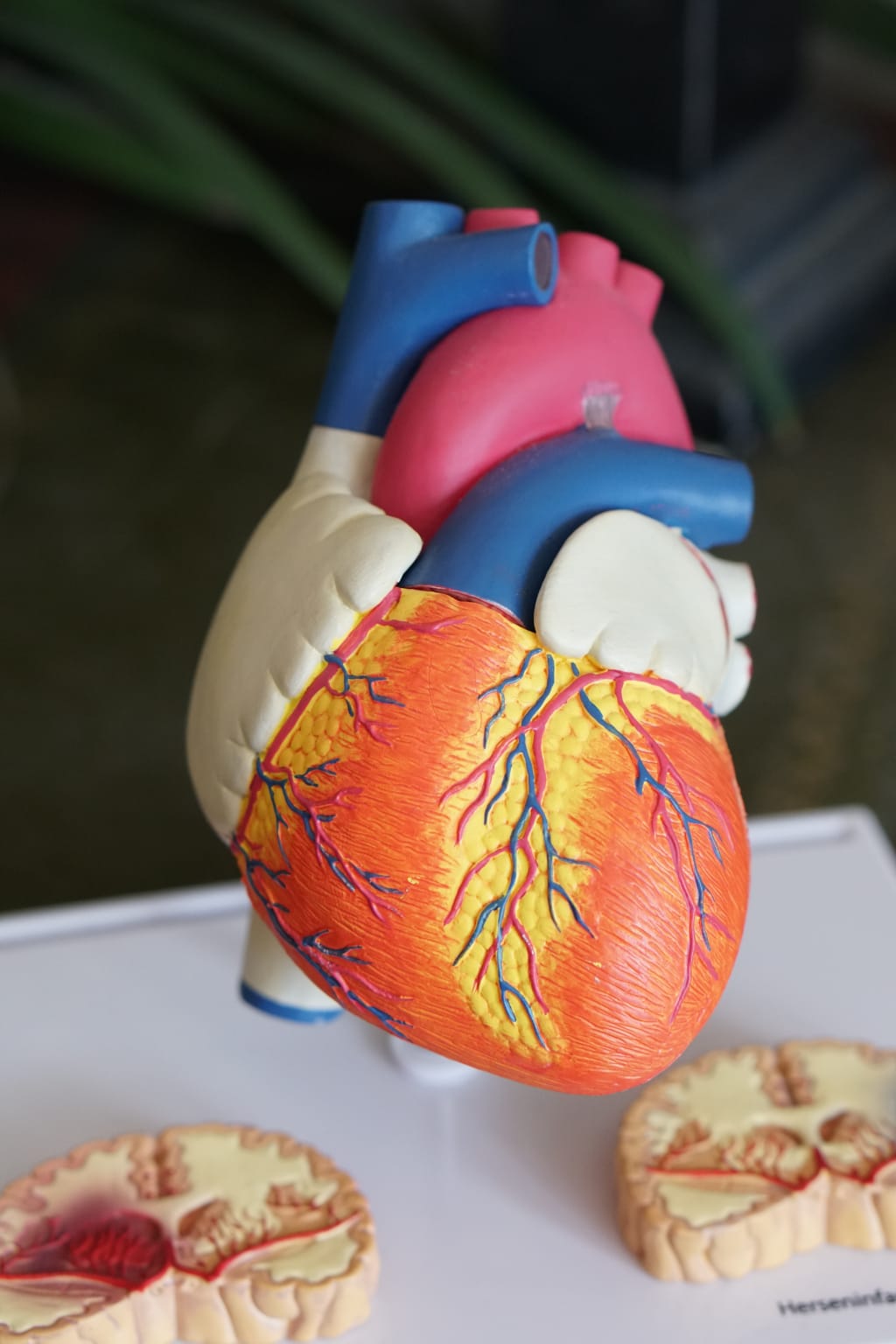
Mitral stenosis is a heart condition that affects the mitral valve, which is located between the left atrium and the left ventricle of the heart. The mitral valve functions as a one-way valve, allowing blood to flow from the left atrium into the left ventricle during diastole (the relaxation phase of the cardiac cycle).
In mitral stenosis, the mitral valve becomes narrowed or constricted, making it difficult for blood to flow from the left atrium into the left ventricle. This can lead to a variety of symptoms, including shortness of breath, fatigue, and chest pain. Over time, mitral stenosis can also lead to complications such as heart failure, atrial fibrillation, and pulmonary hypertension.
PATHOPHYSIOLOGY
The pathophysiology of mitral stenosis involves the narrowing of the mitral valve orifice, which obstructs blood flow from the left atrium to the left ventricle during diastole. This obstruction leads to increased pressure within the left atrium, which can cause a number of physiological changes in the heart and lungs.
As the pressure within the left atrium increases, it can cause the left atrium to enlarge (called left atrial dilation), which can lead to the development of atrial fibrillation, a type of irregular heartbeat. Atrial fibrillation can further impair the ability of the heart to pump blood effectively, leading to symptoms such as shortness of breath, fatigue, and dizziness.
In addition, the increased pressure within the left atrium can cause blood to back up into the pulmonary veins, which can cause pulmonary congestion and hypertension. This can lead to symptoms such as cough, wheezing, and difficulty breathing, particularly with physical exertion.
Over time, the increased workload on the heart caused by mitral stenosis can lead to the development of heart failure, a condition in which the heart is no longer able to pump blood effectively to meet the body's needs.
The most common cause of mitral stenosis is rheumatic fever, which can cause scarring and fibrosis of the mitral valve leaflets. Other causes of mitral stenosis include congenital heart defects, calcium deposits on the valve leaflets, and certain autoimmune diseases
TREATMENT
Mitral stenosis is a condition in which the mitral valve of the heart, which separates the left atrium and the left ventricle, becomes narrowed, making it difficult for blood to flow through the valve. The treatment of mitral stenosis depends on the severity of the condition and the symptoms experienced by the patient.
Medications: Medications can be used to manage the symptoms of mitral stenosis. These may include diuretics to reduce fluid retention, beta-blockers to slow the heart rate, and anticoagulants to prevent blood clots.
Balloon valvuloplasty: This is a procedure in which a catheter with a balloon attached to its tip is inserted into a blood vessel in the groin and guided to the heart. The balloon is inflated to widen the narrowed mitral valve, improving blood flow.
Mitral valve surgery: In severe cases of mitral stenosis, surgery may be necessary to repair or replace the damaged valve. This can be done through open-heart surgery or minimally invasive techniques, depending on the patient's condition.
Antibiotic prophylaxis: Patients with mitral stenosis are at increased risk of developing infective endocarditis, a serious infection of the heart's inner lining. Antibiotic prophylaxis may be recommended before certain dental or surgical procedures to reduce this risk.
It is important to work closely with a healthcare professional to determine the best course of treatment for mitral stenosis based on individual factors and medical history.
INVESTIGATIONS
: This is a non-invasive imaging test that uses ultrasound waves to create images of the heart. It can show the size and function of the heart, as well as the structure and function of the mitral valve.
Electrocardiogram (ECG): This is a test that measures the electrical activity of the heart. It can help to detect any abnormalities in the heart rhythm or rate.
Cardiac catheterization: This is a more invasive procedure that involves inserting a catheter into the heart through a blood vessel in the arm or groin. This can be used to measure the pressure inside the heart and to assess the severity of the mitral stenosis.
Stress test: This is a test that involves exercising on a treadmill or stationary bike while being monitored by ECG and blood pressure measurements. This can help to assess how well the heart responds to physical activity.
Magnetic resonance imaging (MRI): This is a non-invasive imaging test that uses magnetic fields and radio waves to create detailed images of the heart. It can show the size and function of the heart, as well as the structure and function of the mitral valve.
Overall, the choice of test or procedure used to investigate mitral stenosis will depend on a number of factors, including the patient's symptoms, medical history, and overall health. A cardiologist or other healthcare provider can help to determine the most appropriate diagnostic approach.
TREATMENT
The treatment of mitral stenosis depends on the severity of the condition and the presence of symptoms. Mild cases may not require treatment, while severe cases may require surgery.
Medications: In some cases, medication may be prescribed to help manage symptoms and improve the heart's function. These may include diuretics to help reduce fluid buildup, beta-blockers to help slow the heart rate, and anticoagulants to prevent blood clots.
Balloon valvuloplasty: This is a minimally invasive procedure that involves inserting a catheter with a deflated balloon into the narrowed mitral valve. The balloon is then inflated to widen the valve opening, improving blood flow.
Surgery: In severe cases of mitral stenosis, surgery may be required. This may involve repairing or replacing the damaged valve. Valve repair involves surgically reshaping the valve to improve its function, while valve replacement involves removing the damaged valve and replacing it with a mechanical or biological valve.
Lifestyle changes: In addition to medical treatment, lifestyle changes such as maintaining a healthy diet, exercising regularly, quitting smoking, and managing stress can help improve overall heart health and reduce the risk of complications.
It's important for individuals with mitral stenosis to work closely with their healthcare provider to develop an appropriate treatment plan based on their individual needs and medical history.
About the Creator
hari haran
im a medical graduate intrested in online works
live and let live
Keep reading
More stories from hari haran and writers in Education and other communities.
"The Bright Side of Being a Teenager: Exploring the Positives of Adolescence"
OVERVIEW Teenage life is a period of significant physical, emotional, and social development that occurs during adolescence, typically between the ages of 13 and 19. During this time, teenagers experience many changes and challenges as they transition from childhood to adulthood.
By hari haran3 years ago in Families



Comments
There are no comments for this story
Be the first to respond and start the conversation.