
Mind-Blowing Philippines: Unbelievable Facts You Need to Know
(Cool stuff)

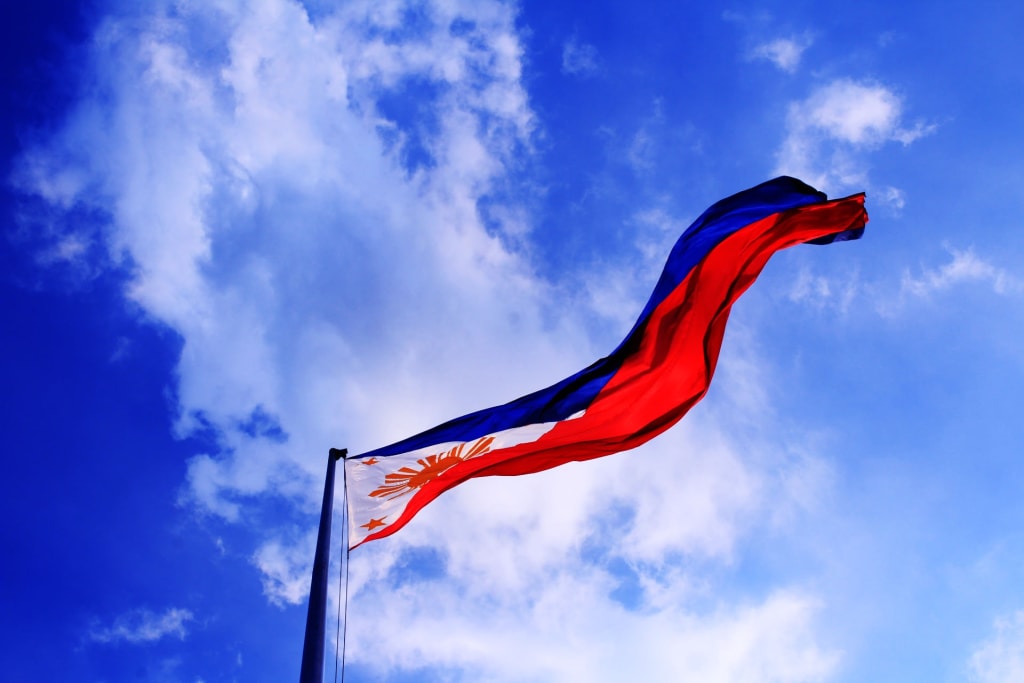
The Philippines is a country known for its rich cultural heritage and diverse population. With over 7,100 islands, this archipelago has become a melting pot of various languages and dialects, with more than 175 distinct tongues being spoken throughout the country. In addition, Filipinos have gained a reputation for being avid texters, with the average person sending over 400 text messages per month. This unique characteristic is attributed to the affordability of mobile phones and texting plans in the country. Interestingly, studies have also shown that boxing fights directly influence crime rates in the Philippines, with crimes decreasing during and after major boxing matches due to the majority of the population staying at home to watch the much-anticipated event. These and many more quirks make the Philippines a fascinating country to explore and study.
Here some interesting facts to know about the Philippines.
1.The Philippines is home to a rich linguistic diversity that sets it apart from other countries around the world. Drawing on over 7,100 islands and a variety of cultural influences, Filipinos speak at least 175 languages—even more than previously thought. While the two official languages of the country are Filipino (based on Tagalog) and English, Filipinos communicate in a vast array of dialects and regional languages. Fascinatingly, many of these languages exist solely in spoken form and are not recorded in written materials. This makes it difficult to determine the exact number of languages being spoken in the country. Despite this challenge, it is clear that language is a crucial aspect of Filipino culture and identity, shaping the way people communicate and connect with one another on a daily basis. As such, the study of language in the Philippines offers a unique opportunity to gain insight into the country's rich cultural heritage and linguistic tapestry.
2.The Philippines is home to the world's most densely populated city, Metro Manila, which is made up of 16 cities including the capital city of Manila. Despite having an official population of 12.8 million people, the actual number during the daytime population is even higher due to people coming in from other areas to work. What makes this even more remarkable is that the entire Metro Manila area covers only 16.56 square miles, making the population density a staggering 111,002 people per square mile. In comparison, this is approximately five times higher than the population density of other bustling cities such as Mumbai and Paris. This high density of living and working spaces poses unique challenges for ecological and urban planning. Exploring the impact of high-density populations such as those in Metro Manila can help us better understand the challenges facing modern urban areas and identify potential solutions to these ongoing struggles.
3.The Philippines has developed a unique cultural phenomenon that merges the traditional and the modern with shopping malls at the forefront. For Filipinos, shopping malls are more than just retail centers – they have become integral community hubs where people can engage in a wide range of activities. Apart from being safe and air-conditioned places, shopping malls often feature gyms, health clinics, concert halls, nightclubs and even churches! It’s no wonder why shopping malls have become a popular destination for locals to meet up with friends. In fact, three of the world’s ten largest shopping malls are located in the Philippines: the Mega Fashion Hall of SM Megamall, SM City North EDSA, and SM Mall of Asia. The fusion of spirituality with the shopping experience is quite unique in the country, and it highlights the creative ways that people in the Philippines have invented to connect with their community while also enjoying the benefits of modern consumer culture.
4.Filipinos have earned the distinction of being the top texting nation in the world, a testament to their love of communication and camaraderie. Despite the popularity of shopping malls as community hubs and meeting places, texting has become an even more ubiquitous activity, especially in a culture that values connectivity. Filipinos send a staggering 400 million texts per day, amounting to about 142 billion texts a year. This is a remarkable feat considering the country's population of 107 million. Texting is not simply a means of exchanging pleasantries but also a way for Filipinos to stay connected and informed about daily events and happenings. This level of communication is unique to the Philippines, and it shows the creative ways that people use technology to maintain close connections with their friends and family, even when they are not physically together.
5.One thing that stands out about transportation in Manila is the iconic jeepney, a unique form of public transportation that visitors are sure to notice. These vehicles are an adaptation of US army jeeps that remained in the country following World War II, and they have since undergone significant modifications to accommodate up to 18 passengers. Passengers can flag down a jeepney going in the desired direction and ring a bell to signal for it to stop. With around 50,000 jeepneys currently operating in Manila, these vehicles have become an integral part of the city's landscape. No two jeepneys are alike, with each one decorated in its individual and eclectic style. Some are adorned with basketball stars, cartoon characters, inspirational quotes, and neon lights. Despite their colorful appearance, jeepneys are not without their challenges: Safety concerns and pollution are major problems since they produce enormous amounts of black smoke. However, before they get replaced with a rapid transit system, the Jeepney remains an iconic symbol of Manila and a unique transportation experience that visitors can enjoy.
6.The Philippines is home to some of the world's most breathtaking landscapes, and the island of Camiguin is no exception. While the island may be relatively small, measuring 14 miles long and 8.5 miles wide, it boasts a remarkable distinction of having more volcanoes per square mile than any other island on the planet. With a total of seven volcanoes and just five towns, Camiguin is a land of towering peaks and lush forests. Despite the island's geological history of earthquakes and eruptions, the volcanoes have been dormant since the 1950s, allowing thousands of tourists to explore the island safely. Camiguin is a unique example of how natural disasters can shape a region's geological landscape, and also how the island's stunning surroundings continue to awe and inspire visitors from around the world.
7.Boxing has become an integral part of Filipino culture, and the country's love for their most famous boxer, Manny Pacquiao, is undeniable. Whenever Pacquiao steps into the ring, the entire nation comes to a standstill, with people glued to their TV screens to watch his matches. Interestingly, the Philippine National Police (PNP) have observed that crime rates in the country tend to drop significantly during these high-profile events. During Pacquiao's 12-round fight against American boxer Floyd Mayweather, Jr., which lasted from 9 a.m. to 3 p.m, not a single crime was reported in the whole of metropolitan Manila area. This phenomenon has been observed time and time again during major boxing events featuring the "People's champ" Manny Pacquiao. This incredible nationwide interest in boxing and its capacity to enthrall the entire nation is a fascinating aspect of Filipino culture, and the potential for the sport to reduce crime rates is a remarkable and unique phenomenon.
8.While the Philippines is home to a vast and diverse workforce, it is noteworthy that a significant percentage of Filipinos choose to work abroad. Whether it's their flexible and hardworking nature or their proficiency in English as a second language, more than 11 million Filipinos are employed overseas. This number represents around 11% of the country's population, and it continues to grow each year. A particularly interesting note is that a quarter of all overseas nurses in the world come from the Philippines. This impressive figure underscores the importance of the nursing profession in the Philippine economy and the reputation of Filipino nurses as some of the most skilled and respected medical professionals in the world. The phenomenon of Filipino migration and the country's reliance on overseas employment is a complex issue with far-reaching effects on the nation's economy and society, and it continues to generate discussions and debates among policymakers and scholars alike.
9.The rice terraces of Banaue are a true wonder of the world and a source of pride for the Philippines. As the oldest such terraces still in use today, they represent a remarkable triumph of human ingenuity and hard work. Their unique design, which follows the contours of the mountain, allows them to efficiently irrigate and cultivate crops year after year. In fact, the rice and vegetables produced by these terraces are so plentiful that much of it is exported outside of the region, contributing significantly to the Philippine economy. If all the terraces were to be laid out end to end, it is believed that they would stretch halfway around the globe. Yet despite their tremendous economic value, the Banaue rice terraces also have immense cultural significance, and they continue to attract tourists from around the world eager to witness their beauty and learn about the people who built them. As a result, these ancient structures are playing an increasingly important role in promoting tourism and economic development in the Philippines.
10.Filipinos have had a significant impact on the global entertainment industry, notably in the realm of music and singing. In fact, the karaoke machine, a beloved staple of homes, bars, and parties around the world, was actually invented by a Filipino inventor named Roberto del Rosario in 1975. Del Rosario patented his creation as the Sing Along System, and it quickly captured the imaginations of music lovers all over the world. Despite attempts by others to replicate his technology, del Rosario remains the sole patent holder for the original karaoke system used today. This invention has given rise to a global phenomenon and demonstrates yet another facet of Filipino creativity and ingenuity. The contributions of Filipinos to the world in various industries, including entertainment, underscore the importance of recognizing and celebrating the diverse and unique cultures and contributions of different countries and peoples.
To sum it all up, The Philippines is a country with rich cultural diversity and unique characteristics. It boasts linguistic diversity, a high population density in Metro Manila, innovative shopping mall culture, a texting phenomenon, iconic jeepneys, stunning volcanic landscapes, the impact of boxing on crime rates, significant overseas employment, the Banaue rice terraces, and contributions to the global entertainment industry through the invention of karaoke. These distinct features make the Philippines a captivating and culturally diverse country.
About the Creator
Red Sangco
Discover captivating stories by me, a storyteller who weaves magic with words. Get ready to be spellbound. PS: I am learning about writing articles and facts too.
Keep reading
More stories from writers in Education and other communities.
10 Times Rotten Tomatoes and I Disagreed
***Disclaimer*** I will be ranking these movies in the following manner: The greater the divide between Rotten Tomatoes and I, the higher up on the list (and I am referring to the critic's score, not the audience score). I will also show Rotten Tomatoes' score on each one in addition to my score. I am curious to know what everyone thinks, please let me know in the comments below!
By Madison "Maddy" Newton2 days ago in Geeks




Comments
There are no comments for this story
Be the first to respond and start the conversation.