
Microbiology vs Biotechnology: Which PhD Path Should You Choose?
Both fields offer unique opportunities and challenges!

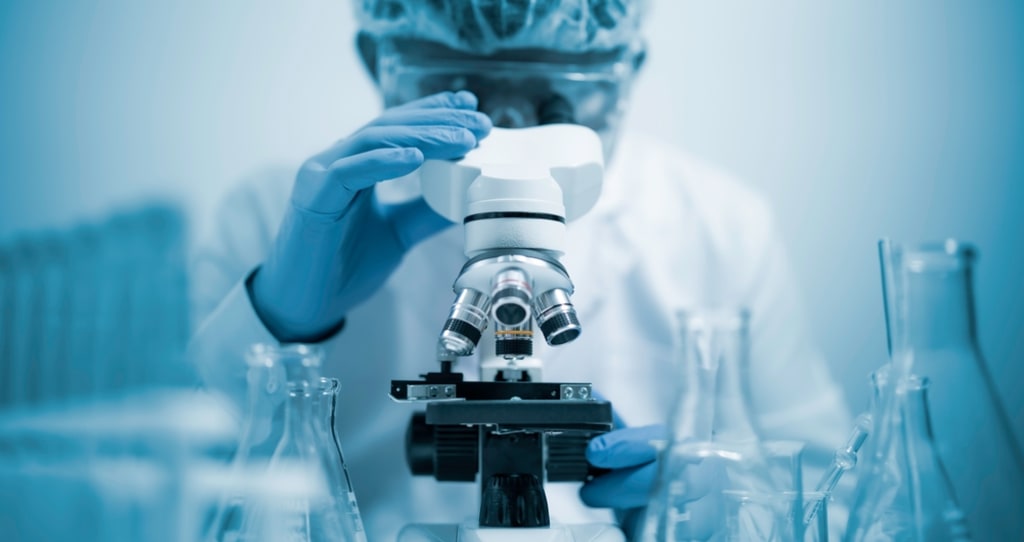
Choosing between a PhD in Microbiology and a PhD in Biotechnology is a pivotal decision that can shape your academic journey and professional future. Choosing between Microbiology and Biotechnology for your PhD boils down to your career objectives, interests, and the kind of work you find fulfilling. Microbiology offers a deeper dive into the world of microbes, while biotechnology focuses on innovation and application. Both fields are highly valuable, offering robust career opportunities and contributions to society. Both fields offer unique opportunities and challenges, and understanding their nuances is essential for making an informed choice.
Understanding Microbiology and Biotechnology
What is Microbiology?
Microbiology is the branch of science that deals with the study of microorganisms, including bacteria, viruses, fungi, and protozoa. It encompasses various sub-disciplines such as bacteriology, virology, mycology, and parasitology. Microbiologists play a crucial role in understanding disease mechanisms, developing antibiotics, and exploring the roles of microbes in ecosystems.
What is Biotechnology?
Biotechnology involves the use of living organisms or their systems to develop products and technologies for human benefit. It integrates principles from biology, chemistry, and engineering to innovate in areas like healthcare, agriculture, and environmental management. Biotechnologists work on genetic engineering, drug development, and the creation of sustainable biofuels, among other applications.
Educational Pathways
BSc Biotechnology Scope in India
A Bachelor of Science (BSc) in Biotechnology provides a strong foundation in biological sciences, emphasizing the technological applications of biology. In India, this degree opens doors to various industries, including pharmaceuticals, agriculture, and environmental sectors. Graduates can pursue roles such as lab technicians, research associates, and quality control analysts. The interdisciplinary nature of biotechnology education equips students with versatile skills applicable in multiple domains.
BSc Microbiology Scope in India
A BSc in Microbiology focuses on the study of microorganisms and their interactions with humans, animals, plants, and the environment. In India, graduates can find opportunities in healthcare, diagnostics, pharmaceuticals, and research institutions. Career options include clinical microbiologists, environmental microbiologists, and quality assurance officers. The specialized knowledge gained in microbiology is essential for roles that require an in-depth understanding of microbial processes.
Career Prospects and Job Opportunities
Biotechnology Job Opportunities
The biotechnology sector in India is experiencing significant growth, with increasing investments and the establishment of numerous biotech startups.
Career opportunities for biotechnology graduates are expanding in areas such as drug development, agricultural biotechnology, and environmental bioremediation. Positions like biotechnologists, biochemists, and bioprocess engineers are in demand. The interdisciplinary nature of biotechnology allows professionals to work in diverse sectors, contributing to innovations that address global challenges.
Microbiology Job Opportunities
Microbiology graduates have a wide array of career options in sectors like healthcare, agriculture, and environmental science.
They can work as clinical microbiologists, conducting laboratory tests to diagnose diseases, or as environmental microbiologists, studying microbial processes in ecosystems. The demand for microbiologists is steady, with opportunities in research institutions, pharmaceutical companies, and government agencies. Their expertise is crucial in developing new antibiotics, vaccines, and in ensuring food safety.
PhD Considerations: Microbiology vs Biotechnology
Research Focus
- Microbiology PhD: Focuses on understanding microbial physiology, genetics, and ecology. Research may involve studying pathogenic mechanisms, microbial interactions, and environmental microbiology. This path is ideal for those interested in exploring the fundamental aspects of microorganisms and their roles in various environments.
- Biotechnology PhD: Centers on applying biological principles to develop technologies and products. Research areas include genetic engineering, bioprocess development, and synthetic biology. This path suits individuals aiming to innovate and translate biological research into practical applications.
Industry Demand
- Microbiology PhD: There is a consistent demand for microbiologists in clinical laboratories, research institutions, and industries focused on fermentation, food production, and environmental management. Their expertise is essential in understanding and combating infectious diseases, developing vaccines, and ensuring public health.
- Biotechnology PhD: The biotechnology industry is rapidly expanding, with increasing opportunities in pharmaceuticals, agriculture, and environmental sectors. Biotechnologists are at the forefront of developing innovative solutions to complex biological problems, making this field dynamic and future-oriented.
Salary Expectations
- Microbiology PhD: Entry-level positions may offer modest salaries, but with experience and specialization, compensation can increase significantly. Academic and research positions may have different pay scales compared to industry roles. Salaries can vary based on the sector, with private industry positions often offering higher compensation than academic roles.
- Biotechnology PhD: Generally offers competitive salaries, especially in industrial and pharmaceutical sectors. Advanced degrees and experience can lead to higher-paying positions. The potential for growth in biotechnology is substantial, with opportunities to advance into managerial and executive roles.
Choosing the Right Path

Personal Interests
- Microbiology: Ideal for those fascinated by microorganisms and their roles in health, disease, and the environment. If you enjoy laboratory work, research, and have a keen interest in understanding microbial life, a PhD in Microbiology may be the right choice.
- Biotechnology: Suits individuals interested in applying biological knowledge to develop new technologies and products. If you are inclined towards innovation, product development, and have an entrepreneurial spirit, a PhD in Biotechnology could be more appropriate.
Career Goals
- Microbiology: Leads to careers in research, academia, clinical laboratories, and industries related to health and environment. If your goal is to contribute to scientific understanding and public health, microbiology offers a fulfilling path.
- Biotechnology: Opens opportunities in industrial research and development, pharmaceuticals, and biotech companies. If you aim to work in sectors that translate research into marketable products, biotechnology provides a dynamic career path. Biotechnology also offers pathways for professionals interested in becoming entrepreneurs, establishing their own biotech startups, or working in high-impact industries like personalized medicine and bioinformatics.
Comparing Scope and Opportunities
Scope of Microbiology
Microbiology’s relevance continues to grow with advancements in medical sciences, environmental sustainability, and food production. Researchers are constantly discovering new microorganisms, exploring their properties, and developing applications for them. For example:
- Healthcare and Diagnostics: Microbiology plays a vital role in understanding infectious diseases, which remains a critical field in global health.
- Food and Beverage Industry: Microbiologists ensure food safety and enhance production through microbial fermentation.
- Environmental Science: Understanding microbial ecosystems aids in bioremediation and the development of sustainable environmental practices.
With a PhD in Microbiology, you can access research-focused roles, governmental scientific positions, or positions in private industries that value microbial expertise.
Scope of Biotechnology
The scope of biotechnology in India and globally has been growing exponentially. Biotech professionals are working on solutions to some of humanity’s most pressing problems, such as climate change, food scarcity, and health challenges. Key opportunities include:
- Pharmaceutical Innovations: Biotechnologists contribute to developing new drugs, vaccines, and therapies.
- Agricultural Advancements: Genetically modified crops and sustainable farming techniques are major achievements in this sector.
- Industrial and Environmental Biotech: Development of biofuels, biodegradable plastics, and sustainable energy solutions relies heavily on biotechnology expertise.
A PhD in Biotechnology offers diverse opportunities, not only in research but also in product innovation and management. Companies in India, such as Biocon, and international giants, such as Roche and Pfizer, actively recruit PhD graduates for leadership and technical roles.
Emerging Fields in Both Disciplines
- Microbiology: Advances in genomics and metagenomics have allowed microbiologists to study microbial communities like never before. Fields like antimicrobial resistance, bioinformatics, and synthetic microbiology are growing rapidly.
- Biotechnology: With developments in AI integration, CRISPR gene-editing technology, and synthetic biology, biotechnology is carving out entirely new industries.
If you aspire to make an impact in public health, clinical research, or teaching, microbiology might be the better option. However, if you envision yourself leading R&D projects, starting a biotech company, or working at the intersection of science and business, biotechnology may align better with your goals.
Both fields are well-supported by research institutes and universities in India. Institutions like Shoolini University, a pioneer in science and biotechnology education, offer excellent programs for students aspiring to pursue PhDs in either Microbiology or Biotechnology. For those who are still undecided, exploring academic institutions like Shoolini University, renowned for its focus on biotechnology and microbiology education, can help clarify your direction.
In the end, whether you choose Microbiology or Biotechnology, the scope for impactful research, exciting discoveries, and meaningful careers is immense. Both fields are integral to advancing science and solving global challenges.
About the Creator
Rahul Dhamija
I'm passionate about helping students navigate the ever-changing world of higher education.
I share my knowledge and the latest updates on college applications, financing your education, and making the most of your college experience
Keep reading
More stories from Rahul Dhamija and writers in Education and other communities.
What is the Future Scope of MBA in Business Analytics?
The scope of MBA in Business Analytics is expanding rapidly as businesses across industries embrace data-driven strategies. This specialization combines traditional business management principles with advanced analytics techniques, making it a powerful tool for addressing complex business challenges. As organizations rely more on big data, AI, and machine learning to make informed decisions, the demand for professionals skilled in business analytics continues to grow.
By Rahul Dhamijaabout a year ago in Education
Why Has Standardized Testing Increased In The Last Twenty Years?
Students living in New Jersey took the New Jersey State Learning Assessment-Adaptive and the New Jersey Graduation Proficiency Assessment-Adaptive, as part of a series of field tests administered by the State of New Jersey on October 28-30 and November 3, 2025 to see how the state government can improve testing.
By Katherine Roteman6 days ago in Education


Comments
There are no comments for this story
Be the first to respond and start the conversation.