
Methods of Forensic Investigations Through the Years: A Journey of Scientific Discovery
Forensic investigators

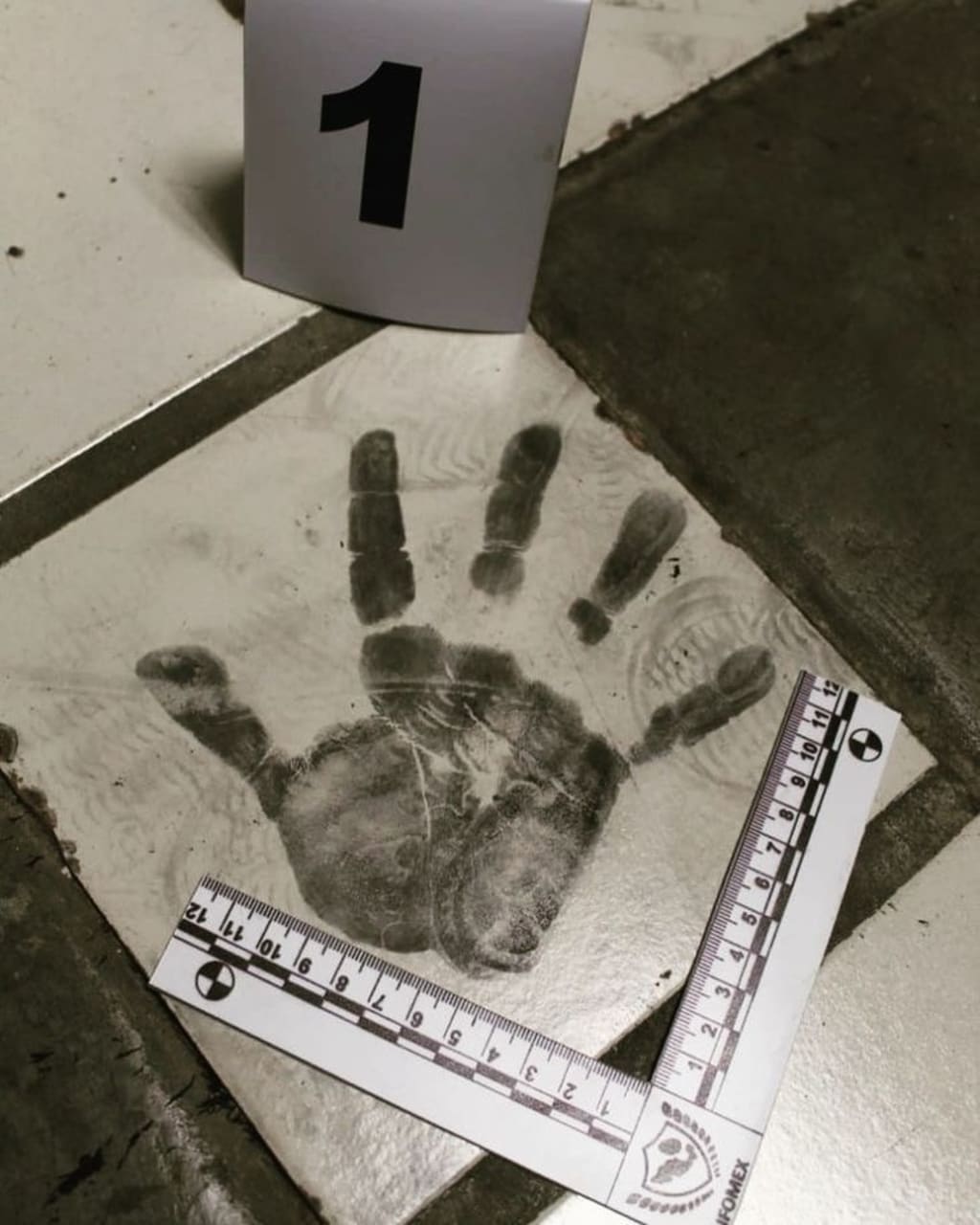
Forensic investigation, the application of scientific methods to solve crimes, has undergone a remarkable evolution over the centuries. From rudimentary techniques based on intuition and basic observation to cutting-edge technology and DNA analysis, the field of forensic science has transformed into a sophisticated discipline. As societies have advanced, so too have the methods for uncovering the truth behind mysterious deaths, disappearances, and crimes. This article explores the development of forensic methods over the years, highlighting key milestones and innovations that have shaped modern forensic science.
Early Forensic Methods: Observation and Intuition
Forensic investigation in ancient times was rudimentary, relying on basic observation, intuition, and rudimentary legal systems. In civilizations like ancient Egypt, Greece, and Rome, crime scene investigations were conducted with minimal scientific tools. Early forensic practitioners, such as Roman medical practitioners or the Egyptian embalming priests, observed bodily conditions and used common sense to interpret signs of foul play. However, these methods were often based on superstition, conjecture, or trial and error rather than scientific rigor.
In the Middle Ages, the role of the coroner emerged in Europe. The coroner’s primary job was to investigate suspicious deaths, though their methods were often crude. For example, autopsies were sometimes conducted, but these investigations were limited by religious taboos and lack of knowledge about human anatomy. Most deaths were still attributed to causes such as divine retribution, plague, or witchcraft, rather than forensic evidence.
The Renaissance: Birth of Early Forensic Techniques
During the Renaissance, forensic science began to take a more scientific turn, particularly in Europe. Advances in anatomy, medicine, and observation were crucial to the development of more systematic investigative practices. Pioneers like Giovanni Morgagni and Andreas Vesalius laid the groundwork for modern forensic pathology by studying human anatomy in greater detail. Morgagni’s work on autopsies helped establish a clearer connection between cause of death and physical symptoms, while Vesalius improved the dissection process and anatomical understanding.
In the 16th and 17th centuries, forensic medicine began to gain recognition as an essential tool in criminal investigations. The first documented use of forensic toxicology occurred in 1775, when a chemist named Carl Wilhelm Scheele identified arsenic in a body’s tissue. This marked the beginning of forensic toxicology, which would later play a crucial role in criminal investigations.
The 19th Century: The Rise of Scientific Forensics
The 19th century witnessed a series of breakthroughs in forensic science that set the stage for modern investigative techniques. Key developments in this period included the advent of forensic toxicology, ballistics, and fingerprint identification.
1. Forensic Toxicology: The development of forensic toxicology became a major milestone in solving poisoning cases. In 1839, Mathieu Orfila, often regarded as the father of modern toxicology, published his seminal work on the detection of poisons in biological samples. His studies laid the foundation for toxicological analysis that would later be critical in the investigation of suspicious deaths and homicides.
2. Ballistics and Firearms Analysis: The late 19th century saw the development of ballistics as a scientific discipline. Early forensic experts like Alphonse Bertillon and Sir William Herschel started analyzing the characteristics of bullets and firearm markings. This would evolve into the field of forensic ballistics, where investigators could match bullets to specific weapons by examining unique markings made by the firearm’s barrel.
3. Fingerprint Identification: In 1892, Sir Francis Galton and Sir Edward Henry in the United Kingdom developed the first systematic method of classifying fingerprints. Fingerprint analysis became a revolutionary forensic technique that allowed for the identification of individuals based on the unique ridges on their fingers. In 1901, the UK established the first fingerprint bureau, solidifying its role in criminal investigations worldwide.
4. Criminal Profiling: The idea of criminal profiling began to take shape in the 19th century, notably through the work of Cesare Lombroso, an Italian criminologist who theorized that certain criminal behaviors could be predicted based on physical characteristics. Although his theories were later debunked, the idea of criminal profiling would later be refined into the psychological profiling techniques used by modern forensic psychologists and investigators.
The 20th Century: Advances in Forensic Science and Technology
The 20th century saw the rapid advancement of forensic techniques, marked by the integration of chemistry, biology, and technology into criminal investigations. Several key innovations during this time transformed the forensic landscape.
1. DNA Fingerprinting: Perhaps the most significant breakthrough in forensic science came in 1984, when Sir Alec Jeffreys developed the technique of DNA fingerprinting. This method uses an individual’s unique DNA profile to identify or exclude suspects with incredible accuracy. DNA analysis quickly became a cornerstone of forensic investigations, solving cold cases, exonerating the innocent, and bringing perpetrators to justice.
2. Forensic Anthropology: The study of human remains, known as forensic anthropology, gained prominence in the 20th century as anthropologists began applying their knowledge to crime scenes. In the 1930s, Wilton Marion Krogman helped establish the field, and it became especially important in identifying skeletal remains, determining age, sex, and ancestry, and estimating the time of death.
3. Forensic Pathology: Forensic pathology became increasingly important in criminal investigations. The work of forensic pathologists, who conduct autopsies to determine the cause of death, became more standardized, and autopsy findings were used as critical evidence in criminal cases. The famous case of the assassination of President John F. Kennedy in 1963 brought forensic pathology to the public’s attention.
4. Forensic Entomology: The study of insects in forensic investigations, known as forensic entomology, became more prominent in the 20th century. Entomologists use the life cycles of insects, particularly flies, to estimate the time of death. This technique became essential in cases where the body had been left exposed to the elements for an extended period.
5. Digital Forensics: With the advent of computers and the internet in the late 20th century, digital forensics emerged as a critical field. This discipline focuses on the recovery and analysis of data from digital devices like computers, smartphones, and servers. Digital forensics has been instrumental in solving cybercrimes, fraud, identity theft, and even traditional crimes, where digital evidence plays a central role in the investigation.
21st Century: Cutting-Edge Forensic Technologies
The 21st century has seen the integration of even more sophisticated technologies in forensic investigations. DNA analysis has continued to evolve, and new tools have emerged that can analyze traces of DNA with even greater precision. Other innovations include:
1. Advanced DNA Sequencing: The rapid advancements in DNA sequencing technology have improved the accuracy and speed of forensic investigations. Techniques like next-generation sequencing (NGS) allow forensic scientists to extract and analyze DNA from smaller or degraded samples, aiding in the identification of suspects and the resolution of cold cases.
2. Forensic Robotics and Drones: The use of robotics and drones in crime scene investigations has increased dramatically. Drones can be used to scan and photograph crime scenes from a bird’s-eye view, while robots may be employed in hazardous situations, such as when dealing with explosive devices or toxic substances.
3. 3D Imaging and Crime Scene Reconstruction: Advances in 3D imaging and virtual reality have revolutionized crime scene reconstruction. By scanning a crime scene and creating a detailed 3D model, investigators can simulate events and better understand the sequence of actions leading to a crime. This technology has been particularly useful in reconstructing fatal accidents or complex crimes.
4. Artificial Intelligence and Machine Learning: Artificial intelligence (AI) and machine learning are beginning to play a role in forensic investigations, especially in areas like facial recognition, pattern recognition, and data analysis. AI systems can assist in identifying suspects by analyzing vast amounts of data, from fingerprints and surveillance footage to social media activity.
Conclusion: The Future of Forensic Investigations
The evolution of forensic science has been marked by continuous innovation, with each new technique building on the discoveries and technologies that came before it. From the crude methods of early investigations to the highly advanced technologies of today, forensic science has transformed the way crimes are solved. As technology continues to evolve, the future of forensic investigation holds the promise of even more precise, efficient, and comprehensive methods of solving mysteries, bringing justice, and exonerating the innocent.
In an age of rapid technological advancements, the field of forensic science will continue to push boundaries, integrating emerging technologies like quantum computing and advanced genetic analysis. As we move into the future, forensic investigations will not only become more precise but also more accessible, ensuring that justice can be delivered faster and more accurately than ever before.
About the Creator
Keep reading
More stories from Matilda Otu and writers in Education and other communities.
The History of the First Birthday Cake: Who Made It and How It Evolved
Birthday cakes have become a beloved tradition in many cultures, symbolizing joy, celebration, and a person’s special day. But have you ever wondered where the tradition of birthday cakes originated and who made the first one? The history of birthday cakes is not as simple as one person or event but rather a gradual evolution over centuries. Let’s explore the fascinating history behind the birthday cake and how it became the delicious, sugary tradition we know today.
By Matilda Otuabout a year ago in Education
What should you do if you accidentally cut off your finger
After a long day helping patients in the emergency room, Priya is calmly preparing dinner when her knife slips and cleanly severs her finger. Fortunately, as an ER doctor, she knows exactly how to respond. First, she carefully cleans the wound with a wet paper towel and bandages her finger— making sure not to wrap it too tightly. To manage the pain, she knows not to take ibuprofen, which could interfere with clotting, and instead chooses acetaminophen. Then she gently rinses the severed finger, wraps it in a clean, slightly moist towel, and places it in a cooler while avoiding any direct contact with ice. Finally, she rushes to the hospital, where, fortunately, a skilled hand surgeon is available. Thanks to the clean cut and Priya's quick reaction, the surgeon can begin immediately. They set the bones and secure them with wires before repairing the tendons, nerves, blood vessels, and finally, the skin. The entire procedure is completed in about eight hours, and after a few months of occupational therapy, Priya's hand is fully functional again. This represents the ideal outcome for reattaching a body part. Unfortunately, it’s also extremely rare— and not only because most people aren’t as prepared as Priya. In reality, many complications arise with most accidental amputations. First, there’s the injury itself. Unlike Priya's clean cut, most traumatic amputations happen in car crashes or industrial accidents that cause severe, uneven tissue damage and contaminate the wound in ways that prevent reattachment. Additionally, more than half of all limb amputations in the United States are caused by disease, and limbs removed for medical reasons clearly aren’t safe to reattach. Then comes preserving the limb. When a body part is severed, its blood circulation stops, cutting off oxygen and essential nutrients. Surprisingly, severed tissues can survive for a limited time without these resources. Keeping them cool further slows tissue death, generally giving surgeons a 6-to-12-hour window for reattachment. But once the tissues die, reconnecting them won’t restore function. This narrow timeline is especially difficult for surgeons. Because of the challenges already mentioned, reattachment surgeries are relatively uncommon. As a result, many hospitals lack the tools and expertise needed to perform these time-sensitive procedures. And even when they can, nerve repair remains extremely complex. With perfectly clean cuts, surgeons may attempt to stitch nerves back together directly. When a cut is jagged, they might use nerve conduits— tunnels between nerve ends that allow nerves to reconnect gradually. However, neither these nor any other surgical methods reliably restore full movement and sensation. These limitations make successful reattachment unlikely. Fortunately, medical technology has developed another reliable solution for amputation: prosthetics. Today, prostheses come in many forms designed to replace different body parts. Prosthetic legs perform well for walking and running. Prosthetic arms have long struggled to replicate fine hand movements. However, modern myoelectric prostheses can detect electrical signals from nearby muscles and translate them into more precise movements. Perhaps the most dramatic advancement in prosthetic technology is transcutaneous osseointegration. First successfully performed in 1990, this procedure surgically anchors a metal implant into the remaining bone. Over time, the bone grows into the metal’s surface, creating a permanent connection. These implants extend through the skin and attach to prosthetic devices, solving several common prosthetic challenges. Where traditional prosthetics can feel heavy, a direct skeletal connection makes their weight feel more natural. Osseointegrated prosthetics are also less likely to irritate the skin and can provide more sensation by transmitting vibrations through the implant to the bone. Even with these advances, not everyone chooses to replace or reattach a lost limb. After an amputation, some people prefer to rely on their remaining limbs, with or without the support of mobility aids and other adaptive equipment.Follow for more stories like this.
By Munesh Yadav2 days ago in Education
How Social Media Helps Small Businesses Grow Faster
Small businesses need smart ways to grow without large budgets. Social media offers one of the fastest and most affordable paths. When used well, it helps small brands reach new customers, build trust, and drive steady sales. Growth that once took years can now happen in months.
By Michael Kazma2 days ago in Education
The Devil's Cut
“Comrade, finally you’re awake.” The voice was smooth, sensual. A flickering incandescent bar was all that lit the white, sterile room. All Vladimir remembered was everything going black. He tried to move his arms and found them strapped to the gurney.
By Matthew J. Fromm4 days ago in Fiction



Comments
There are no comments for this story
Be the first to respond and start the conversation.