
The History of the First Birthday Cake: Who Made It and How It Evolved
Cake

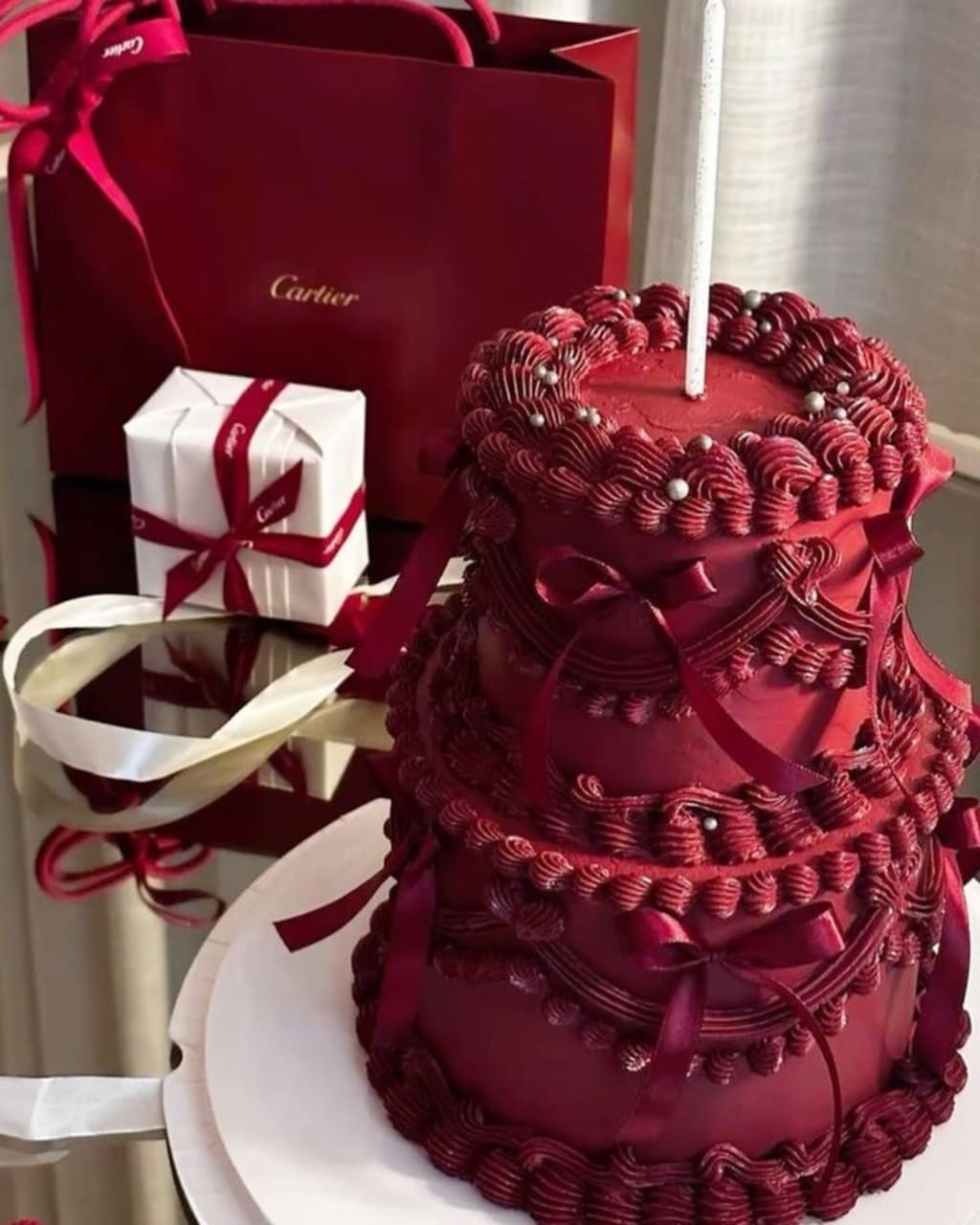
Birthday cakes have become a beloved tradition in many cultures, symbolizing joy, celebration, and a person’s special day. But have you ever wondered where the tradition of birthday cakes originated and who made the first one? The history of birthday cakes is not as simple as one person or event but rather a gradual evolution over centuries. Let’s explore the fascinating history behind the birthday cake and how it became the delicious, sugary tradition we know today.
The Origins of Birthday Cakes
While we may not know the exact individual who baked the first birthday cake, we can trace the origins of birthday cakes back to ancient times, where different cultures celebrated birthdays in unique ways.
1. Ancient Egypt
The earliest evidence of birthday celebrations comes from ancient Egypt, where the pharaohs would commemorate their birthdays. However, these “birthday cakes” were quite different from what we know today. Egyptians celebrated the coronation day (which was considered the pharaoh’s “birth” into kingship) with offerings and feasts, but there were no cakes involved as we think of them now. Instead, they may have had sweet breads or pastries made with honey.
2. Ancient Greece and Rome
The tradition of sweet pastries or cakes began to take shape in ancient Greece and Rome. The Greeks, for instance, baked cakes to honor the moon goddess Artemis. These cakes were round, symbolizing the moon, and were often made with honey and nuts. They were more akin to offerings than celebrations. The Romans also enjoyed celebrations in honor of deities and emperors, using cakes made from flour, eggs, and sweeteners like honey. While these early cakes weren’t birthday cakes per se, they laid the foundation for future celebrations.
The Rise of Birthday Cakes in Europe
The modern concept of birthday cakes started to take form during the medieval and Renaissance periods in Europe. The evolution of birthday cakes is most closely associated with German and European traditions.
1. Medieval Germany
In medieval Germany, a tradition called “Kinderfest” was practiced. This was a birthday celebration for children, which included a cake made with sweet dough, decorated with sugar or fruits. These early birthday cakes were quite different from today’s cake recipes, typically using basic ingredients like flour, sugar, and sometimes fruit or nuts.
2. The 17th and 18th Centuries
By the 17th and 18th centuries, birthday celebrations in Europe had become more common, and cakes began to take on a more recognizable form. The cakes were often large, multi-tiered, and elaborately decorated, especially among the aristocracy. The common folk, however, continued to make simpler cakes. The introduction of sugar and other sweeteners during the period of European colonialism, along with the growth of baking techniques, made these cakes more accessible to the middle class.
The Birth of the Modern Birthday Cake
The birthday cake as we know it today—layered, frosted, and decorated—was popularized in the 19th century, particularly in Western countries like England and the United States. Key developments during this period helped shape the birthday cake tradition.
1. Industrial Revolution and Baking Advances
The Industrial Revolution in the late 18th and early 19th centuries made ingredients like sugar, butter, and eggs more accessible to the general public. This allowed for the creation of sweeter, fluffier cakes. The development of ovens and the invention of baking powders also made it easier to bake light and airy cakes, which became the standard for birthday celebrations.
2. The Role of the Cake Decoration
By the late 1800s, birthday cakes began to evolve in both size and appearance. Cakes started to be decorated more extravagantly, thanks to the innovations in cake decorating, including the use of icing and sugar-based decorations. The practice of placing candles on birthday cakes emerged during this time, symbolizing the “light of life” and making a wish.
3. Candles on the Cake
The tradition of placing candles on the birthday cake has roots in ancient Greece, where candles were used to honor Artemis, the goddess of the moon. However, it wasn’t until the 18th century in Germany that the custom of placing candles on a birthday cake became widely practiced. The candles were originally symbolic of the years of a person’s life, with one candle for each year, and the tradition of blowing out the candles while making a wish became an iconic part of the celebration.
4. The Rise of the American Birthday Cake
The United States played a significant role in shaping the modern birthday cake tradition, especially through the development of cake mixes in the early 20th century. Companies like Betty Crocker made it easier for households to bake cakes at home. The American-style birthday cake, often layered and frosted with creamy buttercream, became a common fixture in birthday parties around the world, cementing the tradition we recognize today.
The Birthday Cake in the Modern Era
Today, the birthday cake is a centerpiece of the celebration, and its variations are endless. While traditional cakes like chocolate, vanilla, and red velvet are still popular, many creative and personalized cakes are now made to reflect the interests of the birthday honoree. From elaborate themed cakes to vegan, gluten-free, and dairy-free options, the birthday cake has evolved into a versatile symbol of celebration.
The custom of singing “Happy Birthday” while the birthday person blows out the candles has also become an integral part of the birthday celebration. Cakes are now not just desserts, but a way to bring people together, mark milestones, and create lasting memories.
Conclusion
The origin of the first birthday cake may never be pinpointed to a specific person or event, but the evolution of birthday cakes is a fascinating journey through history. From ancient honey cakes to the elaborate, multi-layered creations we enjoy today, the birthday cake has transformed from a ceremonial offering to a cherished symbol of joy, community, and tradition. The person or culture that first combined flour, sugar, and love to create a birthday cake may be lost in time, but its impact on celebrations across the world is undeniable. Today, the humble birthday cake continues to bring joy and sweetness to millions of people every year.
About the Creator
Keep reading
More stories from Matilda Otu and writers in Education and other communities.
The Power of Communication: Building Bridges and Shaping Understanding
Communication is the cornerstone of human interaction. From the moment we are born, we engage in various forms of communication, whether through sounds, gestures, or later, words. But communication is more than just talking; it’s the process of exchanging information, ideas, thoughts, and emotions in a way that allows us to understand each other and connect on a deeper level.
By Matilda Otuabout a year ago in Education
Breaking Spiritual Strongholds
Many believers love God and sincerely desire to live victorious lives, yet they sometimes feel trapped by recurring struggles. These struggles may appear as persistent fear, discouragement, addiction, negative thinking, or spiritual oppression. No matter how much someone prays or tries to move forward, certain battles seem to repeat themselves.
By Errick Ruffin4 days ago in Education




Comments
There are no comments for this story
Be the first to respond and start the conversation.