

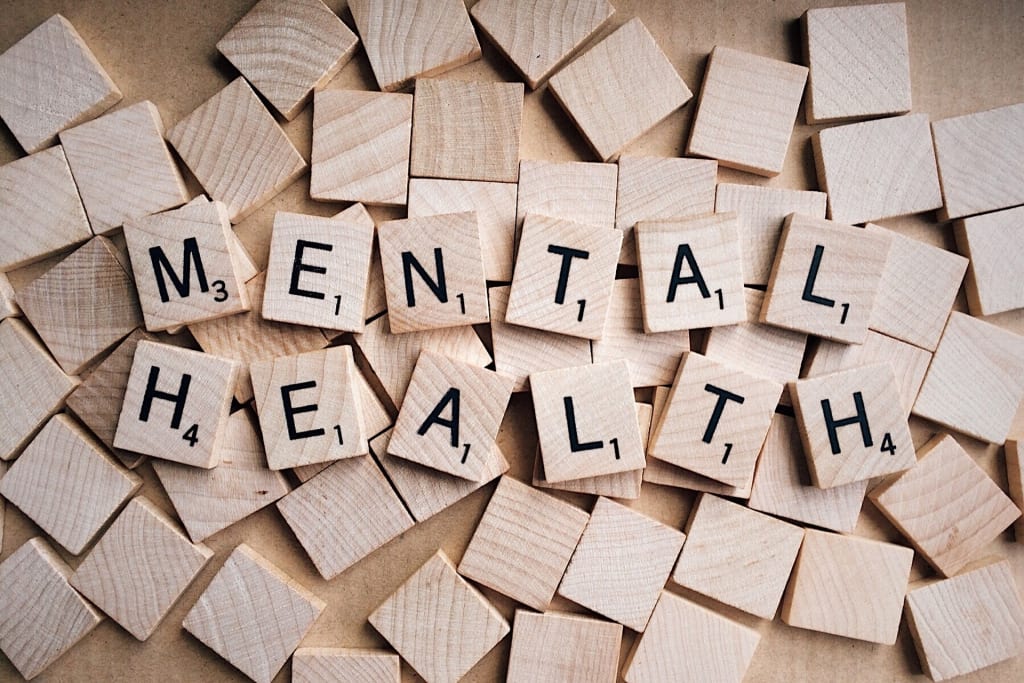
Mental health is a complex and multifaceted topic that affects people of all ages, races, genders, and backgrounds. It encompasses our emotional, psychological, and social well-being, and affects how we think, feel, and behave. While mental health issues can range from mild anxiety to severe depression, bipolar disorder, or schizophrenia, they all share a common thread: they can significantly impact our quality of life, relationships, and daily functioning.
The stigma surrounding mental health issues can make it difficult for people to seek help or even acknowledge that they have a problem. Many people feel ashamed or embarrassed about their mental health struggles, and as a result, suffer in silence. However, it's essential to understand that mental health issues are not a sign of weakness or a character flaw. They are a medical condition that requires treatment, just like any other physical illness.
One of the most common mental health issues is anxiety. It's estimated that over 40 million adults in the United States experience anxiety each year. Anxiety disorders can manifest in many different ways, from generalized anxiety disorder (GAD) to panic disorder, obsessive-compulsive disorder (OCD), or post-traumatic stress disorder (PTSD). Symptoms of anxiety can include excessive worry, feelings of restlessness or agitation, difficulty sleeping, and physical symptoms such as rapid heartbeat, sweating, or trembling.
Depression is another common mental health issue, with an estimated 17 million adults in the United States experiencing at least one episode of major depression each year. Symptoms of depression can include feelings of sadness, hopelessness, or emptiness, loss of interest in activities that were once enjoyable, changes in appetite or sleep patterns, and difficulty concentrating.
Bipolar disorder is a mood disorder that affects approximately 2.8% of adults in the United States. It's characterized by alternating periods of extreme highs (mania or hypomania) and lows (depression). During a manic episode, people may experience feelings of euphoria, impulsivity, or grandiosity, while during a depressive episode, they may experience feelings of sadness, hopelessness, or fatigue.
Schizophrenia is a severe mental illness that affects approximately 1% of the population. It's characterized by a range of symptoms, including delusions, hallucinations, disorganized thinking or speech, and social withdrawal. People with schizophrenia may also experience symptoms such as lack of motivation, flat affect, or difficulty expressing emotions.
While mental health issues can be challenging to deal with, it's important to remember that there is help available. Treatment options for mental health issues include therapy, medication, or a combination of both. Cognitive-behavioral therapy (CBT) is a type of therapy that can be particularly helpful for anxiety and depression. It focuses on changing negative thought patterns and behaviors that contribute to mental health issues. Medications such as antidepressants or anti-anxiety drugs can also be effective in treating mental health issues. In some cases, electroconvulsive therapy (ECT) or transcranial magnetic stimulation (TMS) may be recommended.
In addition to seeking professional help, there are also things that people can do to improve their mental health on their own. Self-care practices such as getting enough sleep, eating a healthy diet, exercising regularly, and practicing stress management techniques like meditation or deep breathing can all help to reduce symptoms of anxiety and depression. Social support is also crucial for maintaining good mental health. Spending time with friends and family, joining a support group, or volunteering in the community can all provide a sense of connection and purpose.
Unfortunately, access to mental health care is not always equal. Many people, particularly those from marginalized communities, may not have access to affordable, quality mental health care. This can lead to disparities in mental health outcomes, with certain populations experiencing higher rates of mental health issues
About the Creator
Lisa Jason
I'm a creative writer in the way that I write. I hold the pen in this unique and creative way you've never seen. The content which I write... well, it's still to be determined if that's any good.
Keep reading
More stories from Lisa Jason and writers in Education and other communities.
Depression
Depression is a serious and complex mental health issue that affects millions of people worldwide. If you're struggling with depression, it's important to know that you're not alone, and there are many effective treatments available to help you overcome your symptoms and regain your sense of well-being.
By Lisa Jason3 years ago in Education
Mobile Driver’s License Verification in 2026
As digital identity technologies evolve, mobile driver’s license verification is emerging as a practical and secure way to confirm identity in both physical and digital environments. Mobile driver’s licenses (mDLs) represent a shift away from plastic cards toward cryptographically protected credentials stored on smartphones — combining convenience for users with stronger security for businesses and authorities.
By Regula Forensics4 days ago in Education
How Data and Analytics Are Powering Hospitality Marketplace Growth
The hospitality marketplace is evolving fast, and success now depends on more than great service and competitive pricing. Platforms, hotels, vacation rentals, and travel brands are leaning on data and analytics to make smarter decisions, improve guest satisfaction, and stay ahead of shifting demand. From pricing to personalization, analytics is shaping how businesses attract customers and increase revenue.
By Jason Nissen4 days ago in Education
Affection and Healing for Yourself
During the night of the last quarter moon, I gathered my ritual supplies. I carefully handled the chunk of black tourmaline that would protect me from your overall negative and narcissistic energy. I carefully walked the house with my stick of selenite in hand, asking the universe to cleanse our working space.
By Alisha Wilkins ✒️🦋🖋️6 days ago in Fiction


Comments
There are no comments for this story
Be the first to respond and start the conversation.