
Healing the Hidden: Healthcare for the World’s Most Remote Populations
Bridging the Distance: Innovative Care Solutions Reaching the World’s Most Isolated Communities

Across the globe, millions of people live in areas where access to healthcare is limited or nearly impossible. These communities, often tucked away in mountains, deserts, forests, or on distant islands, face challenges beyond the scope of ordinary medical care. Isolation, inadequate infrastructure, and shortages of trained medical professionals create a situation in which even basic health services are hard to obtain. Addressing these challenges requires creative solutions, collaboration, and a commitment to ensuring that no population is left behind.
The Distance Dilemma
Geographic isolation is the most obvious barrier to healthcare. In remote regions, the nearest hospital or clinic can be hours or even days away. Travel is often complicated by rough terrain, seasonal weather, or the lack of reliable roads. For residents, this means routine checkups, vaccinations, and treatment for chronic illnesses are often delayed or impossible. In emergencies, the consequences can be severe, sometimes fatal.
Healthcare providers face their own set of challenges. Traveling to isolated communities often involves long journeys on foot, by boat, or even by air. Harsh weather and dangerous landscapes make consistent service delivery difficult. Even when providers reach these areas, they often confront shortages of supplies, equipment, and trained personnel. This combination of obstacles contributes to a persistent healthcare gap that affects the well-being of millions of people.
Bringing Care Through Innovation
Innovation has become essential for delivering healthcare to remote populations. Telemedicine is one of the most significant advancements in this area. Through video consultations, remote monitoring, and digital diagnostics, doctors can provide care to patients who would otherwise have no access to medical expertise. This approach not only saves time and resources but also ensures that patients receive timely guidance, even in critical situations.
Mobile clinics and traveling healthcare teams are another solution. These units bring essential medical services directly to the community, offering vaccinations, health screenings, and treatment for common illnesses. Mobile clinics bridge the gap between permanent healthcare facilities and isolated populations, ensuring that even the most secluded residents receive regular medical attention.
The Power of Local Healthcare Workers
Sustainable healthcare in remote regions often depends on residents' involvement. Community health workers trained within their own communities can provide basic medical care, educate residents about hygiene and disease prevention, and support patients with chronic conditions. By empowering local healthcare workers, communities gain a lasting resource that does not rely solely on outside professionals.
Cultural sensitivity is equally essential. Many isolated populations maintain traditional health practices and may be hesitant to trust modern medicine. Programs that respect these traditions while introducing modern care are more successful in gaining community acceptance. Collaboration with local leaders and engagement with cultural norms help ensure that healthcare initiatives are embraced rather than resisted, improving outcomes and fostering trust.
Technology Bridging the Gap
Technological innovation has revolutionized healthcare delivery in remote areas. Drones are increasingly used to deliver medical supplies, vaccines, and essential medicines to regions that would otherwise be unreachable. Portable diagnostic devices, solar-powered equipment, and mobile health apps allow medical services to be delivered in areas without electricity or permanent clinics. Digital health records enable providers to track patient histories, allowing consistent care even when patients move between locations.
Collaboration among governments, non-profit organizations, and private companies further strengthens these efforts. By investing in infrastructure, training, and technology, these partnerships make healthcare delivery more efficient and sustainable. Such cooperation ensures that isolated communities are no longer left behind in the global healthcare system.
Creating Health Equity Worldwide
Providing healthcare to remote communities is not just about meeting immediate medical needs—it is about promoting global health equity. When isolated populations have access to quality care, disease prevention improves, maternal and child health outcomes rise, and chronic illnesses are better managed. These improvements have a ripple effect, benefiting entire regions and contributing to stronger, healthier societies.
Success in these areas requires a combination of innovation, technology, local empowerment, and cultural understanding. Telemedicine, mobile clinics, drones, and community health workers all play critical roles, but equally important are respect for local traditions and active community engagement. By bridging the gap between modern medical care and the realities of remote living, healthcare providers can ensure that even the most isolated populations have access to the care they need.
Ensuring healthcare for the world’s most remote populations is not just a challenge; it is a responsibility. Every effort to reach these communities represents a step toward a more equitable world where medical care is not a privilege but a fundamental right. Distance, isolation, and limited resources may create barriers, but with determination, innovation, and compassion, they can be overcome. By bringing care to the hidden corners of the world, we can improve lives, prevent suffering, and create a healthier future for everyone.
About the Creator
Baitulmaal
Baitulmaal, a Dallas-based nonprofit founded in 2004, delivers global humanitarian aid, supporting disaster relief, clean water, food, healthcare, and orphan care in underserved communities.
Website: https://baitulmaal.org/
Keep reading
More stories from Baitulmaal and writers in Education and other communities.
Building Resilient Communities Before Disaster Hits, Practical Actions for Stronger Neighborhoods
Building resilient communities before disaster hits is one of the most effective ways to protect people and places. Disasters can happen with little warning. Floods, storms, fires, and health emergencies can disrupt daily life fast. Communities that prepare early face fewer losses and recover more smoothly. This article explains how resilience works and shares clear steps communities can take before trouble begins.
By Baitulmaal27 days ago in Education
How Business Coaching Helps Founders Scale With Clarity and Control
Business coaching assists founders to scale since hustle and reactivity are substituted with structure, systems and strategic leadership. Strategic coaching provides clarity in the marketing, operations, leadership, and decision-making roles of the business, eliminating the need to use the owner as the bottleneck, instead enabling the business to expand without havoc, burnout, or firefighting.
By Alice Adams3 days ago in Education
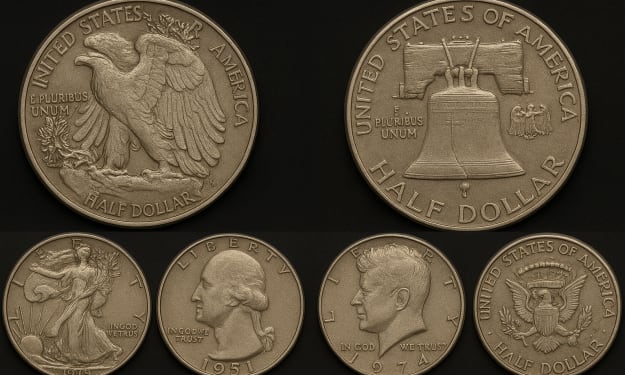
Half Dollars That Defied Time: Kennedy, Franklin & Walking Liberty
If you’ve found yourself holding an old half dollar, you’ve probably wondered: is this just pocket change, or could it be something more? I’ve had that same conversation with countless collectors in my eight years as a numismatist. The answer often hinges on three legendary names: Walking Liberty, Franklin, and Kennedy. More than just silver, these coins are tangible pieces of 20th-century America. This guide will help you understand their stories, values, and which one might be the perfect fit for your goals, whether you're building a collection or an investment.
By Laura Bennett5 days ago in Education



Comments