
Mechanical Royalties Explained: A Comprehensive Guide
Mechanical Royalties Explained

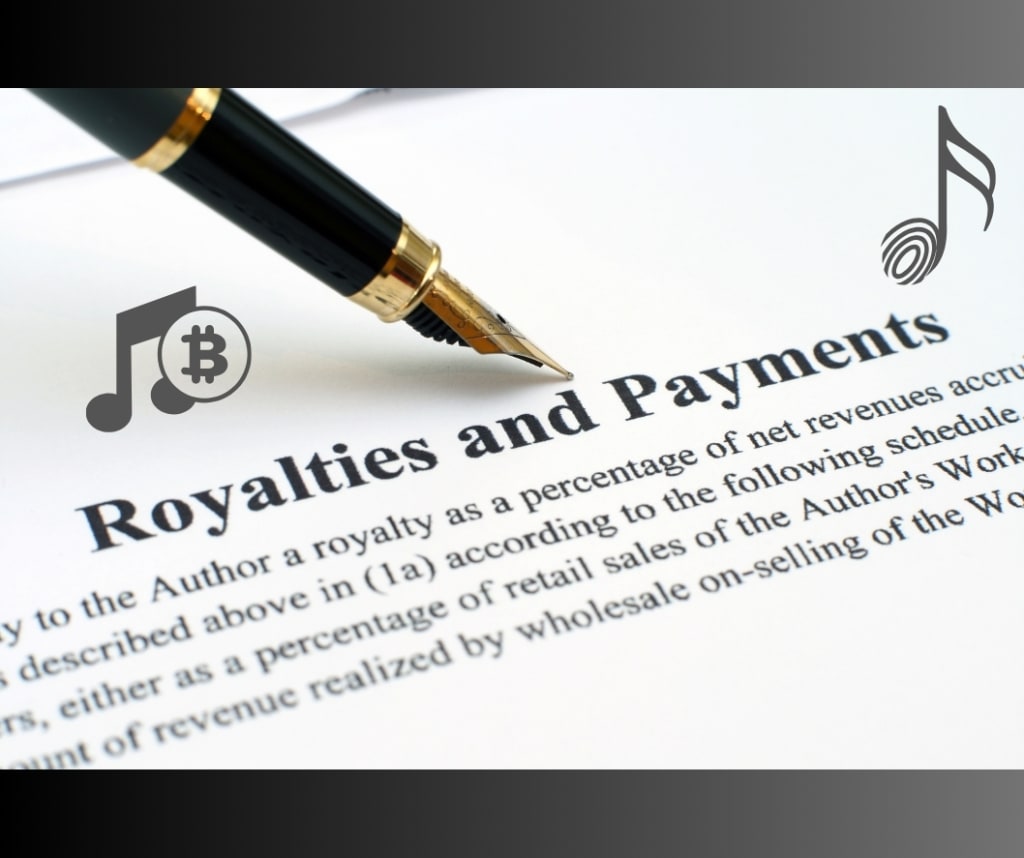
Mechanical royalties are a key revenue source for songwriters and publishers, yet they often remain a misunderstood aspect of the music industry. This comprehensive guide breaks down everything you need to know about mechanical royalties, from their origins and how they are generated to practical tips for ensuring you receive the royalties you deserve.
1. What Are Mechanical Royalties?
Mechanical royalties are payments made to songwriters and publishers whenever their music is reproduced in physical or digital form. This includes sales of CDs, vinyl records, digital downloads, and even streaming. These royalties ensure that creators are compensated for each copy of their music that is made available to the public.
2. The Origins of Mechanical Royalties:
The concept of mechanical royalties dates back to the early 20th century when music publishers sought compensation for the mechanical reproduction of their compositions on piano rolls. Over time, this concept expanded to include various forms of music reproduction, adapting to new technologies and formats.
3. How Are Mechanical Royalties Generated?
Mechanical royalties are generated whenever a song is:
Physically Reproduced: This includes the production of CDs, vinyl records, and other physical media.
Digitally Downloaded: Sales of digital downloads on platforms like iTunes generate mechanical royalties.
Streamed: Streaming services like Spotify and Apple Music also pay mechanical royalties, although the rates are typically lower than for physical sales and downloads.
4. The Role of Mechanical Licensing Agencies:
Mechanical licensing agencies play a crucial role in collecting and distributing mechanical royalties. In the United States, the Harry Fox Agency (HFA) is a leading organization that issues mechanical licenses and collects royalties on behalf of songwriters and publishers. Similar agencies operate in other countries, ensuring that mechanical royalties are collected and distributed globally.
5. Key Terms and Concepts:
Understanding mechanical royalties involves familiarizing yourself with several key terms:
Mechanical License: This is a legal agreement that allows a third party to reproduce a song. It specifies the terms and conditions under which the reproduction can occur.
Statutory Rate: In the US, the statutory rate for mechanical royalties is set by the government. As of 2021, the rate is 9.1 cents per physical copy or permanent download.
Controlled Composition Clause: Often found in recording contracts, this clause limits the mechanical royalties paid to the songwriter (who is also the recording artist) to a reduced rate, typically 75% of the statutory rate.
6. Differences Between Physical and Digital Mechanical Royalties:
The way mechanical royalties are calculated and paid differs between physical and digital formats:
Physical Sales: Mechanical royalties for physical sales are straightforward. Each copy sold generates a royalty based on the statutory rate or a negotiated rate.
Digital Downloads: Similar to physical sales, each digital download generates a mechanical royalty. However, the distribution platform (e.g., iTunes) usually takes a percentage of the sale price.
Streaming: Streaming services pay mechanical royalties based on a percentage of their revenue, divided among all the songs streamed on the platform. The rate per stream is generally lower than for downloads and physical sales.
7. Practical Tips for Songwriters:
To ensure you receive all the mechanical royalties you are entitled to, consider the following tips:
Register Your Works: Make sure all your songs are registered with a mechanical licensing agency like HFA or a similar organization in your country.
Understand Your Contracts: Pay close attention to any controlled composition clauses in your recording contracts and negotiate terms that are favorable to you.
Monitor Your Sales and Streams: Keep track of your music's sales and streaming data to ensure accurate royalty payments.
Seek Professional Help: Consider hiring a music attorney or a publishing administrator to help you navigate the complexities of mechanical royalties.
8. Success Stories and Case Studies:
Real-life examples can illustrate the importance of understanding mechanical royalties. For instance, Taylor Swift has been known to negotiate favorable mechanical royalty terms in her contracts, significantly boosting her earnings from both physical and digital sales. Similarly, independent artists who carefully manage their mechanical royalties can see substantial income from digital downloads and streams.
Mechanical royalties are a vital revenue stream for songwriters and publishers. By understanding how they are generated, the role of licensing agencies, and the key terms involved, you can better navigate the music industry and ensure you receive the royalties you deserve. Stay informed, register your works, and seek professional advice to maximize your mechanical royalty income.
About the Creator
Music Industry Updates
Welcome to Music Industry Updates, your go-to hub for the latest happenings in the music world.
Stay tuned, stay informed, and stay inspired with Music Pulse – where every beat counts.
Keep reading
More stories from Music Industry Updates and writers in Education and other communities.
Singles vs. Albums: Maximizing Your Reach in the Digital Music Era
In the digital music era, the debate between releasing singles and albums is more relevant than ever. Artists must consider how each format affects their reach, engagement, and overall success. With streaming platforms and social media shaping the music industry landscape, understanding the advantages and disadvantages of each approach is crucial for maximizing reach and impact.
By Music Industry Updates2 years ago in Education
Mobile Driver’s License Verification in 2026
As digital identity technologies evolve, mobile driver’s license verification is emerging as a practical and secure way to confirm identity in both physical and digital environments. Mobile driver’s licenses (mDLs) represent a shift away from plastic cards toward cryptographically protected credentials stored on smartphones — combining convenience for users with stronger security for businesses and authorities.
By Regula Forensicsabout 7 hours ago in Education
Turning a History Lesson Into an Escape Room Game
History is often taught through lectures, textbooks, and timelines — methods that can feel dry and distant. But what if students could experience history instead of just reading about it? One of the most engaging ways to do this is by transforming a history lesson into an escape room game. This interactive approach combines problem-solving, teamwork, and storytelling to make history memorable and exciting.
By Games Mode On3 days ago in Education
Thoughts on Vocal and the way the world is
"Death cannot stop true love, only delay it." – Wesley in The Princess Bride. I decided to come back to Vocal on a very cold and dark night at the end of December. I had been, and still am, convalescing from a horrible staph infection that had gone misdiagnosed for months. This, paired with the increasing challenges of being healthy, making the best choices for my co-parented child, being a wife, and being a director at a new job, was a lot to manage.
By Jazzy 3 days ago in Confessions



Comments (2)
Thanks for writing that very well written comprehensive guide.
Hey, just wanna let you know that this is more suitable to be posted in the FYI community 😊