
Mastering the Unconscious Mind
Strategies for Gaining Mental Control and Awareness
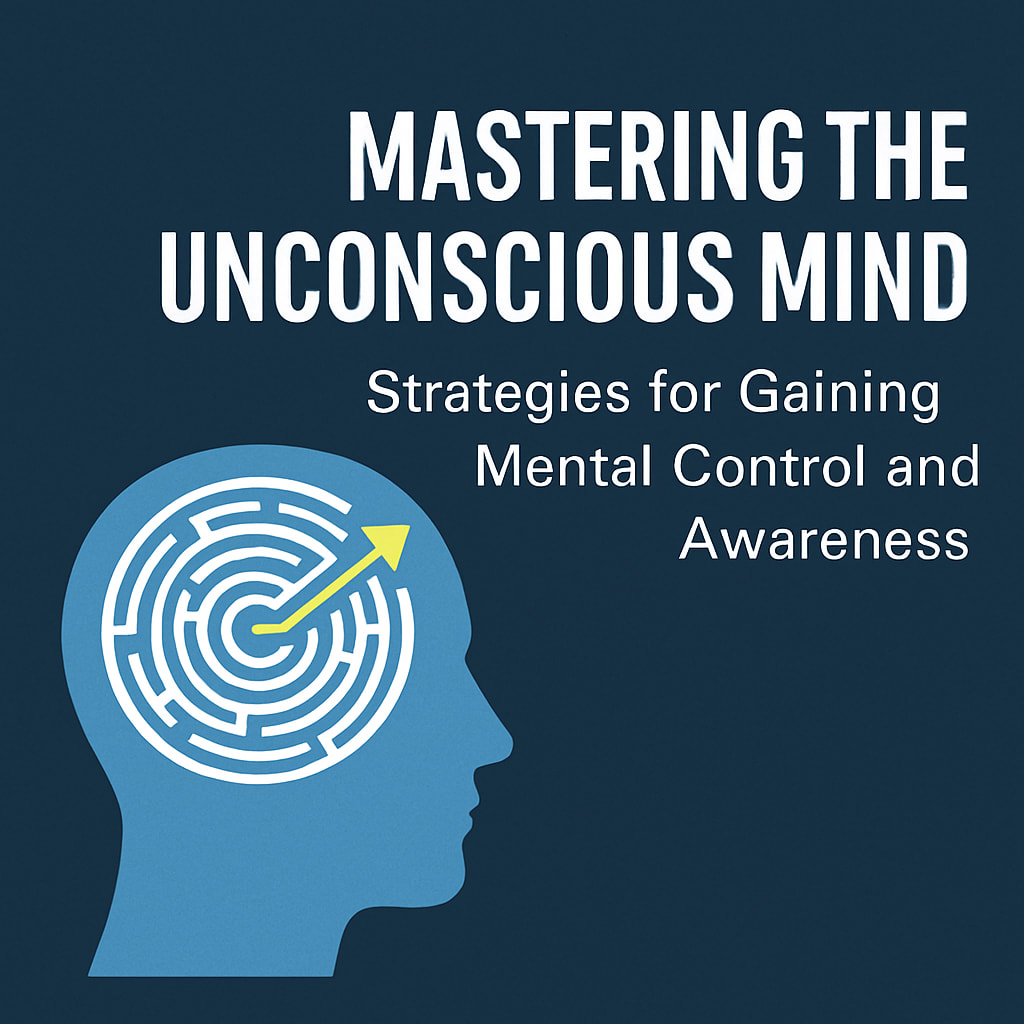
The human mind is a complex interplay of conscious thoughts and unconscious processes. While we like to believe we are in full control of our decisions, behaviors, and emotions, science tells a different story. A large portion of our actions, reactions, and perceptions are influenced by the unconscious mind — the part of our mental life that operates below our conscious awareness. Understanding and mastering this hidden aspect of ourselves can lead to more intentional living, emotional stability, and personal growth.
Understanding the Unconscious Mind
The unconscious mind, as described by psychologists like Freud and Jung, is the reservoir of feelings, thoughts, urges, and memories that lie outside of our conscious awareness. It stores past experiences, deep-seated beliefs, learned behaviors, and automatic responses that guide our day-to-day lives. For example, habits such as driving a car or brushing your teeth are governed largely by unconscious processes. Similarly, your emotional reactions to certain situations may be influenced by past experiences that you may not consciously recall.
Although we are not directly aware of its workings, the unconscious mind plays a vital role in shaping who we are. It is a powerful system responsible for instinctive responses, intuition, emotional regulation, and much of our decision-making. Because of this, learning how to better understand and influence the unconscious mind is crucial for mental and emotional well-being.
Why Gaining Control Matters
When we allow the unconscious mind to operate without any awareness or influence, we become reactive rather than intentional. We may find ourselves stuck in unproductive habits, repeating the same mistakes, or experiencing anxiety and emotional distress without fully understanding why.
By learning to recognize and reshape the patterns stored in the unconscious, we gain more control over our thoughts, behaviors, and emotions. This doesn’t mean eliminating the unconscious—it means bringing awareness to its influence so we can consciously choose how we respond to life.
Strategies for Gaining Control Over the Unconscious Mind
Here are several practical strategies to help you tap into and gradually influence your unconscious mind:
1. Mindfulness and Meditation
Mindfulness is the practice of being present and fully aware of your thoughts, feelings, and surroundings without judgment. Regular mindfulness or meditation practices help quiet the noise of the conscious mind, making it easier to observe the subtle patterns of the unconscious.
Meditation also improves the connection between the conscious and unconscious mind, allowing buried thoughts, emotions, or memories to surface in a safe and controlled way. Over time, you begin to notice thought loops, emotional triggers, and behavioral patterns that you can then address consciously.
2. Journaling and Self-Reflection
Writing about your thoughts and feelings helps you become more aware of unconscious beliefs and recurring emotional themes. Through regular journaling, you can uncover negative thought patterns, internal conflicts, and limiting beliefs.
For example, if you find yourself repeatedly writing about feelings of inadequacy, you might discover an old belief that you're not good enough—possibly rooted in childhood experiences. Once identified, these beliefs can be challenged and replaced.
3. Affirmations and Visualization
Positive affirmations are repeated statements that help reprogram the unconscious mind. When used consistently, affirmations can gradually replace limiting beliefs with empowering ones.
Visualization works in a similar way. When you imagine yourself achieving your goals or facing challenges with confidence, your unconscious mind begins to internalize those images as familiar and attainable. This can lead to changes in behavior, motivation, and even self-perception.
4. Hypnotherapy and Guided Imagery
Hypnosis is a therapeutic technique that allows direct communication with the unconscious mind. Under hypnosis, individuals are more open to suggestion, making it easier to identify and shift internal patterns that are normally inaccessible.
Even if you don’t visit a professional hypnotherapist, guided imagery recordings (available online or through apps) can help you access deeper layers of the mind in a relaxed state. These tools can be especially helpful for breaking habits, reducing anxiety, or improving self-esteem.
5. Dream Analysis
Dreams are the language of the unconscious. Analyzing recurring themes, symbols, and emotional content in your dreams can offer valuable insights into unresolved issues or internal conflicts.
Keep a dream journal by your bed and jot down dreams as soon as you wake up. Over time, you may begin to notice patterns that reflect your deeper thoughts and feelings. Interpreting these can help bring the unconscious into conscious awareness.
6. Emotional Awareness and Body Scanning
The unconscious mind often communicates through the body and emotions. You might feel tense, uneasy, or triggered without knowing why. Learning to pause and ask yourself what you're really feeling—and why—can uncover hidden emotional patterns.
Body scanning is a mindfulness technique where you focus your attention on different parts of your body, noticing any tension or discomfort. These physical sensations often reflect deeper emotional states, allowing you to explore and release them.
7. Behavioral Experimentation
One way to challenge unconscious habits is to intentionally act against them. For instance, if you notice a tendency to avoid conflict due to an unconscious fear of rejection, you might practice speaking up in small, low-risk situations. Over time, this retrains your unconscious mind to adopt new, more empowering behaviors.
A Lifelong Practice
Mastering the unconscious mind isn’t about gaining complete control—it's about increasing awareness and learning how to respond to internal influences with intention. It is a gradual process that requires patience, self-compassion, and curiosity. The goal is not to eliminate automatic processes (which are often helpful), but to ensure they are aligned with your conscious values and goals.
As you grow in awareness and practice these techniques, you’ll find greater clarity, emotional freedom, and a deeper understanding of yourself. You’ll stop reacting blindly and start living with more purpose and direction.
About the Creator
Janat
People read my topics because of thoughtful insights that bridge the gap between complex ideas and everyday understanding. I focus on real-world relevance,—making each read not just informative, but meaningful.
Historical Background of Panasonic Avionics Corporation
From my research, Panasonic Avionics Corporation was originally founded in 1979 under the name Matsushita Avionics Systems Corporation. Over the decades, the company evolved alongside commercial aviation, aligning its products with aircraft cabin modernization and passenger comfort.
By Beckett Dowhan3 days ago in Education
Affection and Healing for Yourself
During the night of the last quarter moon, I gathered my ritual supplies. I carefully handled the chunk of black tourmaline that would protect me from your overall negative and narcissistic energy. I carefully walked the house with my stick of selenite in hand, asking the universe to cleanse our working space.
By Alisha Wilkins ✒️🦋🖋️2 days ago in Fiction


Comments (1)
Wow great