
Mastering The Human Body: A Comprehensive Guide to Anatomy and Physiology
Human Anatomy and Physiology Study Strategies


Understanding the human body is one of the most profound intellectual pursuits of science and medicine. Anatomy and physiology—two intertwined disciplines—serve as the foundation of this exploration. While anatomy is the study of the structure and physical organization of the human body, physiology delves into how those structures function. Together, they form the cornerstone of health sciences, vital for future physicians, nurses, physical therapists, and anyone entering a health-related field.
Whether it's identifying muscles, tracing nerve pathways, or understanding the dynamics of blood flow, the scope of anatomy and physiology is vast, detailed, and essential. With final exams and certification tests serving as crucial milestones in medical education, students often seek structured ways to prepare. For many, engaging with an anatomy final exam practice test is not just beneficial—it’s essential.
The Core Branches of Anatomy and Physiology
To fully grasp these subjects, it's important to understand their branches:
1. Anatomy
• Gross Anatomy: This involves structures visible to the naked eye, such as organs and muscles. It is often studied through dissection and medical imaging.
• Microscopic Anatomy: Also known as histology and cytology, this branch examines cells and tissues under a microscope.
• Developmental Anatomy: This focuses on the changes in anatomy from fertilization to adulthood, including embryology.
• Comparative Anatomy: Although less emphasized in medical programs, it examines anatomical structures across different species.
2. Physiology
• Cellular Physiology: Looks into the functions of cells, the fundamental units of life.
• Systemic Physiology: Studies how organ systems like the cardiovascular or respiratory systems function.
• Pathophysiology: Explores how disease alters physiological processes.
• Exercise Physiology: Focuses on the functional changes the body undergoes during physical activity.
By understanding both the physical blueprint and its dynamic systems, students gain a holistic view of how the human body maintains homeostasis and reacts to internal and external changes.
Major Systems Studied in Anatomy and Physiology
The human body is composed of several interdependent systems. Anatomy and physiology courses usually explore each one in depth:
1. Integumentary System
The skin, hair, nails, and associated glands form the body's outer protective covering. This system plays roles in protection, temperature regulation, and sensory reception.
2. Skeletal System
Comprising 206 bones in adults, the skeletal system provides support, protects organs, and serves as the framework for muscle attachment. It also plays a crucial role in mineral storage and blood cell production.
3. Muscular System
This system works closely with the skeleton to produce movement. It includes skeletal, cardiac, and smooth muscles, each with unique functions and structural characteristics.
4. Nervous System
The body's command center, it interprets sensory input and coordinates responses. It includes the brain, spinal cord, and peripheral nerves.
5. Endocrine System
Using hormones, this system regulates long-term processes such as growth, metabolism, and reproduction.
6. Cardiovascular System
The heart and blood vessels deliver oxygen and nutrients to tissues while removing waste products.
7. Lymphatic and Immune Systems
These systems help defend the body against pathogens and maintain fluid balance.
8. Respiratory System
From the nasal passages to the lungs, this system facilitates gas exchange—oxygen in, carbon dioxide out.
9. Digestive System
This complex system breaks down food, absorbs nutrients, and eliminates waste.
10. Urinary System
Responsible for removing nitrogenous wastes and maintaining water and electrolyte balance.
11. Reproductive System
Involved in producing offspring, this system also plays roles in hormone production and sexual development.
Each system functions independently yet interacts closely with others. For example, muscle movement depends on signals from the nervous system and nutrients delivered by the circulatory system.
Study Strategies for Anatomy and Physiology
Given the sheer volume of information, success in anatomy and physiology requires a thoughtful, strategic approach to studying. Students often encounter challenges such as memorizing terminology, understanding complex physiological processes, and integrating knowledge across systems. Here are some effective study strategies:
1. Active Recall
Using flashcards and repeated self-testing helps reinforce memory. Instead of passive rereading, students quiz themselves frequently on key terms and concepts.
2. Spaced Repetition
This technique spaces out study sessions over increasing intervals to improve long-term retention.
3. Visualization
Labeling diagrams, drawing organ systems, and watching animations enhance spatial understanding.
4. Hands-On Learning
Dissection labs, physical models, and virtual simulations provide tactile and visual experiences that anchor knowledge.
5. Group Study
Explaining concepts to peers clarifies one's own understanding. Study groups also introduce different perspectives and mnemonic devices.
6. Practice Tests
Taking practice exams under timed conditions is one of the most effective ways to prepare. These assessments simulate real test environments, identify weak areas, and boost confidence. Tools like an anatomy final exam practice test are especially helpful in covering a broad range of topics systematically.
The Role of Technology in Learning Anatomy and Physiology
Technology has revolutionized the study of human biology. Interactive tools and resources now offer immersive learning experiences far beyond the traditional textbook.
• 3D Anatomy Apps: Platforms like Visible Body or BioDigital Human let users explore the body in three dimensions, rotate organs, and peel away layers.
• Virtual Reality (VR): Medical schools are increasingly adopting VR to simulate surgeries and explore anatomy interactively.
• Online Practice Exams: Comprehensive digital tests are available that mimic the structure and difficulty of institutional exams. A quality anatomy final exam practice test will often include detailed explanations, images, and rationales that go beyond simple Q&A.
These tools, combined with traditional study methods, create a powerful hybrid learning environment.
The Importance of Clinical Relevance
Anatomy and physiology are not just academic subjects; they have direct implications in clinical settings. A nurse calculating medication dosages, a surgeon navigating body structures during an operation, or a physical therapist developing a rehabilitation plan—all rely on this foundational knowledge.
Clinical case studies often form a bridge between theoretical learning and real-world application. For example, understanding the impact of a herniated disc on nerve pathways reinforces both anatomical positioning and neurological function.
Moreover, students who grasp the practical implications of what they study are more motivated, retain information longer, and are better prepared for licensing exams and patient care.
Common Challenges and How to Overcome Them
Despite the resources available, many students find anatomy and physiology daunting. The most common obstacles include:
• Information Overload: With hundreds of structures and functions to learn, it's easy to feel overwhelmed. Breaking content into manageable sections and reviewing consistently can ease this burden.
• Terminology Confusion: Many terms are derived from Latin and Greek. Creating root-word dictionaries and studying prefixes/suffixes can clarify meanings.
• Time Management: Juggling labs, lectures, and study time requires careful scheduling. Planning study blocks and setting realistic goals helps students stay on track.
• Lack of Practice: Some students rely solely on reading. Incorporating practice tests, drawing, and teaching others can solidify knowledge more effectively.
Conclusion
Anatomy and physiology form the bedrock of understanding the human body in health and disease. They are rigorous yet rewarding disciplines that challenge students to think critically, memorize vast amounts of information, and apply knowledge in practical scenarios. As future healthcare professionals build their foundations, using structured resources like an anatomy final exam practice test can enhance comprehension, boost confidence, and improve academic performance.
Mastery of anatomy and physiology isn't about rote memorization alone—it's about connecting the dots between form and function, recognizing the elegance of biological systems, and preparing to make informed, life-saving decisions in the medical field.
About the Creator
PrepPool
PrepPool helps students prepare smarter for exams through realistic practice questions, exam-aligned study resources, and practical strategies for AP, nursing, healthcare, and professional certification exams.
Why EMS Training Requires Realistic IO Trainers
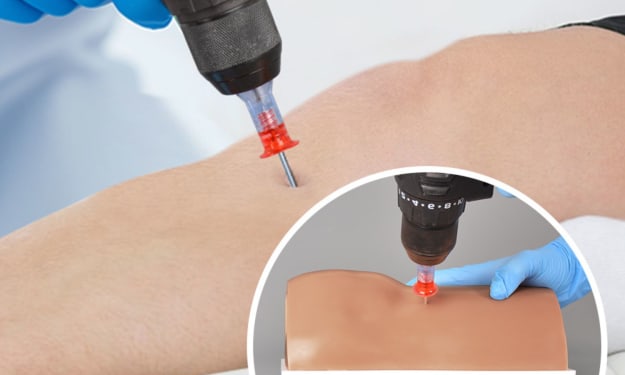
Why EMS Training Requires Realistic IO Trainers In emergency medical services (EMS), seconds matter. When a patient is in shock, cardiac arrest, or severe trauma, establishing rapid vascular access can mean the difference between life and death. While intravenous (IV) access remains the first choice in many cases, it often fails in critical situations. This is why intraosseous (IO) access has become a core life-saving skill for EMS professionals.
By Ultrassist5 days ago in Education



Comments
There are no comments for this story
Be the first to respond and start the conversation.