
Mastering Full Stack Development: A Complete Guide
Complete web designer roadmap
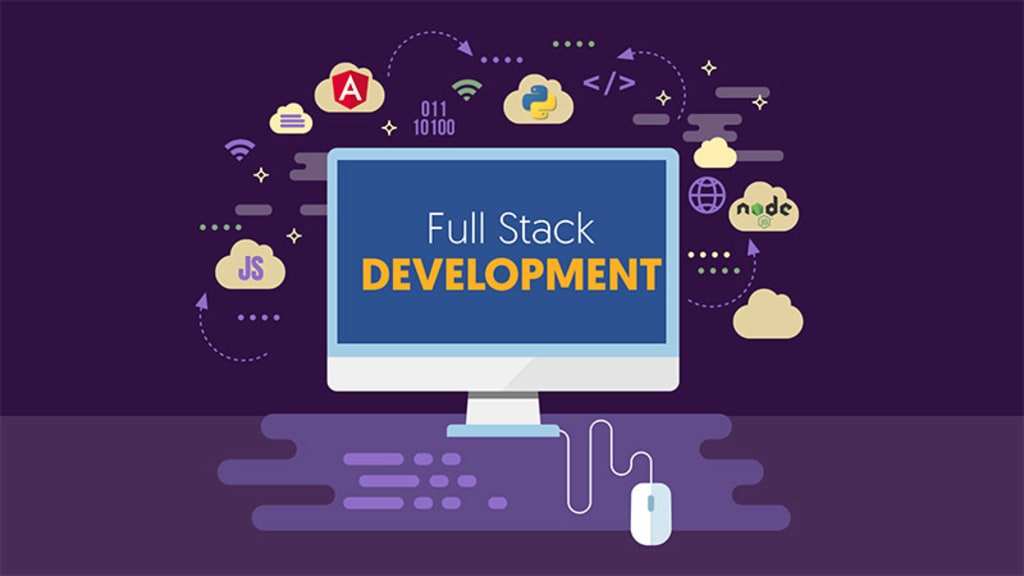
Full stack development is one of the most in-demand skills in the tech industry today. It refers to a developer's ability to work on both the frontend (the part users interact with) and the backend (server-side) of a web application. Mastering full stack development means gaining expertise in a wide array of technologies, tools, and frameworks that allow you to build, manage, and optimize an entire application from start to finish.
In this guide, we’ll cover everything you need to know to become a proficient full stack developer, including the necessary skills, tools, and career paths.
What is Full Stack Development?
A full stack developer is someone who can work on both the client-side (frontend) and server-side (backend) of web applications. This role requires knowledge of several technologies across both ends of the development process, allowing full stack developers to build complete web applications independently.
To become a full stack developer, you need to master key tools and technologies that encompass frontend development, backend development, databases, and version control.
Frontend Development
Frontend development focuses on the user-facing part of a web application. The goal is to create responsive, visually appealing, and user-friendly interfaces. Key technologies involved include:
- HTML: Structures the content of web pages.
- CSS: Adds styling and layout to the web pages.
- JavaScript: Adds interactivity and dynamic functionality to websites.
In addition to these basic tools, full stack developers should learn frontend frameworks and libraries such as React, Angular, or Vue.js to create modern web applications efficiently.
Backend Development
On the backend, full stack developers work with the server-side logic that powers the web application. This involves handling databases, APIs, and server management. Common backend languages include:
- Node.js (JavaScript-based)
- Python (with frameworks like Django or Flask)
- Java (Spring Boot)
- Ruby on Rails
- PHP
Backend development focuses on managing databases, user authentication, and API integration, ensuring that the server handles requests efficiently and securely.
Databases
No web application is complete without a database to store data. Full stack developers need to understand how to interact with both SQL (e.g., MySQL, PostgreSQL) and NoSQL (e.g., MongoDB) databases. Databases are essential for storing user information, content, and other critical data that your application needs.
- SQL Databases: Structured query language is used for relational databases.
- NoSQL Databases: A flexible, schema-less database used for handling large amounts of data.
Version Control
Version control allows developers to track changes, collaborate with others, and manage different versions of a project. Git is the most popular version control system, and platforms like GitHub or GitLab are widely used for managing repositories, collaborating with teams, and sharing code.
Tools and Technologies You Need to Master. Here’s a list of essential tools for a full stack developer:
Frontend: HTML, CSS, JavaScript, React/Angular/Vue.js
Backend: Node.js, Python, Ruby, PHP, or Java
Databases: MySQL, MongoDB, PostgreSQL
Version Control: Git, GitHub, GitLab
DevOps: Basic knowledge of cloud platforms like AWS, Docker, and CI/CD pipelines for deployment and scaling.
Why Become a Full Stack Developer?
Versatility: Full stack developers have the flexibility to work on both the frontend and backend, making them highly valuable in small teams and startups where roles can often overlap.
High Demand: Companies today value developers who can handle multiple aspects of a project. Full stack developers are in high demand because they can build a complete product with minimal resources.
Career Growth: Mastering full stack development opens many doors in the tech industry. With experience, full stack developers can advance to roles like lead developer, tech architect, or even CTO in startups.
How to Become a Full Stack Developer?
Start with the Basics: Learn HTML, CSS, and JavaScript to build simple websites.
Choose a Backend Language: Pick a server-side language like Python, JavaScript (Node.js), or PHP and learn how to build server-side logic.
Learn Databases: Get comfortable with both SQL and NoSQL databases to store and retrieve data efficiently.
Practice Version Control: Learn Git to track changes in your projects and collaborate with others.
Work on Full Stack Projects: Build real-world projects that require both frontend and backend development. This will help you gain experience and confidence in applying what you’ve learned.
Conclusion
Becoming a full stack developer allows you to understand the full cycle of web application development. From creating beautiful, functional frontends to handling the complex logic of the backend, you’ll be able to build complete applications from start to finish. Mastering full stack development requires dedication and practice, but it opens up vast career opportunities in the tech world. Get start your web development training at IT Training Indore.
So, if you're ready to become a well-rounded developer, start learning HTML, CSS, JavaScript, and your backend language of choice—and soon enough, you'll be on your way to mastering full stack development!
About the Creator
Ankit Vishwakarma
Hi my name is Ankit and I'm a content writer and digital marketing manager in IT Training Indore. I've work some different different domains like about animals feed and SaaS companies.
Check my blogs: https://www.ittrainingindore.in/
Keep reading
More stories from Ankit Vishwakarma and writers in Education and other communities.
Career in Website Designing: A Booming Industry in the World
The digital world is growing faster than ever, and website designing is at the heart of it all. Whether you're browsing your favorite online store, reading a blog, or checking out a company's services, what you see on the screen is the work of a website designer. It's a field that has grown rapidly in recent years and continues to expand, offering countless opportunities for those interested in a creative and technical career.
By Ankit Vishwakarmaabout a year ago in Education
Why Creative Thinking is the Catalyst for Higher Productivity
In many professional settings, creativity and productivity are often seen as separate, even conflicting, concepts. Productivity is typically associated with structure, deadlines, and measurable output, while creativity is considered unstructured, unpredictable, and harder to quantify. But this outdated thinking overlooks a critical truth: a creative mindset is a powerful driver of productivity.
By Norman Badgerabout 8 hours ago in Education
Smart Storage & Grading for U.S. Coin Collections: a Checklist
Phase 1: First Aid for Your Collection (The 24-Hour Triage) Before buying any special supplies, you need to perform some emergency triage. Think of this as stopping the bleeding. The goal here is to prevent any active damage right now.
By Laura Bennetta day ago in Education
Ludacris and Nelly draw backlash over bookings at MAGA-coded music festival
Ludacris and Nelly headlining a mostly right-wing event is good for them. It’s also great for the genre of hip hop. The two rap veterans have showcased their talents on other stages. Why can’t they perform for mostly MAGA folks and grab that bag?
By Skyler Saunders6 days ago in Beat



Comments
There are no comments for this story
Be the first to respond and start the conversation.