
Many Worlds in One Classroom: Teaching Cultural Respect in Nursery Settings
Cultural Awareness in Early Years

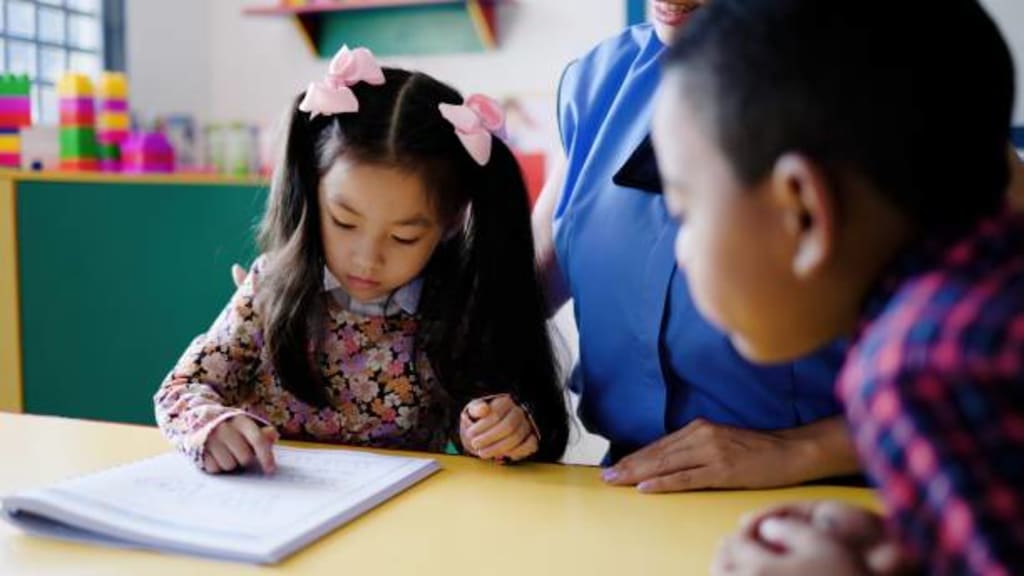
The nursery classroom is often the first place where children begin to understand the wider world beyond their family and home. It’s here that young minds encounter new languages, foods, celebrations, and traditions—each representing a different piece of our beautifully diverse global community.
Teaching cultural respect in nursery settings is not only about inclusion; it’s about nurturing empathy, curiosity, and kindness from the very beginning.
When children learn to appreciate differences early, they grow into individuals who value understanding over judgment and cooperation over division. A culturally respectful classroom celebrates both individuality and unity, showing children that while we may come from different backgrounds, we all share the same hopes, emotions, and dreams.
The Importance of Cultural Respect in Early Education
Early childhood is the most formative stage for developing attitudes and social awareness. During these years, children absorb what they see and hear with remarkable openness. This makes nursery education a powerful opportunity to introduce cultural respect—not as an abstract idea, but as a lived experience.
By celebrating diversity through stories, songs, festivals, and daily interactions, educators help children see differences as something to be curious about, not afraid of. This kind of exposure builds emotional intelligence and broadens their sense of belonging.
In nurturing environments like childcare in new malden, teachers integrate cultural learning naturally into play and exploration. Children might cook traditional dishes, listen to world music, or learn greetings in another language—all while discovering the joy of shared humanity.
Creating an Inclusive Classroom Environment
A classroom that honours diversity is one where every child feels seen and valued. Inclusion starts with representation—books, toys, and visuals that reflect various cultures, skin tones, and family structures.
When children recognize their own culture represented in the classroom, they feel pride; when they see others’, they develop respect.
Teachers can also encourage cultural sharing days, where families contribute songs, foods, or stories from their heritage. These experiences allow children to learn from one another and form connections built on curiosity and appreciation.
Inclusivity isn’t about highlighting differences for the sake of it—it’s about creating an environment where diversity feels normal and celebrated.
The Role of Educators in Modeling Respect
Children learn cultural respect primarily through observation. When educators model kindness, fairness, and curiosity toward other cultures, children naturally follow their lead.
The tone of the classroom—the way teachers speak, celebrate holidays, and handle questions about differences—sets the standard for how children perceive diversity.
For instance, when a child points out a peer’s different skin colour or lunch food, it becomes a teachable moment. Instead of ignoring or correcting curiosity, teachers can respond positively: “Isn’t it wonderful that we all have different favourites?” This reinforces that diversity is something to be appreciated, not hidden.
Educators also play a key role in challenging stereotypes and promoting inclusion in subtle, everyday ways. They can introduce multicultural stories, rotate cultural play materials, and encourage empathy-driven discussions even at a young age.
Play as a Bridge Between Cultures
Play is the universal language of childhood. It transcends cultural and linguistic boundaries, making it a powerful tool for connection. When children play together—sharing toys, building, pretending—they learn cooperation and mutual respect.
In a culturally diverse nursery, play also becomes a space for discovery. Role-play corners can feature international dress-up clothes, multicultural cooking sets, or musical instruments from around the world. These experiences help children explore different cultures with joy and creativity.
More importantly, shared play fosters empathy. When children laugh, build, and imagine together, they realize that what unites them is far greater than what divides them.
Building a Curriculum That Reflects the World
A culturally rich curriculum doesn’t need to be complicated—it needs to be intentional. Teachers can weave global awareness into everyday activities, from counting in different languages to exploring world art or learning about festivals like Diwali, Chinese New Year, or Eid.
When these lessons are approached with respect and authenticity, they help children appreciate diversity without tokenism. They begin to see that every culture contributes something unique and beautiful to the world.
At the best preschools in surrey, this approach is integrated into the fabric of learning. Educators create dynamic, inclusive classrooms that mirror the diversity of modern society. By doing so, they prepare children not just academically, but emotionally—for a global future built on respect and collaboration.
Partnering with Families to Celebrate Diversity
Cultural education works best when nurseries and families collaborate. Parents can share stories, traditions, and customs that enrich classroom learning. This collaboration not only enhances cultural understanding but also strengthens the sense of community within the nursery.
When families see their culture valued, they feel more connected and engaged. And when children see their parents participating in cultural activities, it reinforces the idea that diversity is something to be celebrated at home and in school alike.
The Neuroscience of Inclusion
Research in early childhood development shows that exposure to diversity at a young age helps shape open-minded, empathetic adults. When children experience positive interactions with peers from different backgrounds, their brains form neural pathways that associate difference with familiarity and comfort rather than fear.
This neurological foundation can last a lifetime—reducing prejudice and fostering compassion as children grow. Simply put, cultural respect isn’t just a moral lesson; it’s brain-building work that shapes how children engage with the world around them.
Preparing Global Citizens
By teaching cultural respect in nursery settings, educators are shaping the next generation of global citizens—children who can listen, understand, and collaborate with people from all walks of life.
These early lessons in empathy and respect will influence how children interact in school, in their communities, and eventually, in the world. In an increasingly connected world, these qualities are not optional—they’re essential.
Conclusion
The nursery classroom is a microcosm of the world—a place where many stories, languages, and traditions meet. When children learn to celebrate these differences with kindness and curiosity, they build the foundation for a more understanding, inclusive future.
By teaching cultural respect from the earliest years, nurseries nurture not only smart learners but compassionate humans—ones who see the beauty in every culture and the strength in unity. In doing so, they plant the seeds of empathy and global harmony, one small heart at a time.
About the Creator
William Henry
At Best Independent Schools UK, we are here to make your journey smoother by providing detailed information about some of the best nurseries and preparatory schools in England
Keep reading
More stories from William Henry and writers in Education and other communities.
Learning from Each Other: The Power of Mixed-Age Montessori Environments
In traditional early years education, children are typically grouped by age — three-year-olds with three-year-olds, four-year-olds with four-year-olds, and so on. While this structure may seem logical, Montessori education takes a different approach.
By William Henry3 months ago in Education
Image-to-text technology, also known as Optical Character
Image-to-text technology, also known as Optical Character Recognition (OCR), has transformed the way we interact with visual information. It allows machines to extract text from images, enabling various applications across multiple industries. From digitizing printed documents to reading text from scanned images, OCR plays a vital role in making printed content accessible, editable, and searchable. The need for such technology has grown exponentially with the increasing reliance on digital data and the rapid shift from physical to digital content in nearly all sectors of life. As the digital world continues to expand, image-to-text technology has paved the way for more seamless workflows, enabling businesses and individuals alike to save time, effort, and resources.
By Alexander Jackson5 days ago in Education
Most Sales Deals Fail Because Sellers Talk to the Wrong People
There is a quiet reason many sales conversations feel productive but go nowhere. Everyone leaves the call optimistic. Emails move back and forth. Documents get shared. Then momentum fades. Weeks pass. The deal stalls without a clear explanation.
By Armi Ponsica4 days ago in Education




Comments
There are no comments for this story
Be the first to respond and start the conversation.