
Learning from Each Other: The Power of Mixed-Age Montessori Environments
Mixed-Age Classrooms

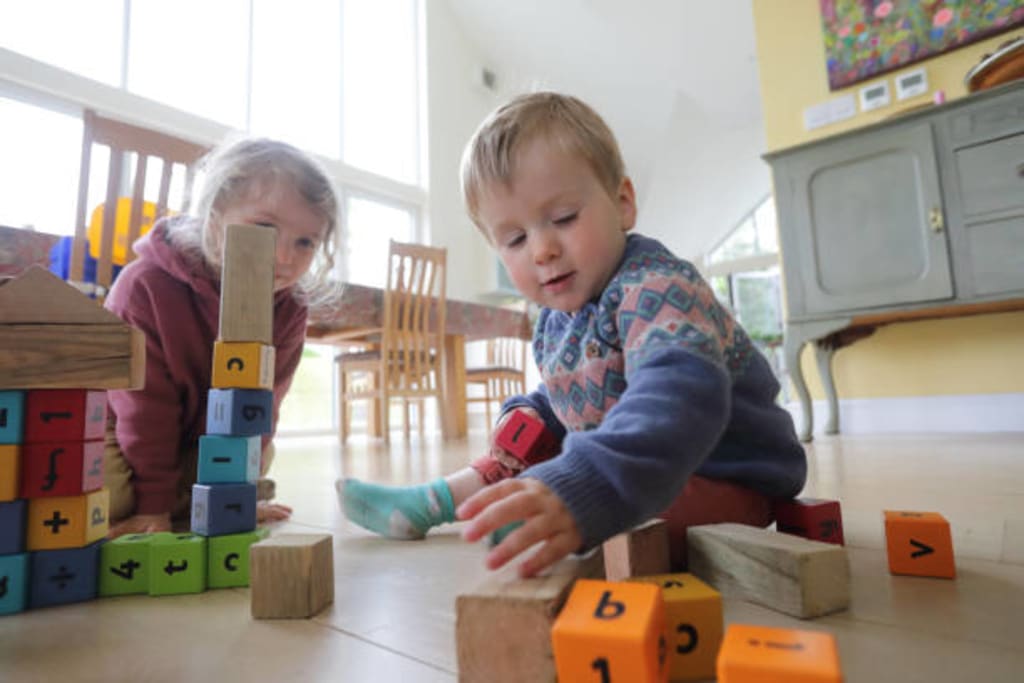
In traditional early years education, children are typically grouped by age — three-year-olds with three-year-olds, four-year-olds with four-year-olds, and so on. While this structure may seem logical, Montessori education takes a different approach.
In a mixed-age classroom, children from various age groups learn together in the same environment. This distinctive setup — a hallmark of Montessori philosophy — fosters collaboration, independence, and empathy in ways that single-age classrooms often cannot.
Mixed-age environments allow children to become both learners and teachers, nurturing confidence, compassion, and communication from an early age. They create a community where every child has something to give and something to gain, making learning a truly social and shared experience.
The Philosophy Behind Mixed-Age Learning
Dr. Maria Montessori observed that children naturally learn from each other. Younger children look up to their older peers and imitate their actions, while older children consolidate their learning by helping and guiding those who are younger.
This reciprocal relationship enriches both groups and builds a sense of belonging that strengthens the classroom community.
At a walton-on-thames nursery that follows Montessori principles, this approach is carefully structured and intentional. Teachers guide students in a way that promotes independence while encouraging collaboration. By observing one another, children learn patience, respect, and the value of cooperation — lessons that extend far beyond academic skills.
The Role of Peer Learning in Development
Peer learning is at the heart of Montessori’s success. In mixed-age classrooms, younger children are inspired to reach new milestones by observing older peers engaged in advanced work. They develop motivation naturally, without pressure or comparison.
Meanwhile, older children reinforce their knowledge through teaching. Explaining a concept or demonstrating a skill to a younger child deepens their understanding and boosts confidence.
This process not only strengthens academic skills but also cultivates empathy and leadership. Children learn that helping others is part of the learning process, fostering a positive, cooperative environment where mutual respect thrives.
Building Independence and Confidence
In Montessori classrooms, each child is seen as a capable individual. Mixed-age settings reinforce this belief by allowing children to progress at their own pace rather than conforming to a fixed curriculum.
Older students often serve as role models, demonstrating both academic and social maturity. Their actions show younger children how to take responsibility, care for materials, and engage respectfully with their surroundings.
As younger pupils gain independence and learn to complete tasks on their own, they, in turn, prepare to take on leadership roles when new students join. This natural cycle of mentorship and growth builds confidence and self-esteem in every child.
Social and Emotional Benefits
One of the most profound advantages of mixed-age Montessori environments is the emotional intelligence children develop. They learn patience, kindness, and communication through real-world interactions. In supporting one another, they experience the joy of teamwork and the importance of empathy.
Children in these settings tend to show higher levels of cooperation and lower levels of competition. Instead of comparing achievements, they celebrate progress — their own and their peers’. This creates a nurturing atmosphere that supports emotional well-being and self-worth.
Academic Growth Through Choice and Observation
Montessori education thrives on self-directed learning. In mixed-age classrooms, children choose activities based on interest and readiness rather than age.
This structure means that younger students are often exposed to more advanced materials earlier, while older students revisit foundational concepts as they help others. The result is a dynamic, flexible learning environment where curiosity drives progress.
Teachers play a vital role as guides, observing each child’s development and introducing new challenges when appropriate. This fluid approach ensures that learning remains engaging, personalised, and meaningful.
Creating a Sense of Community
Perhaps the greatest gift of a mixed-age Montessori environment is the sense of community it builds. Every child contributes to the group’s success, and the classroom becomes a microcosm of society — a place where differences are celebrated and cooperation is key.
Children learn that age does not define ability, and every individual has something unique to offer. These experiences lay the groundwork for strong interpersonal skills, preparing children to navigate the wider world with confidence and compassion.
Many montessori pre schools continue to uphold this tradition, ensuring that their classrooms mirror the inclusive, collaborative spirit of real life. In doing so, they cultivate learners who are not only academically capable but also emotionally intelligent and socially aware.
Long-Term Benefits of Mixed-Age Montessori Classrooms
The lessons learned in a mixed-age Montessori environment extend far beyond the nursery years. Children who grow up in these communities often display strong leadership, problem-solving, and communication skills later in life.
They are adaptable, empathetic, and confident — equipped with the qualities needed to succeed in diverse educational and social settings.
By learning from and teaching one another, Montessori students develop a sense of agency and interdependence that stays with them for years to come.
Conclusion
The mixed-age Montessori classroom is more than an educational model — it’s a living, breathing community of learners. Through collaboration, mentorship, and shared discovery, children grow intellectually, socially, and emotionally. They learn that education isn’t a competition but a journey taken together.
By blending independence with cooperation, Montessori nurseries help children understand one of life’s most valuable lessons: that we grow best when we learn from one another.
About the Creator
William Henry
At Best Independent Schools UK, we are here to make your journey smoother by providing detailed information about some of the best nurseries and preparatory schools in England
Keep reading
More stories from William Henry and writers in Education and other communities.
The Art of Independence: Teaching Life Skills Beyond the Classroom in Prep Schools
Education today is about so much more than high grades and exam results. The best schools recognise that true learning extends far beyond textbooks, encouraging children to think for themselves, take initiative, and grow in confidence.
By William Henry5 months ago in Education
Beginner Investing Blueprint: A Simple Path Toward Wealth and Financial Freedom
Investing is one of the most powerful ways to build wealth and reach financial freedom. Yet many people delay investing because it feels complex or risky. The truth is that investing does not need to be complicated. A clear beginner investing blueprint can help anyone start building a strong financial future.
By Millicent Prince7 days ago in Education
Ferrara Enterprises Inc: A Trusted Manufacturer of NSN Components for Aviation and Industrial Systems
In the aerospace and defense supply chain, reliable component manufacturers play a crucial role in maintaining aircraft systems and industrial equipment. One such manufacturer is Ferrara Enterprises Inc, a company associated with producing components that appear in various National Stock Number (NSN) catalogs used across aviation, defense, and industrial sectors.
By Beckett Dowhan3 days ago in Education



Comments
There are no comments for this story
Be the first to respond and start the conversation.