
Maintain your car or else
Doing so will save you a lot of money

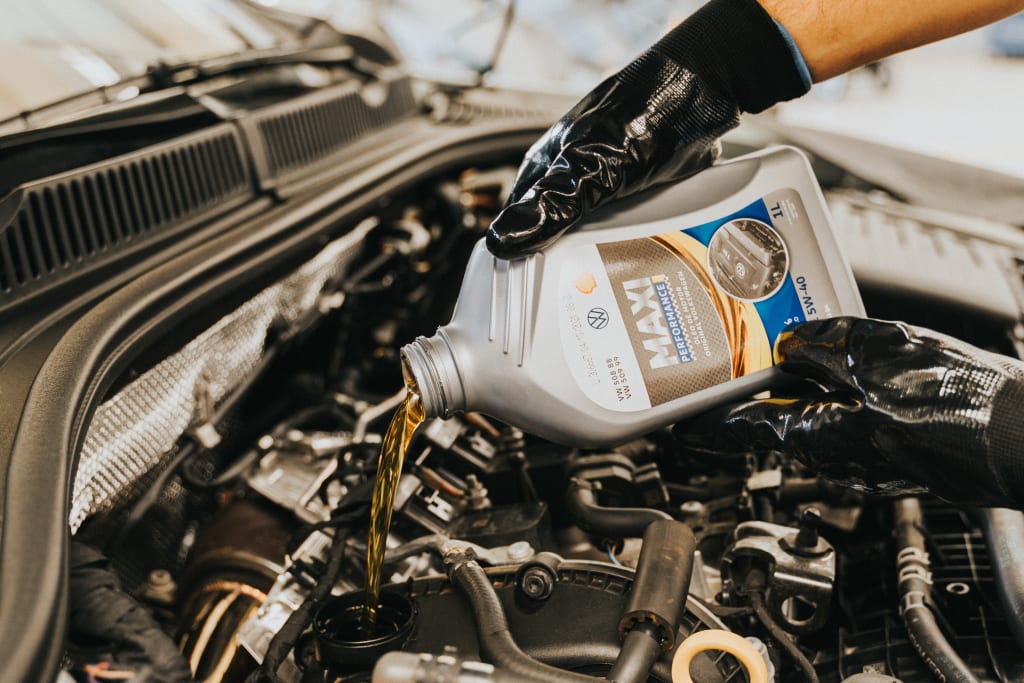
One of the best ways to save money and maintain your car is to change your engine oil yourself. Consistent changes of oil are strongly correlated with a long-lasting car. In order to change your oil, it's important that you do it the proper way. Over the years, both cars and the oil that goes in them have evolved, and it's important to understand the differences in order to properly maintain your vehicle.
Disclaimer: all cars are different, so it is integral that you perform the proper research and acquire the necessary tools prior to changing your oil, - assuming your car require oils. A word of advice, your car's manual is a great starting point. In older cars, conventional motor oil was typically used and changed every 3,000 miles. However, in modern cars with complex systems like variable valve timing, synthetic oil is highly recommended. These oils are lighter and better suited for the tighter tolerances found in newer engines. For example, in a 2020 Subaru WRX, 5w-30 oil is recommended, such as the Pennzoil Platinum oil (https://amzn.to/3CXY5W2). However, any quality synthetic oil can be used, as long as it matches the viscosity rating. Via Amazon, you can search for your recommended oil via its search tool. You can also find other products for your car such as cabin air filters, serpentine belts, air intake filters, and more (https://amzn.to/3J3Koc9).
It's also worth noting that the recommended oil change interval for newer cars has increased. For example, a Subaru WRX requires oil changes every 5,000 miles, and for late-model cars that use a 0w oil, the interval can be as long as 10,000 miles or once a year, as suggested by the manufacturer. Far too often, people debate which type of synthetic oil is the best. In my opinion, the cheapest full synthetic oil is the best. Unless your job is racing cars for a living, the difference, if any, is negligible at best. There's no need to fall for marketing gimmicks in terms of oil performance. If you're still unsure of which oil to use, then I would recommend the OEM brand. I recommend the OEM brand because the men and women who design, engineer, test, and manufacture your cars utilize the ingredients that they feel provide your car with the utmost performance; therefore, they're qualified to provide a credible opinion on which oil to use. Additionally, it's evidently important to use a better quality oil filter that can handle the longer interval between changes.
When choosing an oil filter, it's important to look for one that has more filtration material and a better seal. Personally, I use Wix (https://amzn.to/3ZJpq8f) filters because I hold to high regard the company's manufacturing process. Furthermore, these filters have the best offering in terms of price to performance. A good way to compare filters is to weigh them; with heavier filters generally having more material. Cutting the filters in half and comparing the insides can also give an idea of the quality of the filter - thankfully, other people have done this so you don't have to squander your hard-earned money. The cheaper filter will have less pleats and use a cheaper paper material, while the more expensive filter will have more pleats and a better composite material that can hold more dirt. Additionally, the anti-drain back valve on a better filter is usually made of metal, which is more durable than the plastic ones found on cheaper filters.
Changing the oil in a modern car is relatively easy and can be done at home with the right tools. First, the car needs to be jacked up a little, and a drain pan placed underneath to catch the old oil. The oil drain plug and the oil filter are then removed, and the new oil and filter are installed. It's important to remember to run the engine for a few minutes before changing the oil, and to wait 10 minutes for the oil to cool down. Also, it's recommended to use a new gasket when reinstalling the drain plug to prevent leaks.
Overall, understanding the differences between conventional and synthetic oil and how they apply to modern cars is crucial to maintaining your vehicle's performance and longevity. Additionally, paying attention to the recommended oil change intervals and using the right oil filter can help ensure that your engine is running at its best. Changing your oil yourself can save you money and give you peace of mind knowing that your car is well-maintained.
About the Creator
Chris Fortson
I am a passionate writer and avid reader who is always on the lookout for new adventures. Whether it's traveling to exotic locations, trying new and exciting foods, or simply taking some time to journal and reflect.
Keep reading
More stories from Chris Fortson and writers in Education and other communities.
Don't forget to wash your car
Washing your car may seem like a simple task, but there are a few things to keep in mind to ensure you're doing it the right way. Oftentimes, we forget about the small things in life, such as shining your shoes, cleaning your computer or in this case, washing your car. That's why it's important to take the time to do it properly.
By Chris Fortson 3 years ago in Filthy
Morgan Silver Dollars: A Beginner's Guide to Identifying Key Dates and Mint Marks
For over eight years as a Senior Numismatic Analyst, I've seen the glint in a new collector's eye when they hold their first Morgan Silver Dollar. It's a powerful feeling—the weight of 90% pure silver, the history in Lady Liberty's profile, the sheer size of America's most iconic coin. Yet, with hundreds of millions minted across 27 years and five mints, it's easy to feel overwhelmed. A common 1921 Morgan might be worth $50, while a pristine 1895 Proof commands over $100,000. The difference lies in the tiny details of dates and mint marks. This guide will give you the foundational map to navigate this classic series, turning confusion into confident identification.
By Laura Bennett5 days ago in Education



Comments
There are no comments for this story
Be the first to respond and start the conversation.