
Little Inventors at Play: The Neuroscience Behind Kids’ Creativity
From Play to Breakthroughs: How Kids’ Brains Build Creativity

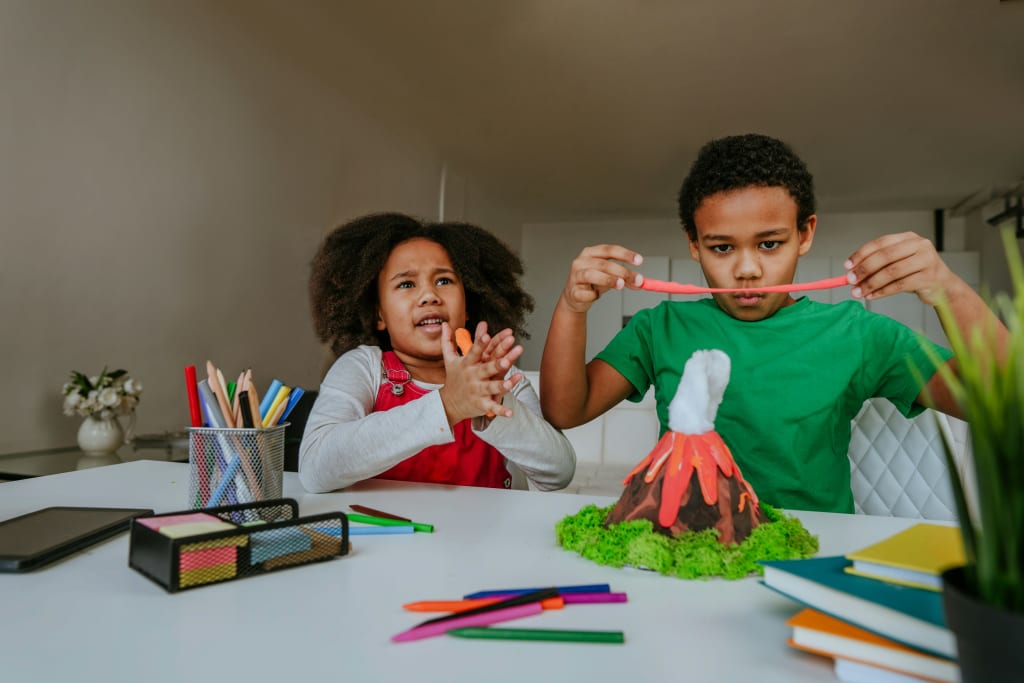
Imaginative play is one of the most natural ways children learn. When a living-room couch becomes a mountain or a spoon becomes a microphone, kids are practicing transforming reality with ideas. That act of “making believe” strengthens brain pathways tied to thinking, learning, and adapting.
Creativity in childhood isn’t a bonus skill—it’s a developmental engine. Through pretend scenarios, children explore cause and effect, experiment with roles, and build confidence in their own problem-solving. The brain absorbs these experiences like fuel, because play blends emotion and attention in a way that makes learning stick.
Imagination as a Workout for Flexible Thinking
Pretend play constantly invites children to shift gears. The story changes, new characters appear, and unexpected problems pop up—like a “storm” hitting the blanket fort or the “baby dragon” refusing to sleep. Each switch pushes the brain to practice cognitive flexibility, the ability to adapt thinking when circumstances change.
This flexibility becomes valuable far beyond playtime. Children who get regular practice adjusting plans tend to handle surprises better and recover faster from frustration. In simple terms, imaginative play helps kids get used to the idea that there’s more than one way to solve a problem.
Building Executive Function Through Play Scenarios
Executive function is the brain’s management system: planning, remembering, focusing, and controlling impulses. Imaginative play strengthens these skills because children must hold pretend rules in mind while continuing the action. If they’re playing “doctor,” they remember who the patient is, what tools are needed, and what happens next in the “checkup.”
Play also encourages kids to practice self-control without feeling pressured. They wait their turn to speak, stick to the role they chose, and pause to negotiate new rules. Those same mental skills later support classroom learning, goal-setting, and finishing tasks when motivation dips.
How Pretend Play Expands Language and Expression
When kids pretend, they narrate. They explain what’s happening, assign roles, and create dialogue for characters. This strengthens vocabulary and helps children practice forming clear sentences with a purpose: keeping the story alive and making their ideas understood.
Pretend play also improves expressive confidence. A child learns how to persuade a sibling to join their game, how to clarify misunderstandings, and how to adjust their words based on a listener’s reaction. Over time, this makes communication smoother and supports early literacy skills, such as storytelling and comprehension.
Emotional Growth in a Safe “Practice World”
Imaginative play provides children with a safe space to explore their feelings. They can act out fear, bravery, sadness, jealousy, or excitement through characters instead of talking about emotions directly. That distance can make complicated feelings easier to process, because it’s the character who is upset—not the child.
Kids also rehearse coping strategies in real time. They might calm a “nervous astronaut,” comfort a “lost puppy,” or solve a conflict between “two kings.” These playful rehearsals help children build emotional vocabulary and learn that feelings can be managed, not just endured.
Social Skills: Sharing Power, Sharing Stories
Group pretend play is social learning in motion. Children negotiate who plays what, decide the rules, and adjust when someone brings a new idea. This requires cooperation, patience, and an ability to compromise—all skills that are harder to teach through lectures than through lived experience.
It also teaches subtle social awareness. Kids read facial expressions, notice when a friend is left out, and learn how to repair hurt feelings to keep the game going. These small moments build empathy and strengthen the ability to navigate friendships with confidence and care.
The Role of Open-Ended Materials in Creativity
The best creativity tools are often simple. Blocks, dress-up clothes, dolls, toy animals, art supplies, and even recyclables like boxes and paper tubes invite children to invent instead of consume. Open-ended materials don’t dictate a single “correct” use, so children practice generating ideas and making decisions.
Adults can support this by offering variety without taking control. Rotating a few props, leaving space for messy experiments, and welcoming silly ideas can keep play rich and self-directed. The goal is to provide ingredients for imagination, not a script.
Turning Playtime Into a Brain-Boosting Habit
Time is one of the most essential factors for meaningful imaginative play. Children often need several minutes to “enter” the pretend world, and deeper play happens when they aren’t rushed. Protecting unstructured time helps kids build longer attention spans and more complex storylines.
The long-term payoff is powerful: creative kids become more resilient learners. They’re used to trying, revising, and trying again. When children regularly engage in imaginative play, they aren’t just playing pretend—they’re strengthening the brain skills that support lifelong learning, relationships, and innovation.
About the Creator
Marissa Haugh
Marissa Haugh, Oceanport-based wellness coach, helps clients transform health with personalized nutrition, fitness programs, and compassionate child development support.
Portfolio: https://marissahaugh.com/
Keep reading
More stories from Marissa Haugh and writers in Education and other communities.
Harmony in Health: Embracing a Holistic Path for Mind, Body, and Family Wellness
In modern society, health is often narrowly defined by the absence of illness or physical symptoms. However, holistic health offers a broader and more meaningful perspective, emphasizing the connection between the mind, body, and spirit, as well as the family. True wellness extends beyond simply eating well or exercising; it is about achieving balance, nurturing emotional well-being, and fostering strong family relationships. By embracing a holistic approach, individuals can lead more fulfilling lives while fostering an environment that supports family growth and well-being.
By Marissa Haugh4 months ago in Education




Comments