
LIFE OF AN ARCHITECT
EASY WAYS TO BECOME AN ARCHITECT
A career as an architect can be lucrative and challenging. Buildings and other structures must be both useful and visually beautiful, which is the responsibility of architects. To make sure that their designs satisfy the requirements of their clients while following safety and building rules, they collaborate with clients, engineers, constructors, and other experts. Depending on the stage of the project they are working on, an architect's typical day can vary greatly. An architect may devote a significant amount of time in the beginning to meeting with clients to discuss their requirements and ideas as well as to researching zoning laws, building codes, and other rules. Students might also spend some time lining ideas for the project in sketches.
ARCHITECTURE
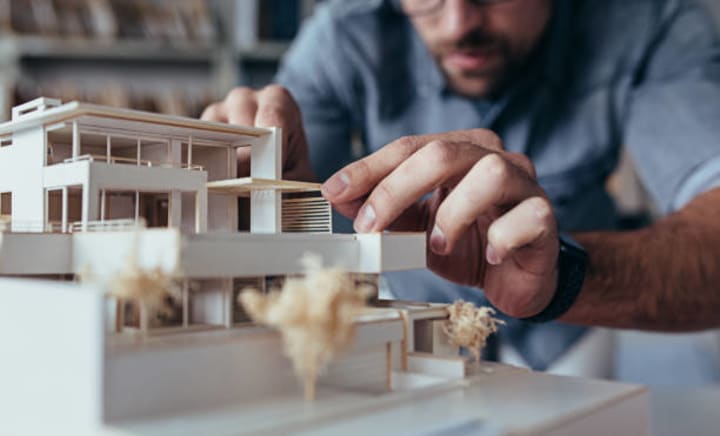
The design and construction of buildings and other physical structures is the art and science of architecture. The planning, designing, engineering, and management of the construction of buildings, landscapes, and other structures are only a few of the many tasks that fall under this broad category.
INTERIOR DESIGNING
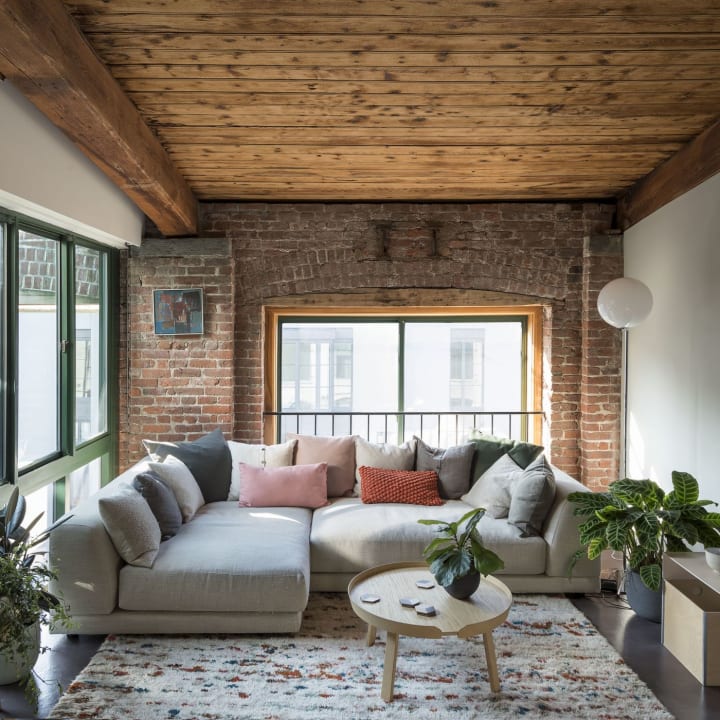
Interior design is the art and science of enhancing the interior of a space to achieve a healthier and more aesthetically pleasing environment for the people using the space. It involves the selection and arrangement of decorative elements, furnishings, and lighting to create a functional and attractive space. The primary goal of interior design is to improve the quality of life for those who use the space, by maximizing its functionality and creating a comfortable and visually appealing environment. It takes into account the purpose of the space, the needs of its occupants, and their aesthetic preferences. Interior designers work closely with their clients to develop a design plan that meets their needs and expectations.
BEDROOM DESIGN
The design of the room should be taken into account first. To make the most of the room and design a practical arrangement, the placement of the bed, closet, and other furniture should be carefully studied. The bed should be positioned such that it is simple to access and does not block windows or other natural light sources. Another crucial component of bedroom design is lighting. For many tasks, like reading, getting dressed, and relaxing, proper illumination is crucial. A cosy and welcoming ambiance can be produced by combining ambient, task, and accent lighting. Moreover, dimmer switches can be fitted to change the illumination levels according to the mood.
TOWNSHIP PLANNING
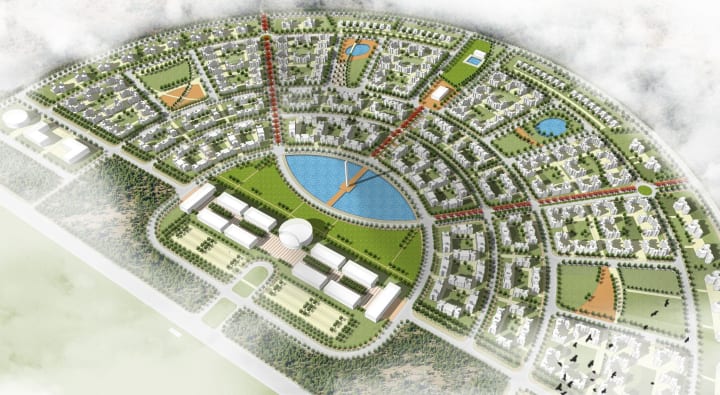
The process of developing well-planned, useful communities that are sustainable, habitable, and suit the requirements of their citizens is known as township planning design. It involves a variety of factors, including as land use, travel, housing, and amenities for the local community. To instill a sense of place and community in a chosen region is the main objective of township planning design. This implies that elements that promote social engagement and interaction among inhabitants should be incorporated into the design. Public areas like parks and plazas, community centres, and pedestrian-friendly streetscapes are a few examples of these elements. Land usage is a crucial component in township planning design. To make sure that the community is both functional and economically viable, it is important to carefully analyse the distribution of land for different uses, including residential, commercial, and industrial ones. Residential districts, for instance, should be close to parks, schools, and other community amenities, whereas commercial and industrial sectors should be situated near transit hubs.
MATERIALS IN ARCHITECTURE
The fundamental components of architecture are materials. These are the components that determine how a structure feels, looks, and functions. Architects employ a number of materials to bring their concepts to life, including steel, wood, concrete, and glass. For a building to be both visually beautiful and structurally sound, the materials used must be carefully chosen. When designing, it's important to take diverse materials' unique properties into consideration.

For instance, wood is lightweight and pliable yet steel is sturdy and long-lasting. It's critical to choose the appropriate material for the project because every material has a different set of characteristics.
URBAN DESIGN
In the US, an urban design project would entail the planning and development of public areas, buildings, transportation networks, and infrastructure in a specific urban region with the goal of producing environments that are practical, enticing, and sustainable for people to live, work, and play in.

Some key steps in an urban design project might include:
- Conducting a site analysis to understand the physical, social, economic, and environmental conditions of the project area.
- Setting goals and objectives for the project, based on input from stakeholders, community members, and relevant regulations and policies.
- Developing conceptual design ideas, based on the goals and objectives, and testing them through feedback and analysis.
- Refining the design concepts into a final design, with input from stakeholders and technical experts.
- Preparing construction documents and specifications, and overseeing the construction process to ensure the design is implemented correctly.
- Monitoring the project after completion to evaluate its success and identify opportunities for improvement.
Undoubtedly, the particulars of an urban design project will change depending on its location, size, and goals.
CONCLUSION
An architect's life combines structure, creativity, and passion with a special mix of benefits and challenges. The advantages of being an architect are ultimately found in the joy of seeing a concept come to fruition. An architect's path is full of inspirational moments, hard effort, and teamwork. Our lives are significantly impacted by architecture. Architecture has been utilized to design beautiful, secure spaces throughout history, from the ancient towns of Mesopotamia to the contemporary skylines of New York City. It has also been used to establish a sense of identification and belonging, as well as to express authority and prestige. Simply put, architecture may be a window into the past as well as a projection of the future. In contemporary architecture, the use of solar power, green roofs, and other sustainable materials is growing in popularity. The effect of architects' designs on the surroundings must also be taken into account. Architects must think about how their designs will affect the environment and how they might be used to promote sustainability and lessen the carbon footprint of their projects, from the materials used to the building's energy efficiency. The influence of architecture is extensive and significant. The need for more ecological and energy-efficient buildings is growing, and architects are being asked to create buildings that are both visually beautiful and environmentally responsible. In summary, architecture is a potent tool for improving the world.
About the Creator
Keep reading
More stories from writers in Education and other communities.
From Volume to Value: Why Value-Based Healthcare Is Redefining Modern Medicine
The healthcare system in the United States is changing in a calm but meaningful way. For decades, care was built around volume. Providers were paid based on how many services they delivered. More visits and more procedures often meant higher revenue. Today, that approach is slowly giving way to a new model called value-based healthcare.
By Evan Weiss St Louis6 days ago in Education
THE STORY OF LIGHT: A TRIBUTE TO DR. SHIRLEY ANN JACKSON AND THE AGE OF FIBER
Before the world could whisper through glass, before light itself carried our voices across continents, before fiber‑optic lines spread across the nation like glowing nerves of a digital body— there was a girl in Washington, D.C.
By TREYTON SCOTTa day ago in Education


Comments
There are no comments for this story
Be the first to respond and start the conversation.