
Lessons from Hiroshima and Nagasaki: What We Should Learn
Hiroshima and Nagasaki, August 6th and 9th, 1945
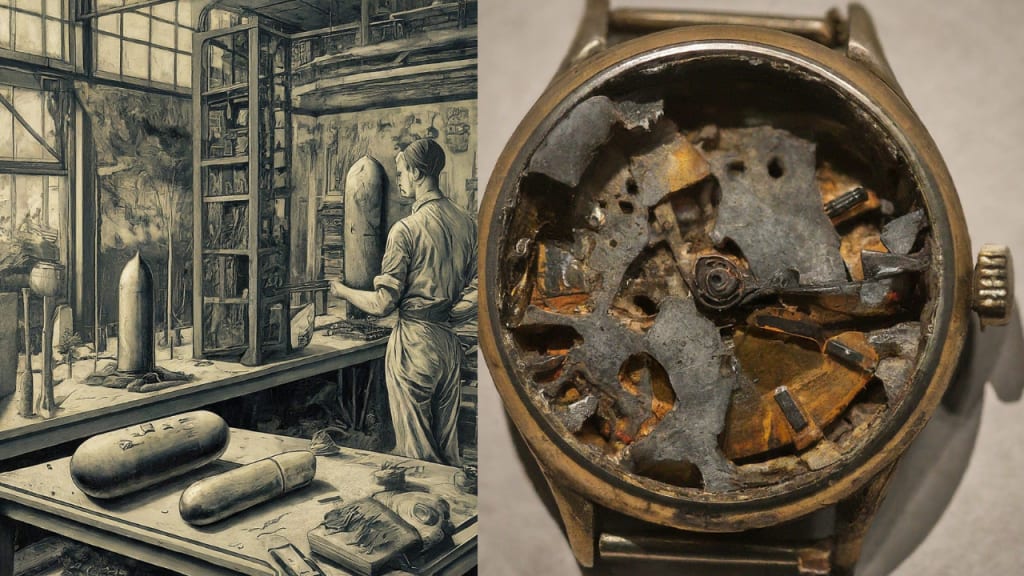
The atomic bombings of Hiroshima and Nagasaki in 6th and 9th August 1945 marked a devastating chapter in human history. The bombings not only ended World War II but also introduced the world to the destructive power of nuclear weapons. Over the years, these events have left us with important lessons that we must learn to ensure a better future for humanity. This article explores the key lessons we should take away from the bombings of Hiroshima and Nagasaki.
Understanding the Destruction
The Immediate Impact
On August 6, 1945, the United States dropped an atomic bomb on Hiroshima, and three days later, another bomb was dropped on Nagasaki. The immediate impact was catastrophic. In Hiroshima, the bomb killed an estimated 70,000 people instantly, and by the end of the year, the death toll had risen to around 140,000. In Nagasaki, approximately 40,000 people were killed instantly, with the total deaths reaching 70,000 by the end of 1945.
Long-Term Effects
The survivors, known as hibakusha, faced long-term health issues, including cancer, radiation sickness, and genetic damage. The environment was also severely affected, with radiation causing long-lasting harm to the land and water sources.
The Importance of Peace
The Horrors of War
The atomic bombings highlighted the horrors of war and the unimaginable suffering it brings. They serve as a stark reminder of the importance of maintaining peace and resolving conflicts through dialogue and diplomacy rather than violence.
Global Peace Movements
In the wake of the bombings, global peace movements gained momentum. Organizations and individuals around the world began advocating for nuclear disarmament and promoting peaceful coexistence among nations. The bombings underscored the need for a collective effort to prevent future wars and build a world based on mutual respect and understanding.
The Need for Nuclear Disarmament
The Threat of Nuclear Weapons
The bombings demonstrated the destructive potential of nuclear weapons. Today, nine countries possess nuclear weapons, and the threat of nuclear war remains a significant concern. The lessons from Hiroshima and Nagasaki emphasize the need for complete nuclear disarmament to ensure global security.
International Agreements
Various international agreements have been made to control and reduce nuclear weapons. The Treaty on the Non-Proliferation of Nuclear Weapons (NPT), established in 1968, aims to prevent the spread of nuclear weapons and promote disarmament. The Comprehensive Nuclear-Test-Ban Treaty (CTBT), which bans all nuclear explosions, was adopted in 1996 but has yet to come into force. These agreements are steps in the right direction, but more needs to be done to achieve a nuclear-free world.
The Role of Education
Teaching the Next Generation
One of the key lessons from Hiroshima and Nagasaki is the importance of educating the next generation about the dangers of nuclear weapons and the value of peace. Schools and educational institutions play a crucial role in imparting this knowledge and fostering a culture of peace.
Remembering History
It is essential to remember and reflect on the history of Hiroshima and Nagasaki to ensure that such tragedies are never repeated. Memorials, museums, and events dedicated to the victims of the bombings serve as reminders of the past and educate people about the consequences of nuclear warfare.
The Power of Resilience
The Spirit of the Hibakusha
The resilience of the hibakusha is a powerful lesson in human strength and courage. Despite facing unimaginable hardships, many survivors dedicated their lives to advocating for peace and sharing their stories with the world. Their experiences and testimonies serve as a source of inspiration and a reminder of the human capacity to overcome adversity.
Rebuilding and Recovery
The cities of Hiroshima and Nagasaki have shown remarkable resilience in rebuilding and recovering from the devastation. Today, they stand as symbols of peace and hope, demonstrating the power of human determination and the possibility of a better future even after the darkest times.
The Role of International Cooperation
Working Together for a Safer World
The bombings of Hiroshima and Nagasaki highlighted the need for international cooperation in addressing global threats. Nations must work together to promote peace, security, and stability. Collaborative efforts in areas such as arms control, disarmament, and conflict resolution are essential to prevent future tragedies.
The United Nations and Global Initiatives
The United Nations (UN) has played a vital role in promoting peace and security worldwide. Various UN initiatives, such as the International Day for the Total Elimination of Nuclear Weapons, aim to raise awareness about the dangers of nuclear weapons and encourage disarmament efforts. These global initiatives are crucial in building a safer and more secure world for future generations.
The Ethical Responsibility
The Moral Implications
The bombings raise important ethical questions about the use of nuclear weapons and the responsibility of those who possess them. The immense destruction caused by these weapons calls for a moral re-evaluation of their existence and use. Nations must consider the ethical implications and work towards a world where nuclear weapons are no longer seen as tools of power.
The Call for Humanitarian Action
The humanitarian impact of the bombings underscores the need for a human-centered approach to security. Efforts to address the consequences of nuclear warfare, such as providing support and compensation to victims, are essential. Additionally, promoting humanitarian disarmament initiatives that prioritize human well-being over military interests is crucial for creating a safer world.
The Pursuit of Justice
Accountability and Reconciliation
Justice for the victims of Hiroshima and Nagasaki involves acknowledging the suffering they endured and ensuring accountability for actions that caused such devastation. Reconciliation efforts, including apologies and reparations, play a significant role in healing and moving forward.
Legal Frameworks
Establishing robust legal frameworks to prevent the use of nuclear weapons is vital. International laws and treaties must be strengthened and enforced to hold nations accountable and deter the use of these weapons. Legal measures are essential in building a just and secure world.
Conclusion
The atomic bombings of Hiroshima and Nagasaki serve as powerful reminders of the devastating impact of nuclear weapons. The lessons learned from these tragic events emphasize the importance of peace, nuclear disarmament, education, resilience, international cooperation, ethical responsibility, and justice. By embracing these lessons, we can work towards a future free from the threat of nuclear warfare and build a world based on mutual respect, understanding, and lasting peace.
About the Creator
Time Management Hacks Every Entrepreneur Should Know
Running a startup demands more than hustle—it requires precision in how you use your time. As a founder, your daily choices directly impact your company’s growth, culture, and long-term sustainability. Without the right strategies, it's easy to get overwhelmed by tasks and lose sight of what truly matters. Mastering a few smart productivity habits can dramatically improve how you work.
By Per Jacob Solli3 days ago in Education
The "Free" Lead Trap: Why New Real Estate Agents Are Paying a Hidden Price
In the early stages of a real estate career, an agent’s most precious asset isn't their luxury car, their high-end camera gear, or a downtown office lease. It is their time. Yet, for many new professionals, time is the one resource they are most willing to squander in exchange for the "dopamine hit" of a smartphone notification.
By SiftlyLeads2 days ago in Education



Comments (1)
Amazing article