
Legal Highs
Legal Highs: The Unregulated World of Synthetic Drugs

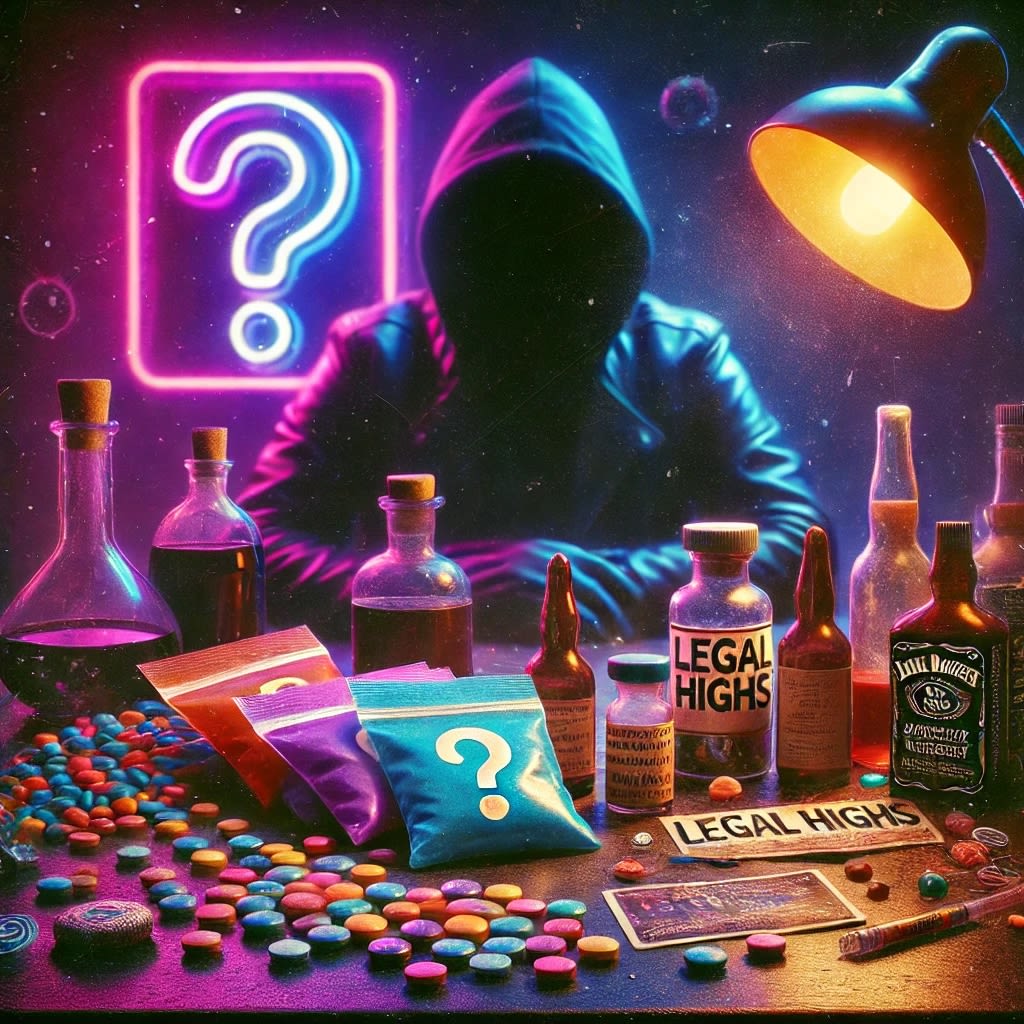
Legal Highs: The Unregulated World of Synthetic Drugs
Introduction
The allure of a "legal high" is like a siren's call to thrill-seekers and the curious alike. It promises the ecstasy of the forbidden but with the comforting notion that you’re not breaking the law—or at least not yet. In reality, though, dabbling in the world of synthetic drugs is akin to playing Russian roulette with a gun where every chamber is loaded. If you think that’s an exaggeration, buckle up. We’re about to take you on a journey through a world where legality is as fluid as the next chemical tweak, and where the stakes are nothing short of life and death.
In this deep dive, we’ll dissect the synthetic drug scene, exploring its history, its many forms, and the terrifying health risks it poses. We’ll also look at how these substances skirt the law and the challenges that governments and law enforcement face in trying to clamp down on them. And because we all need a bit of a laugh to get through the day, we’ll do it all with a healthy dose of humour—because if you can’t laugh at the absurdity of it all, you might just cry.
A Brief History: From Laboratories to Living Rooms
The Origins of Synthetic Drugs
Picture the scene: it’s the 1980s, and in a sterile, white-walled lab, scientists in white coats are hard at work, tweaking chemical compounds to understand how they affect the brain. These weren’t mad scientists cackling over bubbling beakers—they were legitimate researchers trying to push the boundaries of medical science. Their goal? To create compounds that could help them understand, treat, and maybe even cure diseases. What they didn’t realise was that their groundbreaking work would soon be hijacked by those with much less noble intentions.
From Research to Recreation
Synthetic cannabinoids, for instance, were originally developed in the quest to understand how THC, the psychoactive component of cannabis, interacts with the brain’s receptors. It was all very scientific, with charts, graphs, and lots of head-scratching. But then something happened that no one quite expected. Underground chemists—let’s call them the black market’s version of Steve Jobs—took these complex formulas and turned them into recreational drugs that could mimic the effects of cannabis, but with a few sinister twists.
By the time the 1990s rolled around, these compounds had started to leak out of the labs and into the streets. The recreational drug market had a new player—synthetic drugs. These substances weren’t grown or harvested; they were created, often with a chilling lack of concern for the consequences. And thus, the unregulated world of synthetic drugs was born.
The Evolution of the Synthetic Drug Market
Fast forward to today, and the synthetic drug market has exploded. What started as a few compounds tinkered with in labs has morphed into a global industry worth billions. It’s a bit like the evolution of mobile phones—from the bulky bricks of the ’80s to the sleek, pocket-sized powerhouses of today. But instead of bringing convenience and connectivity, synthetic drugs bring danger and unpredictability.
The synthetic drug market is a shape-shifting beast. New compounds are constantly being developed, with manufacturers tweaking formulas to stay one step ahead of the law. It’s a cat-and-mouse game where the stakes couldn’t be higher, and the losers are often those who think they’re simply in for a good time.
Types of Synthetic Drugs: A Chemical Buffet of Bad Ideas
When it comes to synthetic drugs, the variety is both staggering and terrifying. These aren’t just knock-offs of natural substances; they’re entirely new creations, each with its own set of risks. Let’s take a closer look at the main categories of synthetic drugs and why they’re more dangerous than a bull in a china shop.
Synthetic Cannabinoids: The Devil’s Lettuce Knock-Off
If regular cannabis is a smooth jazz album, synthetic cannabinoids are a death metal concert in your brain. Sold under names like "Spice," "K2," and "Black Mamba," these drugs were initially marketed as legal alternatives to marijuana. The reality, however, is that they’re far from a safe substitute. While natural THC binds to cannabinoid receptors in the brain with a relatively gentle touch, synthetic cannabinoids latch on with the ferocity of a rabid dog.
The Dangers of Synthetic Cannabinoids
What makes synthetic cannabinoids so dangerous is their unpredictability. The effects can range from a mild, pleasant high to extreme anxiety, paranoia, and even full-blown psychosis. It’s like playing roulette, but instead of a casino, you’re in a padded cell. And that’s just the beginning—these substances can also cause severe physical health problems, including seizures, kidney damage, and in some cases, death.
Synthetic Cathinones: Bath Salts—Not the Relaxing Kind
Synthetic cathinones, commonly known as "bath salts," are the unholy offspring of stimulants like cocaine and amphetamines. These drugs are chemically similar to cathinone, a stimulant found in the khat plant. But while chewing khat might give you a mild buzz, synthetic cathinones are more likely to send you on a trip straight to A&E.
The Bath Salts Epidemic
The term "bath salts" might sound harmless—who wouldn’t want to soak in a nice, relaxing bath after a long day? But these aren’t the kind you’d want anywhere near your tub. Bath salts became infamous in the early 2010s after a spate of bizarre and violent incidents linked to their use. The most notorious case involved a man in Miami who, under the influence of bath salts, attacked a homeless man and attempted to eat his face. It was like something out of a zombie movie, but it was all too real.
Health Risks: The health risks of synthetic cathinones are severe and varied. They can cause extreme agitation, hallucinations, and violent behaviour. Users might experience a surge of energy and euphoria, but this is often followed by intense paranoia, delusions, and a sudden, terrifying crash. Physically, bath salts can lead to heart attacks, seizures, and even death.
Synthetic Hallucinogens: A Trip to Hell
Natural hallucinogens like magic mushrooms, Mescaline, Peyote, and LSD (like LSD is natural right!) have a long history of use, both recreationally and in various cultural rituals. They’re known for their mind-bending effects, which can be both awe-inspiring and terrifying. Synthetic hallucinogens, however, take this to a whole new level. These drugs, like 25I-NBOMe (commonly known as "N-Bomb"), are designed to mimic the effects of natural psychedelics, but with far less predictability and a much higher risk profile.
The Perils of Synthetic Hallucinogens
One of the biggest dangers of synthetic hallucinogens is their potency. A dose as small as a few micrograms can be enough to induce intense hallucinations, and because the drugs are so powerful, it’s easy to overdose. Unlike natural hallucinogens, which have been used for centuries and are relatively well-understood, synthetic versions are new, untested, and can have effects that range from the mystical to the nightmarish.
Synthetic Opioids: Death in a Dose
If synthetic cannabinoids are the wolves in sheep’s clothing of the drug world, synthetic opioids are the grim reapers. Opioids like fentanyl and its analogs are incredibly potent painkillers, often used in medical settings to treat severe pain. But on the streets, these drugs are far more deadly. Fentanyl, for example, is up to 100 times stronger than morphine, and just a few milligrams—about the size of a few grains of salt—can be fatal.
The Rise of Fentanyl and Its Deadly Consequences
Fentanyl has become notorious in recent years as the driving force behind the opioid epidemic, particularly in North America. It’s often mixed with other drugs like heroin or cocaine, sometimes without the user’s knowledge, leading to a sharp increase in overdose deaths. The reason is simple: it’s cheap, it’s potent, and it’s easy to manufacture. But it’s also incredibly deadly.
Health Risks: The effects of synthetic opioids are similar to those of natural opioids but much more intense. They can cause euphoria and pain relief, but they also depress the central nervous system, leading to respiratory failure and death. The overdose risk is so high that even a tiny miscalculation in dosage can be fatal.
Why Are They Called "Legal Highs"? The Legal Loophole Tango
The term "legal highs" is one of the most misleading labels in the drug world. It suggests a sense of safety and legitimacy, a legal loophole that somehow makes these substances acceptable. But the truth is that these drugs are only "legal" in the most technical sense, and their legality is often short-lived.
Exploiting Legal Loopholes
The manufacturers of synthetic drugs are like the hackers of the chemical world. They’re constantly probing the legal system, looking for vulnerabilities to exploit. When one compound is banned, they simply tweak the formula, creating a new drug that isn’t yet illegal. It’s a bit like Whac-A-Mole, except the stakes are far higher.
This cat-and-mouse game between drug manufacturers and regulators means that by the time a particular substance is banned, it’s often already been replaced by a dozen new variants. The pace of this innovation outstrips the ability of governments to keep up, leaving a dangerous gap where these substances can be sold legally, at least for a time.
The Challenge for Law Enforcement
For law enforcement, synthetic drugs present a unique and frustrating challenge. Traditional drug laws are designed to target specific substances, but the constantly shifting landscape of synthetic drugs makes this approach less effective. Instead, many countries have begun implementing laws that ban entire categories of substances based on their effects rather than their chemical composition.
But even this broader approach has its limitations. The global nature of the synthetic drug trade means that these substances can be manufactured in one country, shipped to another, and sold online to customers around the world. Tracking the production and distribution of synthetic drugs is a monumental task, and prosecuting those responsible is even harder.
The Unseen Dangers
The legality of these substances can lull users into a false sense of security. After all, if it’s legal, how bad can it be? But the truth is that the "legal" status of synthetic drugs is often just a temporary loophole. And even if a substance is legal, that doesn’t mean it’s safe. Many synthetic drugs are far more dangerous than their illegal counterparts, with effects that are unpredictable and often deadly.
Real-Life Example: Take the case of "Ivory Wave," a synthetic cathinone that was legally sold in the UK as a bath salt. It was marketed as a harmless product, but in reality, it was anything but. After a series of deaths linked to its use, including one where a young man died of a heart attack after using the drug, the substance was finally banned. But by then, the damage had already been done.
The Chemistry Behind Synthetic Drugs: Mad Science Meets Street Smarts
Behind every synthetic drug is a complex chemical formula, designed not in the pristine labs of pharmaceutical companies but often in the dingy backrooms of clandestine operations. Let’s break down what goes into making these dangerous substances and why they’re so unpredictable.
How Synthetic Drugs Are Made
At its core, the creation of synthetic drugs is all about chemical manipulation. Chemists start with a known psychoactive substance—something that has a specific effect on the brain. Then, they get to work altering its chemical structure. This could involve adding a new molecule, removing one, or substituting one element for another. The goal is to create a compound that produces the same or similar effects as the original substance but is legally distinct enough to evade existing drug laws.
For example, synthetic cannabinoids are designed to interact with the same brain receptors as THC, the active ingredient in marijuana. But because they have a different chemical structure, they’re not technically THC, which means they’re not covered by laws banning cannabis. The result is a new drug that can be sold legally—at least until the law catches up.
The Role of Clandestine Labs
The production of synthetic drugs often takes place in clandestine labs. These aren’t the high-tech facilities you see in pharmaceutical ads; they’re more like the kind of place you’d expect to find in a crime drama. Think dirty, cramped spaces with questionable hygiene standards and a complete lack of oversight. The chemists working in these labs aren’t following any sort of safety protocols, which means the quality and consistency of the drugs they produce can vary wildly.
This lack of regulation is one of the biggest dangers of synthetic drugs. In a regulated lab, there are strict standards to ensure that the products being made are consistent, safe, and effective. But in the world of synthetic drugs, there’s no such assurance. One batch of a drug might be relatively harmless, while the next could be lethal.
The Unpredictability Factor
Because synthetic drugs are made in such a haphazard way, their effects can be incredibly unpredictable. Users might think they know what they’re getting, but the truth is that they’re rolling the dice every time they take one of these substances. The same drug, bought from the same dealer, could have completely different effects from one batch to the next.
This unpredictability is compounded by the fact that users often have no idea what they’re actually taking. A package might be labelled as a specific substance, but in reality, it could contain any number of chemicals, some of which could be toxic or even deadly.
The Appeal of Synthetic Drugs: Cheap Thrills with Expensive Consequences
Despite the well-documented risks, synthetic drugs continue to be popular, particularly among certain groups. Understanding why these substances are so appealing can help explain why they’re so difficult to combat.
Accessibility and Cost
One of the biggest draws of synthetic drugs is their accessibility. Unlike traditional drugs, which often require a connection to a dealer and a willingness to engage in illegal activity, synthetic drugs can often be purchased online or even in stores, depending on the legal status at the time. This ease of access makes them particularly appealing to younger users, who might not have the connections or the inclination to seek out illegal drugs.
In addition to being easy to obtain, synthetic drugs are often cheaper than their natural counterparts. A package of synthetic cannabinoids, for example, might cost a fraction of the price of marijuana, making it an attractive option for users who are looking to get high on a budget. But as with most things in life, you get what you pay for, and in this case, the price you pay might be your health—or even your life.
Perceived Safety and "Legality"
The term "legal high" is a masterstroke of marketing. It suggests that these substances are safer than illegal drugs simply because they’re legal—or at least not explicitly illegal. For many users, particularly younger ones, this perceived safety is a major factor in their decision to try synthetic drugs. After all, if it’s sold in a store or online and it’s not against the law, how dangerous can it really be?
But as we’ve seen, the legality of synthetic drugs is often based on a technicality, and their safety is far from guaranteed. In fact, because these drugs are unregulated, they’re often far more dangerous than their illegal counterparts. The lack of oversight means that users have no way of knowing what they’re actually taking or how strong it is, which can lead to severe and sometimes fatal consequences.
The Marketing of Synthetic Drugs
The way synthetic drugs are marketed also plays a significant role in their appeal. These drugs are often sold in brightly coloured packages with names that evoke excitement, fun, or relaxation. The packaging is designed to appeal to younger users, with flashy graphics and bold claims. It’s a far cry from the grimy, back-alley image of traditional drug dealing.
Some synthetic drugs are even marketed as alternatives to traditional drugs, with claims that they offer similar effects without legal risks. This misleading marketing can lead to dangerous misconceptions about the safety of these substances. Users might think they’re getting a safer, legal version of their drug of choice when in reality, they’re taking something that’s far more dangerous.
Health Risks and Side Effects: When a "Legal High" Becomes a Life-Threatening Low
The dangers of synthetic drugs are real and significant. While they might be marketed as safe alternatives to illegal drugs, the reality is that they carry a host of health risks that can be just as severe—or even more so.
Common Health Risks
The health risks associated with synthetic drugs vary depending on the specific substance, but there are some common themes. These drugs can cause a wide range of physical and psychological effects, many of which can be severe or even life-threatening.
Cardiovascular Problems: Many synthetic drugs, particularly stimulants like synthetic cathinones, can cause elevated heart rate, high blood pressure, and even heart attacks. These effects can be particularly dangerous for people with underlying heart conditions, but even healthy individuals are at risk.
Respiratory Issues: Some synthetic drugs can cause breathing problems, particularly when smoked. Inhaling these substances can lead to lung damage, and in severe cases, respiratory failure.
Neurological Effects: Synthetic drugs can have a wide range of effects on the brain, from seizures and tremors to loss of consciousness. These effects can be particularly dangerous because they can occur without warning, even in people who have used the drug before without incident.
Mental Health Problems: Synthetic drugs are known to cause severe anxiety, paranoia, and hallucinations. In some cases, these effects can be long-lasting or even permanent. There have been numerous reports of people suffering from prolonged psychosis after using synthetic drugs, a condition that can be difficult to treat and can have a devastating impact on their lives.
The Legal Landscape: Playing Catch-Up with Chemical Chameleons
The legal status of synthetic drugs is constantly evolving, as governments around the world struggle to keep up with the rapid pace of new drug development. The legal landscape varies widely from country to country, and even within countries, different regions may have different laws.
How Different Countries Handle Synthetic Drugs
Governments around the world have taken various approaches to the regulation of synthetic drugs, with some implementing strict blanket bans and others taking a more targeted approach.
United States: In the U.S., synthetic drugs are regulated under the Controlled Substances Act (CSA). The Synthetic Drug Abuse Prevention Act of 2012 added several classes of synthetic cannabinoids and cathinones to the list of controlled substances, making it illegal to manufacture, distribute, or possess these substances. However, because new synthetic drugs are constantly being developed, the DEA (Drug Enforcement Administration) has to continually update the list of controlled substances to keep up.
United Kingdom: The UK has taken a more comprehensive approach with the Psychoactive Substances Act of 2016, which bans any substance that can produce a psychoactive effect, with a few exceptions like alcohol, tobacco, and caffeine. This law effectively makes all synthetic drugs illegal, regardless of their chemical structure. However, enforcement remains a challenge, particularly with online sales.
European Union: The European Union has implemented a range of measures to combat synthetic drugs, including early warning systems to identify new substances and coordinated efforts to ban them across member states. Some EU countries, like Germany and France, have implemented strict national laws, while others have taken a more lenient approach.
Asia and Eastern Europe: In parts of Asia and Eastern Europe, synthetic drugs are widely available and often sold openly in markets or online. These regions have become hotspots for the production and distribution of synthetic drugs, with weak regulations and enforcement making them attractive bases for manufacturers.
The Role of the Internet and Social Media: Click, Buy, Die?
The rise of the internet has played a significant role in the proliferation of synthetic drugs. Online marketplaces and social media platforms have made it easier than ever for users to purchase these substances, often with little risk of detection.
How Synthetic Drugs Are Marketed and Sold Online
Synthetic drugs are often sold through online retailers that operate in the shadows of the internet. These sites are typically hosted in countries with lax regulations and offer a wide variety of substances, often with the promise of discreet shipping and anonymous payment methods.
In addition to dedicated drug marketplaces, synthetic drugs are also sold on social media platforms. Dealers use platforms like Instagram, Snapchat, and even TikTok to reach potential customers, often targeting young people with flashy advertisements and enticing offers. The use of hashtags, private messages, and ephemeral content like Stories makes it difficult for law enforcement to track and shut down these operations.
The anonymity of the internet makes it difficult for law enforcement to track and shut down these operations. Even when a site is taken down, another one often pops up in its place, making it a never-ending game of whack-a-mole for regulators.
The Challenges of Regulation in the Digital Age
The digital age has made it increasingly difficult to regulate the sale and distribution of synthetic drugs. Traditional methods of drug enforcement, which rely on controlling physical substances and targeting known dealers, are less effective in an online environment where substances can be ordered with a few clicks and shipped across borders.
Governments have attempted to combat this by implementing stricter controls on online marketplaces and increasing cooperation between international law enforcement agencies. However, the global nature of the internet means that these efforts are often limited in their effectiveness.
One potential solution is the development of more sophisticated detection methods that can identify and track synthetic drugs as they move through online networks. However, this technology is still in its infancy, and it will likely be some time before it can be deployed on a large scale.
Real-Life Example: The takedown of the Silk Road was a major victory in the fight against online drug trafficking, but it also highlighted the challenges of enforcement in the digital age. Despite the site's closure, numerous other marketplaces have sprung up in its place, offering synthetic drugs to a global audience.
Government and Public Health Responses: Fighting Fire with Education
In response to the growing threat of synthetic drugs, governments and public health organizations around the world have taken a variety of approaches to address the issue. These efforts range from stricter regulation and enforcement to public education campaigns aimed at reducing demand.
Efforts to Educate the Public and Reduce Harm
One of the most important tools in the fight against synthetic drugs is education. Public health campaigns that inform people about the risks associated with these substances can help reduce their appeal and prevent new users from experimenting.
These campaigns often target young people, who are the most likely to be exposed to synthetic drugs. By providing accurate information about the dangers of these substances, educators can help counter the misleading marketing that often accompanies them.
In addition to education, harm reduction strategies can also play a role in mitigating the risks of synthetic drug use. This can include providing users with information on how to recognize the signs of an overdose, as well as offering support services like drug counselling and treatment programs.
Real-Life Example: In New Zealand, the government has implemented a public health campaign aimed at reducing the use of synthetic cannabinoids, which have been linked to numerous deaths in the country. The campaign includes information on the risks of synthetic drugs, as well as resources for those struggling with addiction. The campaign has been credited with helping to reduce the number of deaths related to synthetic drug use in the country.
Policy Recommendations and the Future of Synthetic Drug Regulation
Regulating synthetic drugs is a complex challenge that requires a multifaceted approach. While banning specific substances can be effective in the short term, it often leads to the creation of new drugs that skirt the law. As a result, some experts have called for a more comprehensive approach that focuses on the effects of drugs rather than their chemical composition.
One potential policy solution is the implementation of blanket bans on all psychoactive substances, similar to the approach taken in the United Kingdom. This would make it illegal to sell or possess any substance that can produce a psychoactive effect, with certain exceptions for alcohol, tobacco, and caffeine.
Another approach is to increase funding for research into the health effects of synthetic drugs. By better understanding how these substances interact with the body, scientists can develop more effective treatments for those who suffer from their use, as well as create more targeted prevention strategies.
Finally, international cooperation is essential in the fight against synthetic drugs. Because these substances are often produced and distributed across borders, countries must work together to share information, coordinate enforcement efforts, and develop unified policies.
Real-Life Example: The European Monitoring Centre for Drugs and Drug Addiction (EMCDDA) is an example of an international effort to monitor and combat the spread of synthetic drugs. The EMCDDA collects data on new psychoactive substances and works with member states to develop strategies for controlling them. This coordinated approach has been credited with helping to slow the spread of synthetic drugs across Europe.
Conclusion: The Highs Aren’t Worth the Lows
The world of synthetic drugs is a dangerous and ever-changing landscape. What might seem like a harmless experiment can quickly turn into a life-threatening situation, as users are exposed to unknown and unpredictable substances. Despite the challenges, efforts to regulate and control synthetic drugs are ongoing, with governments, public health organizations, and law enforcement agencies working together to protect public health.
As the battle against synthetic drugs continues, it’s clear that education, research, and international cooperation will be key to reducing the harm caused by these substances. By staying informed and taking proactive measures, we can help mitigate the risks and ensure a safer future for all.
But perhaps the most important message is this: no high is worth the potential low of a life ruined or lost. The allure of a "legal high" might be tempting, but the reality is that these substances are as dangerous as they are unpredictable. So if you or someone you know is considering experimenting with synthetic drugs, remember the countless lives that have been destroyed by these substances. The only sure way to avoid the risks is to stay away from them altogether.
In a world where synthetic drugs can be bought with the click of a button, it’s more important than ever to be informed and to make smart choices. Because when it comes to synthetic drugs, the only safe high is no high at all.
About the Creator
Mr BatShit
Mr. BatShit is the whimsical wizard of wellness, turning complex psychological concepts into engaging, humorous, and unforgettable content. Mr Batshit makes even the toughest mental health topics fun and relatable.
Keep reading
More stories from Mr BatShit and writers in Education and other communities.
The Media and Government's Role in Dividing Society
The Media and Government's Role in Dividing Society Introduction The world we live in today is increasingly marked by division and discord. As we turn on the news or scroll through our social media feeds, we are bombarded with stories and images highlighting our differences rather than our commonalities. The media and government play pivotal roles in shaping our perceptions and, unfortunately, often exacerbate these divisions. This blog post delves into how these powerful entities push wedges between normal people, using our differences against us instead of embracing them. At the core of our humanity lies love, family, food, happiness, and gratitude—values that should unite us rather than divide us.
By Mr BatShitabout a year ago in Education
Creating a Calm and Confident Path Toward Retirement
Retirement planning often feels intimidating, especially when people imagine complex calculations and uncertain outcomes. However, when you approach the process with clarity and patience, it becomes far more manageable. Instead of focusing on stress, thoughtful planning helps you feel confident about the future you are building.
By Michael Petruska7 days ago in Education
The Night of Mi‘rāj: A Journey Beyond Time, Space, and Human Imagination
Mi‘rāj — A Night That Reshaped Human Understanding Among all the extraordinary events recorded in Islamic tradition, Mi‘rāj stands as one of the most profound. It is not merely a journey; it is a moment when the boundaries of time, space, and perception were transcended by the Prophet Muhammad ﷺ through the will of God.
By Muhammad Islam khan swati7 days ago in Education
Smart phones, Humans and Aliens.
WARNING. I will be tapping into one of your favorite creative tensions: The absurdity of humans worshipping their glowing rectangles as if they were tiny oracles. There’s something deliciously poetic about that contradiction, and it lends itself beautifully to an instructive proviso.
By Novel Allen4 days ago in Poets


Comments
There are no comments for this story
Be the first to respond and start the conversation.