
The Media and Government's Role in Dividing Society
The Media and Government's Role in Dividing Society

The Media and Government's Role in Dividing Society
Introduction
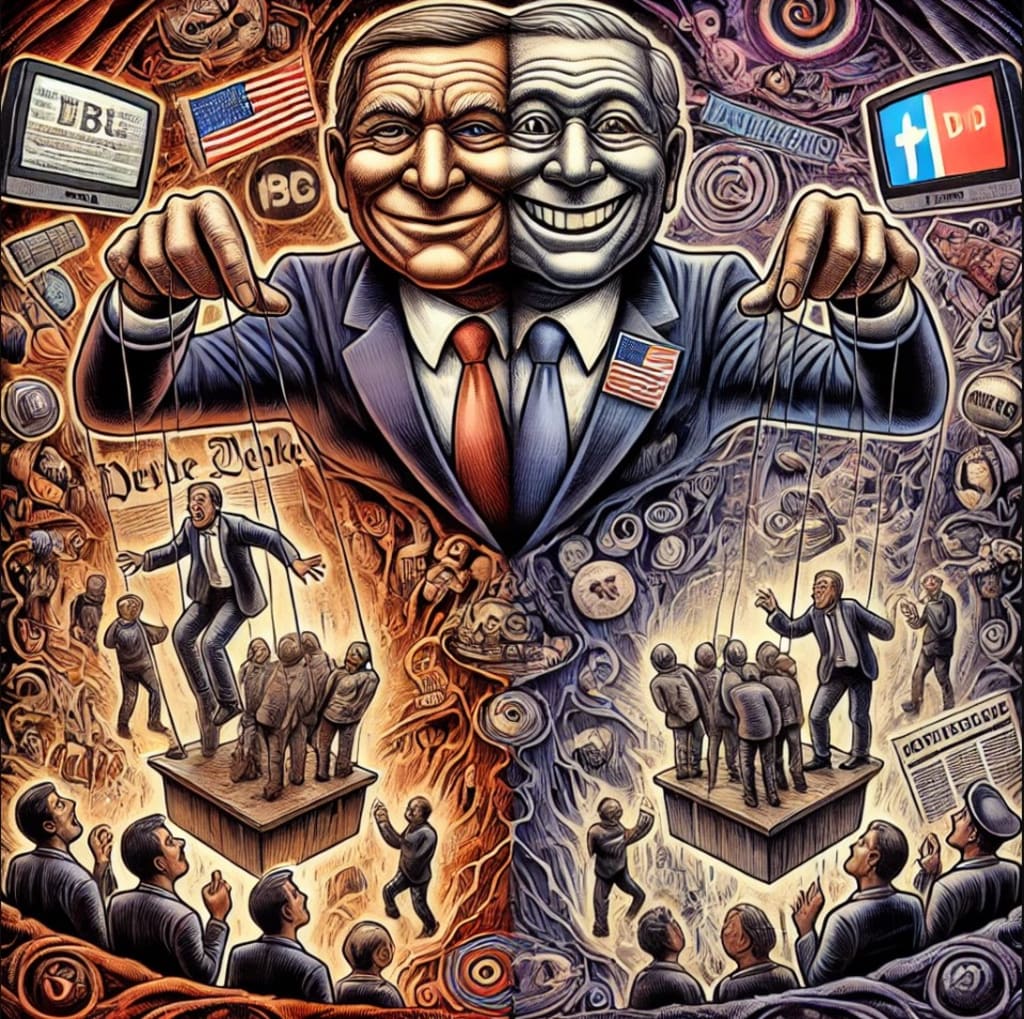
The world we live in today is increasingly marked by division and discord. As we turn on the news or scroll through our social media feeds, we are bombarded with stories and images highlighting our differences rather than our commonalities. The media and government play pivotal roles in shaping our perceptions and, unfortunately, often exacerbate these divisions. This blog post delves into how these powerful entities push wedges between normal people, using our differences against us instead of embracing them. At the core of our humanity lies love, family, food, happiness, and gratitude—values that should unite us rather than divide us.
Historical Context
Throughout history, the division has been a powerful tool wielded by those in power. The "divide and conquer" strategy has been employed to maintain control and suppress dissent. For example, the Roman Empire effectively used this tactic to keep their vast territories under control. By fostering divisions among conquered peoples, the Romans could prevent unified rebellions.
In more recent history, during the Cold War, the world was divided into two major ideological camps: capitalism and communism. Propaganda on both sides amplified differences, creating an atmosphere of fear and mistrust. This historical context helps us understand how division is not a new phenomenon but a recurrent theme in human societies.
Today, we see similar patterns, albeit in more subtle and sophisticated forms. The lessons from history teach us that division can lead to devastating consequences, but they also offer insights into how we might overcome such challenges by focusing on common human values.
Media's Role in Dividing Society
The media, in its quest for higher ratings and increased engagement, often resorts to sensationalism. Sensational headlines and stories attract more viewers, but they also distort reality. For instance, crime rates might be decreasing, but the media's focus on violent incidents creates a perception of a society in decline. This selective reporting fosters fear and mistrust among different social groups.
Moreover, media bias plays a significant role in shaping public opinion. Different news outlets often present the same event from vastly different perspectives, aligning their narratives with particular political or ideological stances. This creates a fragmented information landscape where people are more likely to consume news that reinforces their pre-existing beliefs, leading to further polarization.
Social media algorithms exacerbate this issue by creating echo chambers. These algorithms prioritize content that aligns with users' preferences, leading to a self-reinforcing cycle where people are exposed only to views similar to their own. This digital segregation fosters division by isolating individuals from diverse perspectives.
Case Study: The 2020 U.S. Presidential Election
The 2020 U.S. Presidential Election serves as a prime example of how media can amplify divisions. Both mainstream media and social media platforms were awash with polarizing content. News outlets on different ends of the political spectrum presented starkly different narratives about the candidates, the election process, and its outcomes. Social media platforms, meanwhile, were rife with misinformation and partisan rhetoric, further deepening the divide among the electorate.
Government's Role in Dividing Society
Governments, too, have a history of fostering division for political gain. Political polarization has reached unprecedented levels in many countries, with parties increasingly catering to their base at the expense of broader national unity. This partisanship is evident in legislative gridlock, where policy decisions are made not based on merit but on political allegiance.
Policies that favour certain groups over others also contribute to societal division. For instance, economic policies that disproportionately benefit the wealthy can exacerbate class divisions. Similarly, immigration policies that target specific ethnic or religious groups can lead to increased xenophobia and social fragmentation.
Propaganda and misinformation are tools often used by governments to manipulate public perception. State-controlled media or government officials may spread false information or skew facts to maintain control and suppress dissent. This erodes trust in public institutions and fosters a climate of suspicion and division.
Case Study: Brexit
The Brexit referendum in the United Kingdom illustrates how government actions can lead to deep societal divisions. The campaign was marked by misinformation and propaganda, with both sides employing fear tactics. The government’s handling of the post-referendum period further polarized the population, as policies and negotiations often seemed to favour one group over another, leading to a prolonged period of national disunity.
The Impact of Division on Society
The psychological effects of living in a divided society are profound. Constant exposure to divisive rhetoric and imagery can lead to increased stress, anxiety, and a sense of helplessness. People begin to view those with differing opinions not just as adversaries but as threats, eroding social cohesion.
Socially, division leads to the breakdown of community and family ties. When individuals are encouraged to see each other through the lens of "us versus them," trust diminishes, and social bonds weaken. This can lead to increased isolation and a decline in community engagement and cooperation.
Economically, division can have significant repercussions. Polarized societies often struggle to implement cohesive economic policies, leading to instability and uncertainty. Additionally, businesses may suffer as consumer confidence wanes and market fragmentation occurs.
Embracing Differences: The Path Forward
To counteract the divisive forces of media and government, we must actively embrace and celebrate our differences. Diversity is a strength, not a weakness. It brings a multitude of perspectives and solutions to the table, fostering innovation and resilience.
Strategies for Fostering Unity
Promote Media Literacy: Educating the public on how to critically evaluate news sources can reduce the impact of biased or sensationalist reporting.
Encourage Dialogue: Creating spaces for open and respectful dialogue can help bridge divides and foster understanding.
Support Inclusive Policies: Advocating for policies that promote equality and inclusion can help address systemic disparities that fuel division.
Community Initiatives: Grassroots movements and local community programs can play a crucial role in fostering unity and cooperation.
Role of Education
Education is a powerful tool in combating division. By teaching children about the value of diversity and the importance of empathy and cooperation, we can build a more inclusive and united future. Schools and universities should encourage critical thinking and expose students to a wide range of perspectives.
Personal Reflections and Call to Action
On a personal level, we each have a role to play in bridging divides. Simple acts of kindness and understanding can go a long way in fostering a sense of community and shared humanity. Sharing meals, celebrating cultural festivals, and engaging in community service are practical ways to connect with others and appreciate our differences.
Practical Steps for Bridging Divides
Engage in Conversations: Take the time to talk to people with different perspectives. Listen actively and try to understand their viewpoints.
Volunteer: Get involved in community service projects that bring together diverse groups of people.
Support Diverse Media: Follow and support media outlets that strive for balanced and inclusive reporting.
Celebrate Diversity: Participate in cultural events and festivals that celebrate different traditions and backgrounds.
Conclusion
In conclusion, the media and government play significant roles in shaping our perceptions and, unfortunately, often exacerbate societal divisions. However, by recognizing these influences and actively working to counteract them, we can foster a more inclusive and united society. Embracing our differences is what makes us human. Love, family, food, happiness, and gratitude are values that transcend our divisions and remind us of our shared humanity. Together, we can build a future where these values are celebrated, and our differences are seen as strengths rather than weaknesses.
Media's Role in Dividing Society (Continued)
The media landscape has evolved drastically over the past few decades, with the advent of the internet and the proliferation of digital platforms. While these developments have democratized access to information, they have also introduced new challenges in terms of how news is consumed and interpreted. One of the most significant consequences has been the rise of misinformation and disinformation, which further fuels societal divisions.
Misinformation and Disinformation
Misinformation refers to the spread of false or misleading information, while disinformation is the deliberate dissemination of such information to deceive or manipulate the public. Both phenomena are rampant on social media platforms, where content can be shared rapidly without thorough fact-checking. This creates a fertile ground for conspiracy theories and false narratives to take root and spread.
Case Study: The COVID-19 Pandemic
The COVID-19 pandemic illustrated the dangerous impact of misinformation and disinformation on public health and social cohesion. From the early days of the outbreak, social media was flooded with false information about the virus's origins, transmission, and treatment. Various conspiracy theories, such as the idea that the virus was a bioweapon or that 5G technology was responsible for its spread, gained traction. This misinformation led to confusion, fear, and mistrust among the public, complicating efforts to manage the crisis effectively.
Traditional media also played a role in amplifying divisions during the pandemic. Different news outlets presented conflicting information about the severity of the virus, the effectiveness of public health measures, and the safety of vaccines. This inconsistent messaging created an environment where people were unsure whom to trust, further deepening existing societal fractures.
The Role of Social Media Algorithms
Social media platforms use complex algorithms to curate the content that users see in their feeds. These algorithms are designed to maximize engagement by showing users content that aligns with their interests and preferences. While this approach can enhance user experience, it also creates echo chambers where individuals are exposed primarily to viewpoints that reinforce their own beliefs.
Echo chambers contribute to polarization by isolating users from diverse perspectives. When people are not exposed to differing opinions, they become more entrenched in their views and less likely to engage in constructive dialogue. This digital segregation fosters an "us versus them" mentality, which exacerbates societal divisions.
Case Study: The Capitol Riot.
The Capitol riot on January 6, 2021, is a stark example of how social media echo chambers can lead to real-world consequences. Leading up to the event, various social media platforms were rife with misinformation and conspiracy theories about the 2020 U.S. Presidential Election. Echo chambers on platforms like Facebook, Twitter, and Parler allowed these false narratives to spread unchecked, reinforcing the belief among certain groups that the election had been stolen. This misinformation fuelled the anger and frustration that ultimately culminated in the violent attack on the Capitol.
Government's Role in Dividing Society (Continued)
Governments have a significant influence on societal cohesion through their policies, rhetoric, and actions. When governments prioritize partisan interests over national unity, they contribute to the polarization and fragmentation of society. This section delves deeper into how government actions and policies can drive division.
Partisan Rhetoric and Political Polarization
Political leaders often use divisive rhetoric to galvanize their base and demonize their opponents. This approach can be effective in mobilizing support, but it also deepens societal divides. When politicians frame issues in binary terms—such as "us versus them" or "patriots versus traitors"—they create an environment where compromise and collaboration become increasingly difficult.
Case Study: The United States
The United States has experienced significant political polarization in recent years, with both major political parties moving further apart ideologically. This polarization is reflected in the rhetoric of political leaders, who frequently use inflammatory language to criticize their opponents. Such rhetoric not only alienates supporters of the opposing party but also fosters a climate of distrust and hostility.
Policies That Favor Certain Groups
Government policies that disproportionately benefit certain groups over others can exacerbate social and economic disparities. When segments of the population perceive that they are being left behind or unfairly treated, it breeds resentment and division. This is particularly evident in economic policies that widen the gap between the rich and the poor.
Case Study: Economic Inequality Economic inequality is a major driver of societal division. Policies that favour the wealthy, such as tax cuts for high-income earners and corporations, can lead to greater income disparity. When the benefits of economic growth are not shared equitably, it creates a sense of injustice among those who feel excluded from prosperity. This economic divide often intersects with other social divisions, such as race and ethnicity, further deepening societal fractures.
Use of Propaganda and Misinformation
Governments sometimes use propaganda and misinformation to maintain control and suppress dissent. By shaping the narrative and controlling the flow of information, they can manipulate public perception and stifle opposition. This approach not only undermines trust in public institutions but also creates a climate of fear and suspicion.
Case Study: Authoritarian Regimes
Authoritarian regimes frequently use propaganda to maintain their grip on power. State-controlled media disseminate information that supports the government's agenda while suppressing dissenting voices. In countries like North Korea and China, the government tightly controls the media, ensuring that only favourable narratives are presented to the public. This manipulation of information fosters a homogeneous worldview and discourages critical thinking and dissent.
The Impact of Division on Society (Continued)
The effects of societal division are far-reaching, impacting individuals, communities, and the broader social fabric. Understanding these impacts is crucial for developing strategies to foster unity and resilience.
Psychological Effects
Living in a divided society takes a toll on mental health. Constant exposure to negative and divisive rhetoric can lead to heightened stress, anxiety, and a sense of alienation. People may feel overwhelmed by the pervasive conflict and uncertainty, leading to a decline in overall well-being.
Case Study: Mental Health During the Pandemic
The COVID-19 pandemic has been a significant stressor for many individuals. The divisive rhetoric surrounding public health measures, vaccines, and the origins of the virus exacerbated this stress. People found themselves at odds with friends, family, and community members over differing views, leading to strained relationships and increased feelings of isolation.
Social Consequences
Division erodes the social bonds that hold communities together. Trust is a fundamental component of healthy social interactions, and when trust is undermined, it weakens the sense of community. People become more reluctant to engage with those who hold different views, leading to social fragmentation.
Case Study: Community Polarization
In communities across the world, polarization has led to the breakdown of social cohesion. In the United States, for example, neighbourhoods have become more politically homogeneous as people choose to live near others who share their beliefs. This self-segregation reduces opportunities for meaningful interactions with diverse perspectives, further entrenching divisions.
Economic Implications
Division can also have significant economic repercussions. Polarized societies often struggle to implement coherent economic policies, leading to instability and uncertainty. Additionally, businesses may suffer as consumer confidence wanes and market fragmentation occurs.
Case Study: Economic Impact of Political Instability
Political instability driven by societal division can deter investment and economic growth. For instance, countries experiencing prolonged political crises often see a decline in foreign investment and economic activity. The uncertainty created by divisive politics makes it difficult for businesses to plan for the future, leading to reduced economic dynamism.
Embracing Differences: The Path Forward (Continued)
Despite the challenges posed by division, there are numerous strategies we can employ to foster unity and embrace our differences. This section explores practical approaches to building a more inclusive and cohesive society.
Promote Media Literacy
One of the most effective ways to combat the negative influence of divisive media is to promote media literacy. By educating the public on how to critically evaluate news sources and discern credible information from misinformation, we can reduce the impact of biased or sensationalist reporting.
Case Study: Media Literacy Programs
Several countries have implemented media literacy programs to empower citizens with the skills needed to navigate the complex media landscape. Finland, for example, has integrated media literacy into its national curriculum, teaching students to critically analyse news and understand the influence of media on society. These efforts have contributed to a more informed and resilient population.
Encourage Dialogue
Creating spaces for open and respectful dialogue is essential for bridging divides and fostering understanding. Dialogue initiatives can help people from different backgrounds and perspectives come together to share their experiences and find common ground.
Case Study: Dialogue Initiatives
Organizations like the National Institute for Civil Discourse in the United States work to promote respectful political dialogue. By facilitating conversations between individuals with opposing views, these initiatives aim to reduce polarization and build a more collaborative political culture.
Support Inclusive Policies
Advocating for policies that promote equality and inclusion can help address systemic disparities that fuel division. Inclusive policies ensure that all members of society have access to opportunities and resources, fostering a sense of fairness and unity.
Case Study: Inclusive Economic Policies
Countries that implement inclusive economic policies often see greater social cohesion. For example, the Nordic countries have high levels of social equality due to policies that provide robust social safety nets, universal healthcare, and access to quality education. These measures help reduce economic disparities and promote social solidarity.
Community Initiatives
Grassroots movements and local community programs play a crucial role in fostering unity and cooperation. By bringing people together to work on common goals, these initiatives strengthen social bonds and promote a sense of shared purpose.
Case Study: Community Building Programs
Community building programs, such as neighbourhood associations and local volunteer groups, provide opportunities for individuals to connect and collaborate. These initiatives can help bridge social divides by fostering a sense of belonging and mutual support.
Personal Reflections and Call to Action (Continued)
On a personal level, we each have a role to play in bridging divides. Simple acts of kindness and understanding can go a long way in fostering a sense of community and shared humanity. Sharing meals, celebrating cultural festivals, and engaging in community service are practical ways to connect with others and appreciate our differences.
Practical Steps for Bridging Divides
Engage in Conversations: Take the time to talk to people with different perspectives. Listen actively and try to understand their viewpoints.
Volunteer: Get involved in community service projects that bring together diverse groups of people.
Support Diverse Media: Follow and support media outlets that strive for balanced and inclusive reporting.
Celebrate Diversity: Participate in cultural events and festivals that celebrate different traditions and backgrounds.
Personal Anecdotes
Sharing personal stories and experiences can be a powerful way to illustrate the importance of embracing differences. Reflect on moments in your life where connecting with someone from a different background enriched your understanding and perspective.
Call to Action
Encourage readers to take actionable steps to bridge divides in their own lives. This can include reaching out to someone with a different viewpoint, supporting initiatives that promote unity, and advocating for inclusive policies. Emphasize that small actions can collectively make a significant impact in creating a more inclusive and united society.
Conclusion
In conclusion, the media and government play significant roles in shaping our perceptions and, unfortunately, often exacerbate societal divisions. However, by recognizing these influences and actively working to counteract them, we can foster a more inclusive and united society. Embracing our differences is what makes us human. Love, family, food, happiness, and gratitude are values that transcend our divisions and remind us of our shared humanity. Together, we can build a future where these values are celebrated, and our differences are seen as strengths rather than weaknesses.
About the Creator
Mr BatShit
Mr. BatShit is the whimsical wizard of wellness, turning complex psychological concepts into engaging, humorous, and unforgettable content. Mr Batshit makes even the toughest mental health topics fun and relatable.
Keep reading
More stories from Mr BatShit and writers in Education and other communities.
This is what happens in your brain when you can't recall and word
You’re sure you know your third grade teacher’s name— it’s like you’re hovering over it in your mind, but it just won’t materialize. Researchers call this tantalizing torment a “tip-of-the-tongue state,” and it's something everyone experiences. But what's actually happening when a word gets caught here? And how can you best get it unstuck? Most of the time, our brains seamlessly summon words from vast stores of knowledge, paring their meaning and sounds, and stringing them into sentences.
By Munesh Yadavabout 23 hours ago in Education
How to Succeed at the Benson Directory®
Congratulations and welcome to the Benson Directory® employee #22391! As our newest call handler, you will have the privilege of speaking with dozens of unique and interesting people on a daily basis as well as the opportunity to earn bonuses for high performance. Contained within this handbook you will find a set of ease to follow instructions designed to help you settle in to your new role and begin paving the way to success.
By S. A. Crawford3 days ago in Fiction



Comments (2)
Thanks for sharing
I really love your content and how it's crafted , I love it and happily subscribed , you can check out my content and subscribe to me also , thanks for this beautiful one