
killer kitty
history of covid 19,precautions of covid 19,nowadays situvation ,databases of covid 19
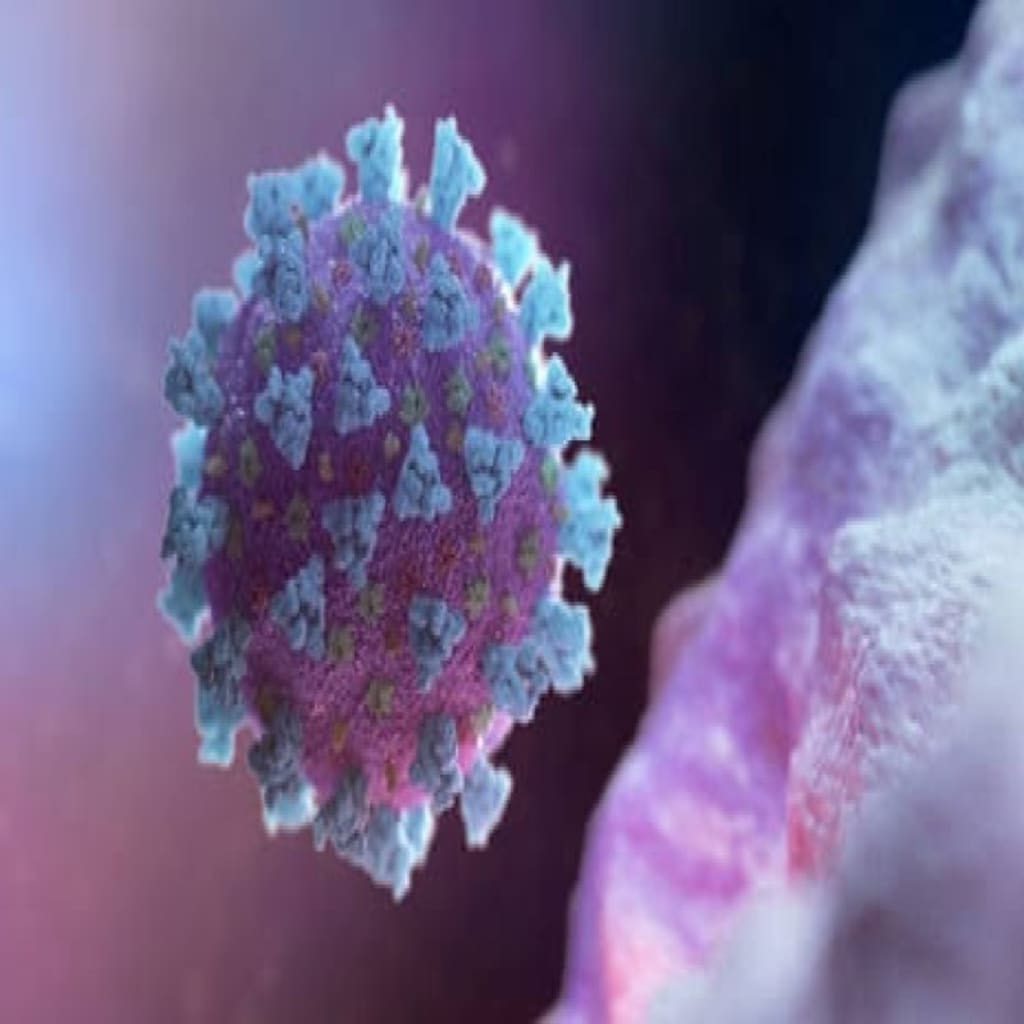
Killer kitty
COVID-19 is a highly contagious respiratory illness caused by the SARS-CoV-2 virus. It was first identified in Wuhan, China in 2019 and has since spread to become a global pandemic. Symptoms include fever, cough, and difficulty breathing, and the virus can lead to severe illness or death, particularly in older adults or those with underlying health conditions. The virus spreads primarily through respiratory droplets when an infected person coughs or sneezes, but can also spread through contact with contaminated surfaces. To prevent the spread of COVID-19, people are advised to practice social distancing, wear masks in public, and frequently wash their hands. Vaccines are also available to help protect against the virus.
history of covid 19
COVID-19, also known as the coronavirus disease, is caused by the SARS-CoV-2 virus. The first cases of the illness were reported in Wuhan, China in December 2019. The virus is believed to have originated in bats and was transmitted to humans through an intermediate host, such as a pangolin.
The World Health Organization (WHO) was notified of a cluster of cases of pneumonia of unknown cause in Wuhan on December 31, 2019. The virus quickly spread within China and to other countries, with the WHO declaring a Public Health Emergency of International Concern on January 30, 2020, and a pandemic on March 11, 2020.
As the virus spread globally, governments and public health officials implemented measures such as lockdowns, travel bans, and mask mandates to slow the spread of the virus. These measures led to economic disruption and social upheaval, and the pandemic has had a significant impact on people's lives and livelihoods.
In the meantime, researchers and scientists worked quickly to understand the virus and develop treatments and vaccines. Many countries have approved vaccines for emergency use, and vaccination campaigns have been rolled out globally.
As of January 2021, the number of confirmed cases of COVID-19 worldwide has exceeded 90 million, and the death toll has surpassed 1.9 million. The pandemic continues to evolve, and researchers are still learning about the virus and its effects on individuals and communities.
precautions of covid 19
There are several precautions that can be taken to help prevent the spread of COVID-19. The following are some of the most effective measures:
1. Social distancing: This means staying at least 6 feet away from others and avoiding crowded places.
2. Hand hygiene: Frequently washing your hands with soap and water for at least 20 seconds or using an alcohol-based hand sanitizer can help to reduce the spread of the virus.
3. Face masks: Wearing a face mask or face covering in public can help to prevent the spread of the virus by trapping respiratory droplets.
4. Cleaning and disinfection: Regularly cleaning and disinfecting high-touch surfaces such as doorknobs, countertops, and light switches can help to reduce the spread of the virus.
5. Stay home if you are sick: If you have symptoms of COVID-19, such as a fever, cough, or difficulty breathing, stay home and self-isolate to avoid spreading the virus to others.
6. Get vaccinated: Vaccines are available for the virus and are a powerful tool in controlling the pandemic.
7. Monitoring symptoms: Being aware of your symptoms and monitoring for changes in your health is important for early detection of the disease.
It's important to note that the precautions and measures may vary depending on the country, location, and the situation of pandemic. It's always recommended to follow the guidelines and instructions provided by the local health authorities and experts.
nowadays situvation
The situation regarding COVID-19 is constantly changing. As of my knowledge cutoff in September 2021, many countries have made significant progress in controlling the spread of the virus through vaccination campaigns and other mitigation efforts. However, new variants of the virus have emerged, which has led to renewed outbreaks in some areas and increased concern about the potential for these variants to evade immunity from previous infections or vaccines. It is important to stay informed about the situation in your local area and to follow guidance from public health officials to protect yourself and others.
databases of covid 19
There are several databases that track COVID-19 cases around the world, including:
1. World Health Organization (WHO) COVID-19 Dashboard: This dashboard provides global data on confirmed cases, deaths, and recoveries.
2. Johns Hopkins University COVID-19 Dashboard: This dashboard provides detailed data on confirmed cases, deaths, and recoveries at the country level.
3. The New York Times COVID-19 Database: This database provides detailed data on confirmed cases and deaths at the state and county level in the United States.
4. Our World in Data: This website provides data and information on the COVID-19 pandemic, including case and death numbers, as well as information on testing, vaccination, and other topics related to the pandemic.
5. European Centre for Disease Prevention and Control (ECDC): This website provides updated data on the number of confirmed cases and deaths due to COVID-19 in the European Union and European Economic Area.
6. DXY.cn: This website provides detailed data on COVID-19 cases in China and other countries, including information on confirmed cases, deaths, recoveries, and testing numbers.
These are some of the most widely-used and respected sources of COVID-19 data, but it's important to note that data collection and reporting methods can vary between countries and regions, and so the data may not be directly comparable.
About the Creator
KARTHICK NAGARAJAN
i am a content writer who describes this world
Keep reading
More stories from writers in Education and other communities.
Top 10 SEO Experts In Pakistan In 2026
Introduction Search optimization in 2026 no longer revolves around keywords or isolated ranking tactics. Google’s AI Overviews, entity-based indexing, and answer-first systems have changed how visibility is earned. Search engines now evaluate meaning, credibility, and contextual authority rather than mechanical signals.
By Sajid Ali Shar7 days ago in Education
The Living Language of Creativity: Why Art Continues to Shape Human Experience
Art has existed for as long as humans have sought to express meaning beyond survival. Universal creative dialogue allows people to communicate emotions, beliefs, and ideas that cannot always be captured through words alone. From early symbolic markings to contemporary visual culture, art reflects how individuals and societies understand themselves and the world around them.
By Marissa Haugh5 days ago in Education



Comments
There are no comments for this story
Be the first to respond and start the conversation.