
Kidney-Friendly Eating: Top 8 Foods to Support Your Kidneys"
Nourish Your Kidneys: 8 Super foods for Optimal Kidney Health

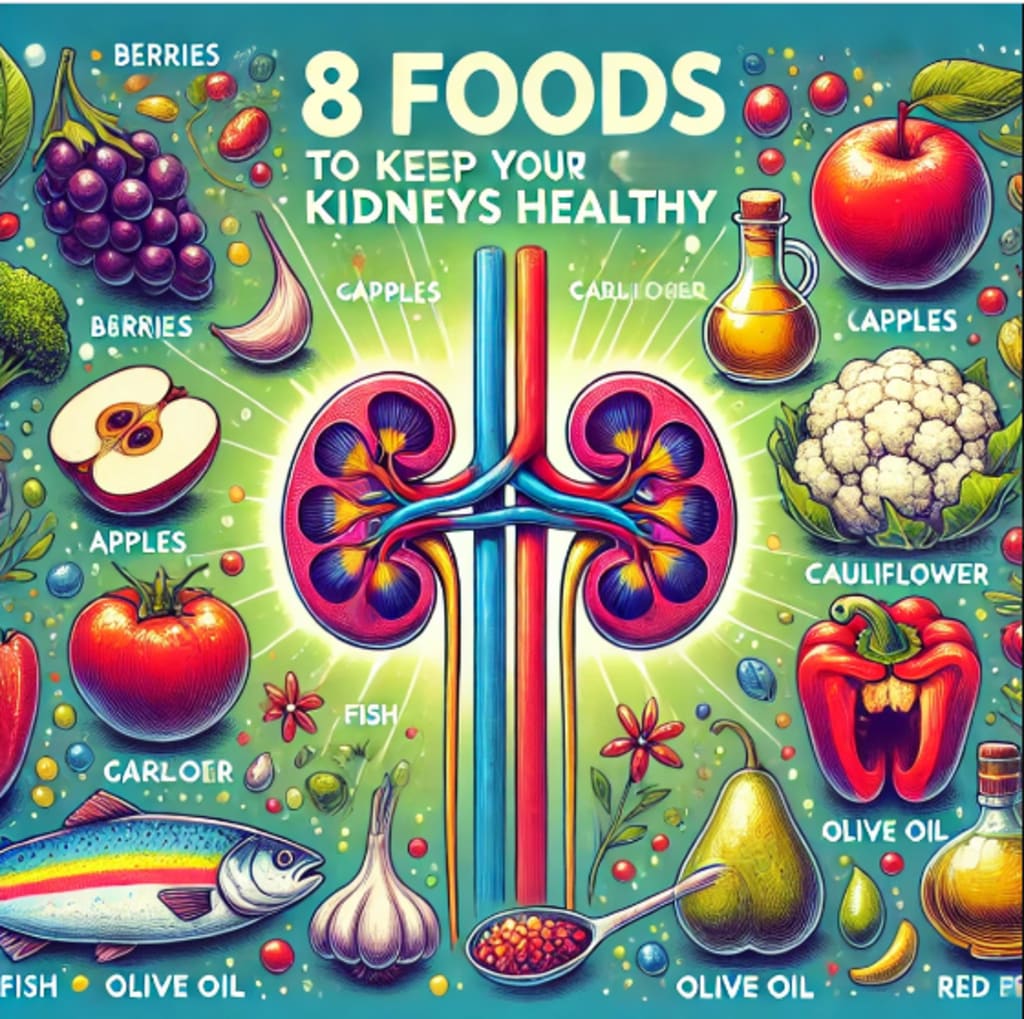
The kidneys are vital organs that play a crucial role in maintaining overall health. They filter waste products, balance electrolytes, regulate blood pressure, and produce hormones that support red blood cell production and bone health. However, kidney disease is a growing global health concern, often linked to poor dietary habits, diabetes, hypertension, and obesity. The good news is that a kidney-friendly diet can help protect these essential organs and promote their optimal function. In this article, we’ll explore eight foods that can help keep your kidneys healthy.
1. Red Bell Peppers
Red bell peppers are a kidney-friendly food due to their low potassium content and high levels of vitamins A, C, and B6, as well as fiber and antioxidants. These nutrients help reduce inflammation and protect against oxidative stress, which can damage kidney cells. Additionally, red bell peppers are versatile and can be easily incorporated into salads, stir-fries, or as a crunchy snack.
For individuals with kidney disease, managing potassium intake is essential, as impaired kidneys may struggle to remove excess potassium from the blood. Red bell peppers are an excellent choice because they provide flavor and nutrition without overloading the kidneys.
2. Cabbage
Cabbage is a cruciferous vegetable packed with phytochemicals, vitamins, and minerals that support kidney health. It is low in potassium and sodium, making it an ideal food for those looking to protect their kidneys. Cabbage is also rich in vitamin K, vitamin C, and fiber, which aid in digestion and reduce inflammation.
This vegetable can be enjoyed raw in salads, fermented as sauerkraut, or cooked in soups and stews. Its versatility and nutritional profile make it a staple in a kidney-friendly diet.
3. Cauliflower
liflowerCauliflower is another kidney-friendly vegetable that is low in potassium and phosphorus, two minerals that can accumulate in the blood when kidney function is compromised. It is also high in vitamin C, folate, and fiber, which support overall health and reduce the risk of chronic diseases.
Cauliflower can be used as a substitute for higher-potassium foods like potatoes. It can be roasted, mashed, or even riced to create a variety of delicious and nutritious dishes. Its mild flavor makes it a great addition to any meal.
4. Garlic
Garlic is a flavorful herb that offers numerous health benefits, including kidney protection. It contains allicin, a compound with potent anti-inflammatory and antioxidant properties that help reduce oxidative stress and inflammation in the kidneys. Garlic is also low in potassium, making it a safe choice for those with kidney concerns.
Incorporating garlic into your diet is easy—it can be added to soups, sauces, roasted vegetables, or used as a seasoning for meats and grains. Its ability to enhance flavor without adding sodium makes it a valuable addition to a kidney-friendly diet.
5. Apples
Apples are a kidney-friendly fruit that is low in potassium, sodium, and phosphorus. They are also high in fiber, which helps regulate blood sugar levels and reduce cholesterol, both of which are important for kidney health. The antioxidants in apples, particularly quercetin, help protect kidney cells from damage caused by free radicals.
Apples make a convenient and healthy snack, and they can also be added to salads, oatmeal, or baked goods. Their natural sweetness satisfies cravings without the need for added sugars, which can be harmful to kidney health.
6. Blueberries
Blueberries are a superfood packed with antioxidants, particularly anthocyanins, which help reduce inflammation and protect against oxidative stress. They are also low in potassium, sodium, and phosphorus, making them an excellent choice for kidney health.
These tiny berries can be enjoyed fresh, frozen, or dried. They can be added to smoothies, yogurt, or oatmeal, or eaten as a standalone snack. Their sweet and tangy flavor makes them a favorite among both adults and children.
7. Fish (especially fatty fish like salmon)
Fatty fish like salmon, mackerel, and sardines are rich in omega-3 fatty acids, which have anti-inflammatory properties that benefit kidney health. Omega-3s help reduce inflammation, lower blood pressure, and decrease the risk of chronic kidney disease. Fish is also an excellent source of high-quality protein, which is essential for maintaining muscle mass and overall health.
However, it’s important to choose fresh or frozen fish over canned varieties, as canned fish often contains high levels of sodium. Grilling, baking, or steaming fish are healthy cooking methods that preserve its nutritional value.
8. Olive Oil
Olive oil is a healthy fat that is beneficial for kidney health. It is rich in monounsaturated fats, which help reduce inflammation and protect against oxidative stress. Olive oil is also low in phosphorus, making it a safe choice for those with kidney disease.
Using olive oil as a primary cooking oil or salad dressing can help improve heart health and support kidney function. Its rich flavor and versatility make it a valuable addition to any diet.
Tips for a Kidney-Friendly Diet
While incorporating these foods into your diet, it’s also important to follow some general guidelines to support kidney health:
Limit sodium intake: Excess sodium can increase blood pressure and strain the kidneys. Avoid processed foods and opt for fresh, whole foods.
Monitor protein intake: While protein is essential, excessive amounts can burden the kidneys. Choose high-quality protein sources like fish, eggs, and lean meats.
Stay hydrated: Drinking enough water helps the kidneys flush out toxins and waste products. However, those with advanced kidney disease may need to limit fluid intake, so consult a healthcare provider.
Avoid high-potassium and high-phosphorus foods: If you have kidney disease, limit foods like bananas, oranges, potatoes, and dairy products, as they can strain the kidneys.
Conclusion
Maintaining kidney health is essential for overall well-being, and a balanced diet plays a key role in achieving this goal. By incorporating kidney-friendly foods like red bell peppers, cabbage, cauliflower, garlic, apples, blueberries, fish, and olive oil into your meals, you can support your kidneys and reduce the risk of kidney disease. Remember to consult with a healthcare professional or dietitian, especially if you have existing kidney issues, to tailor your diet to your specific needs. With the right dietary choices, you can keep your kidneys healthy and functioning optimally for years to come.
About the Creator
Everyday Motion Explained, What Modern Kinesiology Teaches Us About How We Move
Modern kinesiology has changed how we understand the way people move each day. It examines how muscles, joints, and nerves work together during simple actions such as walking, reaching, or sitting. Instead of focusing solely on sports or injury, modern kinesiology studies daily movement and its effects it comfort, balance, and energy. This field shows that small habits shape how the body feels over time, even when pain is not present.
By Kelln Smallabout 2 hours ago in Education
Friendship with Books
Arslan and Rehan were very close friends. They studied in the same class and lived in the same neighborhood, which made their friendship even stronger. Despite being similar in age and environment, their interests were quite different. Rehan had a deep love for reading. He was not limited to his textbooks alone; instead, he eagerly read all kinds of books, including storybooks, history, general knowledge, and books full of interesting events. For Rehan, books were not just a habit—they were a way of life.
By Sudais Zakwan2 days ago in Education
TUS NUA - ch 49
TUS NUA – ch 49 New Beginnings – Mia and Midnight (*)(*)(*) As Mia spoke on the phone to Ali’s sister, Ellen, Finola slipped quietly away and walked to the stream behind Tus Nua. Carefully, she put a block on her family so no one could know what she was about to do.
By Margaret Brennanabout 16 hours ago in Fiction




Comments
There are no comments for this story
Be the first to respond and start the conversation.