
"Jellyfish: The Mysterious Creatures of the Deep Blue Sea"
Details about jellyfish that might be new to you.
Introduction
Jellyfish are fascinating creatures that belong to the phylum Cnidaria. They are invertebrates, which means they have no backbone, and are found in all of the world's oceans. There are over 2,000 different species of jellyfish, each with their own unique characteristics and behaviors.
Anatomy
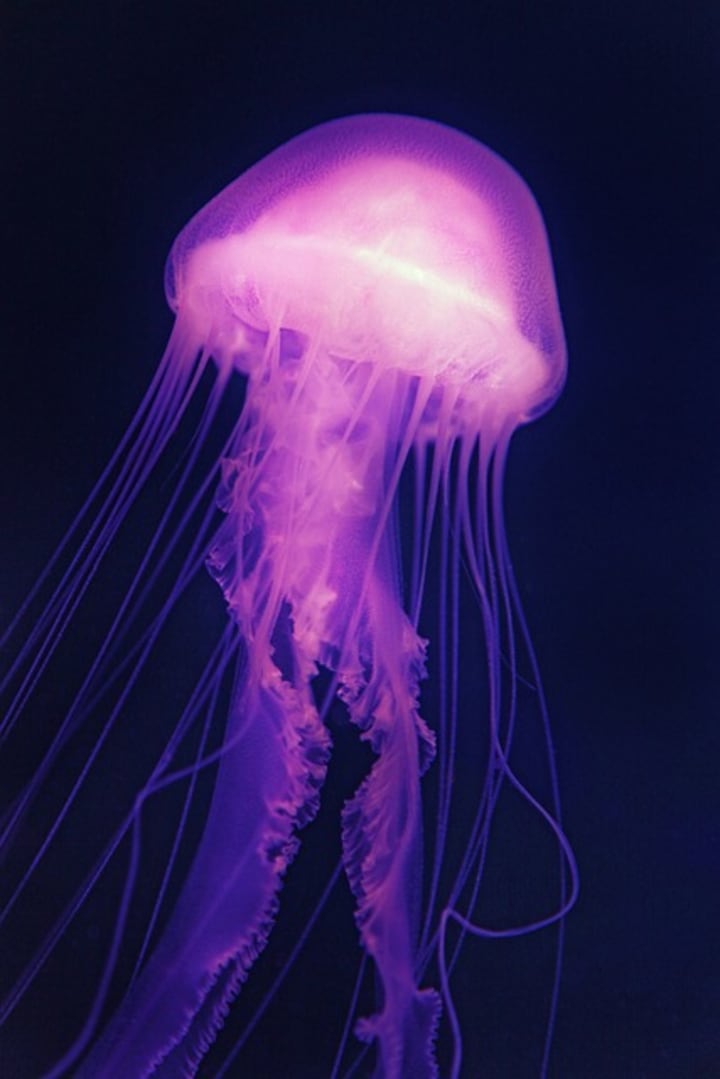
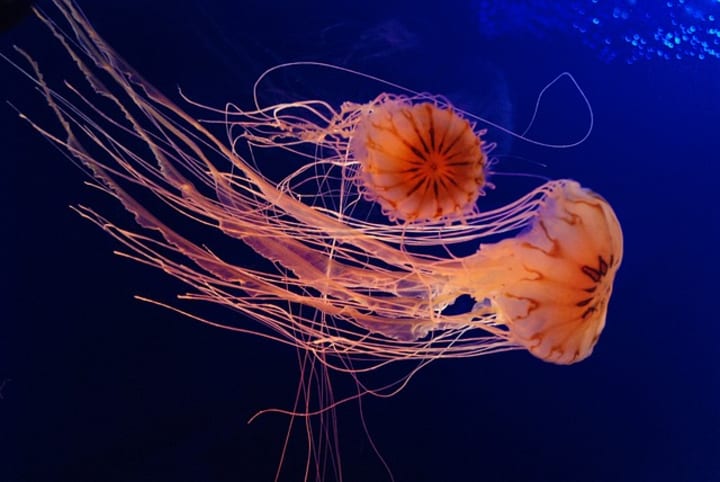
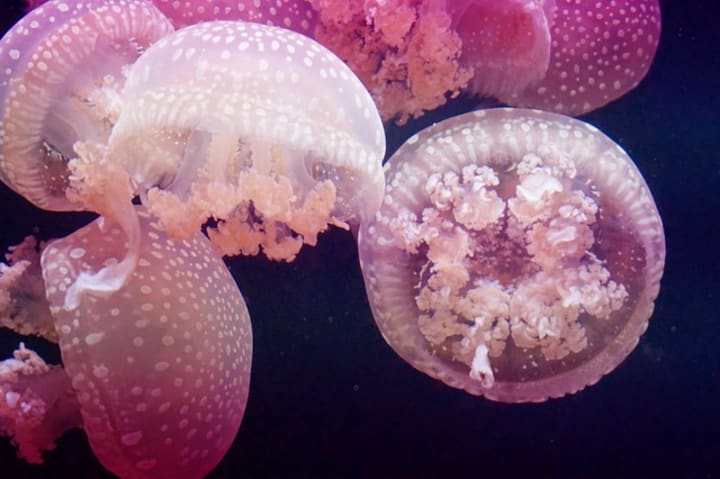
Jellyfish have a simple body structure that is made up of a bell-shaped body and tentacles. The bell-shaped body is called the medusa, and it is made up of a jelly-like substance that is over 90% water. The tentacles are used for capturing prey and can be covered in stinging cells called nematocysts.
Behavior
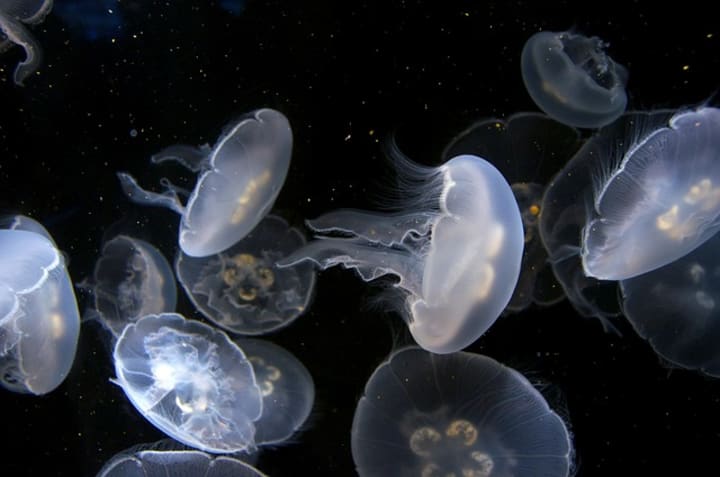
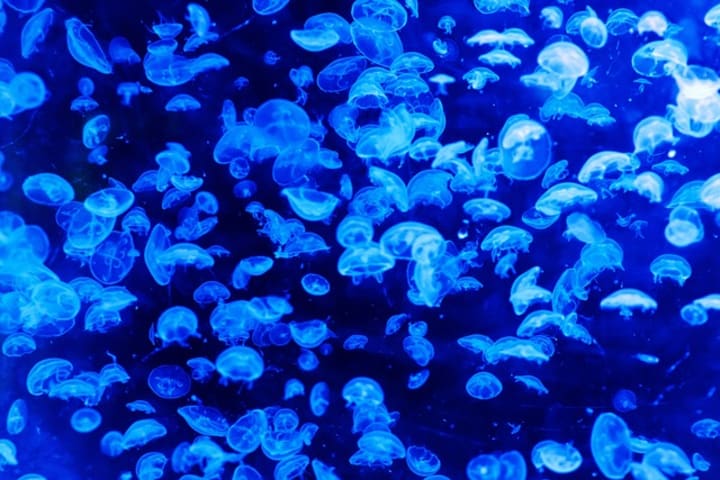
Jellyfish are known for their graceful movements in the water. They use their bell-shaped body to propel themselves forward and their tentacles to capture prey. Some species of jellyfish can also glow in the dark, a phenomenon called bioluminescence.
Habitat
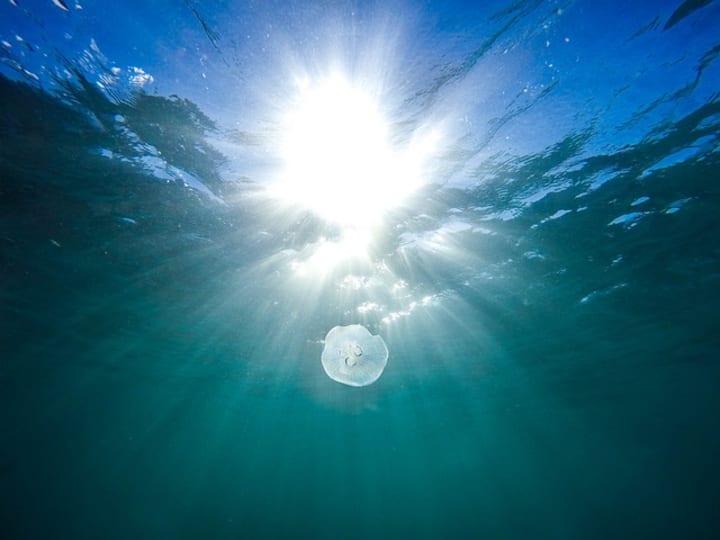
Jellyfish are found in all of the world's oceans, from the surface to the deep sea. They can be found in both warm and cold waters, and some species are even found in freshwater lakes and rivers.
Diet
Jellyfish are carnivorous and feed on small fish, plankton, and other small organisms. They use their tentacles to capture prey and then bring it to their mouth, which is located on the underside of their bell-shaped body.
Reproduction
Jellyfish have both male and female reproductive organs and can reproduce sexually or asexually. During sexual reproduction, the male releases sperm into the water, which then fertilizes the female's eggs. During asexual reproduction, the jellyfish can clone itself by dividing into two or more identical copies.
Importance
Jellyfish are important members of the ocean food chain, providing food for many species of fish and sea turtles. They also play a role in regulating the populations of other marine organisms. However, some species of jellyfish can become invasive and cause harm to the environment and humans.
Conclusion
Jellyfish are unique and fascinating creatures that have captured the attention of scientists and ocean enthusiasts for centuries. With over 2,000 different species, there is still much to learn about these mysterious creatures and their role in the ocean ecosystem.
FASCINATING FACTS ABOUT JELLYFISH!
One of the most remarkable things about jellyfish is their ability to adapt to different environments. Some species of jellyfish are able to change their color and shape in response to their surroundings, allowing them to blend in and avoid predators. Other species have developed unique adaptations, such as bioluminescence, to attract prey or deter predators.
Despite their simple body structure, jellyfish are capable of complex behaviors. For example, some species of jellyfish are able to swim against the current by pulsing their bell-shaped body. Others are able to swim in a coordinated manner, forming large swarms or blooms that can contain thousands of individuals.
Jellyfish play an important role in marine ecosystems. They are a primary food source for many species of fish and sea turtles, and their populations can indicate the health of a particular ecosystem. However, jellyfish blooms (large swarms of jellyfish) can also have negative impacts on marine ecosystems and human activities such as fishing and tourism.
In recent years, scientists have been studying jellyfish in order to better understand their biology and behavior. This research has led to new discoveries about the genetics and evolution of jellyfish, as well as new technologies for studying their behavior in the wild.
Jellyfish also have potential applications in fields such as medicine and bioengineering. For example, researchers are investigating the use of jellyfish proteins in medical treatments, while others are exploring the potential of jellyfish as a sustainable food source.
Overall, jellyfish are a fascinating and important part of our world's oceans. By continuing to study and understand these creatures, we can better appreciate their beauty and importance, as well as work towards sustainable management of our marine ecosystems.
WHATS THE BIGGEST JELLYFISH?
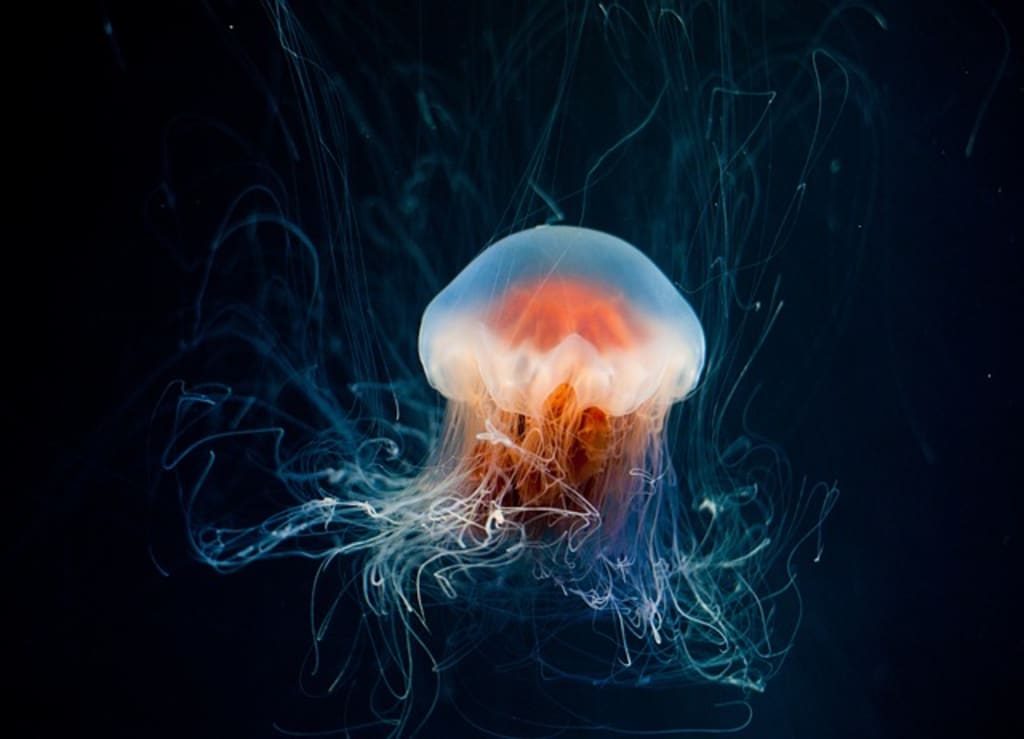
The lion's mane jellyfish, also known as the giant jellyfish, is one of the largest known species of jellyfish . Its range is confined to cold, boreal waters of the Arctic, northern Atlantic, and northern Pacific Oceans. The lion's mane jellyfish can have a bell diameter of up to 8 feet (2.4 meters) and tentacles that can extend up to 120 feet (36.6 meters) .
Other large jellyfish species include the Nomura's jellyfish and the Stygiomedusa gigantea jellyfish .
It's important to note that while these are the largest known species of jellyfish, there may be other species that have not yet been discovered or fully studied.
About the Creator
Keep reading
More stories from writers in Education and other communities.
The Fascinating Story of the 1955 Doubled Die Lincoln Cent and How to Authenticate It
Over eight years as a Senior Numismatic Analyst, I have handled thousands of error coins, but few generate the instant recognition and awe of the 1955 Doubled Die Lincoln Cent. It's not just a coin; it's a cultural icon, a symbol of minting fallibility that captivated a nation. While many dream of finding one in circulation, its story is one of limited creation, public discovery, and a legacy of counterfeits. This guide will take you through the remarkable history of this coin and arm you with the precise knowledge needed to separate a genuine piece of history from the endless stream of fakes.
By Laura Bennettabout 11 hours ago in Education
Growing Together: How Community Service Strengthens Lives and Neighborhoods
Community service creates positive change by connecting people through shared effort and responsibility. When individuals step forward to help, they address real needs while building trust within their neighborhoods. Because service encourages collaboration, it allows residents to see one another as partners rather than strangers. This sense of unity strengthens a community's social fabric.
By Kevin Knasela day ago in Education
Trouble at the Tea Leafing Café
The rain had started right around the time that Annie was buttering her second thick slice of homemade toast for breakfast, and hadn’t paused since. Not that anyone could tell. The windows of the café were fogged over, and with every seat filled with happy customers munching on fresh baked pastries or steaming bowls of the delicious soup of the day, it was hardly surprising. Annie looked around the room, finally taking a moment to breathe after the lunch time rush. Her old life already felt like a bad memory, a part of her history, always, but just that. History.
By Hannah Moore4 days ago in Fiction


Comments
There are no comments for this story
Be the first to respond and start the conversation.