
Is Real World Asset (RWA) Tokenization The Next Big Thing in Crypto?
Discover how Real World Asset (RWA) tokenization is transforming the crypto landscape. Explore its benefits, key use cases, challenges, and potential to revolutionize traditional finance with blockchain innovation.


The cryptocurrency industry continues to evolve, with new innovations driving its expansion into previously untapped areas of finance. One of the most favorable developments is Real World Asset (RWA) tokenization—a process that brings physical, real-world assets onto the blockchain. From real estate and commodities to art and intellectual property, RWA tokenization aims to redefine ownership, accessibility, and efficiency in global financial systems. But is it truly the next big thing in crypto? Let’s delve into the concept, explore its benefits, and analyze its potential challenges and future impact.
What is RWA Tokenization?
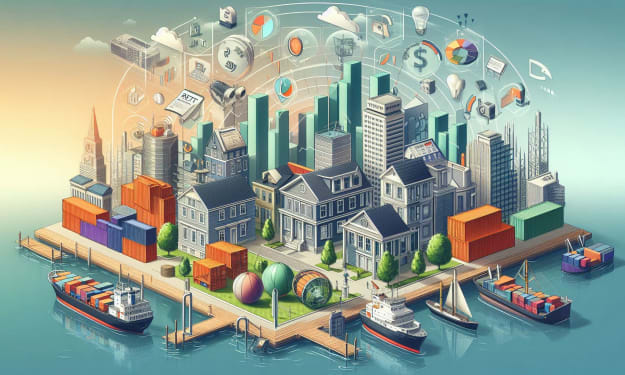
Real World Asset (RWA) tokenization refers to the process of converting physical or intangible assets into digital tokens on a blockchain. These tokens represent ownership rights. It allows them to be traded, transferred, or fractionally owned with ease. RWAs include assets like property, gold, art, debt instruments, and more.
In essence, tokenization bridges the gap between the traditional financial world and the digital economy by leveraging blockchain technology. It introduces a novel way to transact and invest in assets that have historically been illiquid, expensive to manage, and it is restricted to institutional players.
The Current State of the Crypto Market
The crypto market has faced criticism for its reliance on speculative assets and its infamous volatility. Despite the rise of stablecoins and blockchain-based solutions, many investors remain cautious due to a lack of tangible backing for most cryptocurrencies.
RWA tokenization offers a compelling alternative by anchoring digital tokens to real-world value. Unlike pure digital assets like Bitcoin or Ethereum, RWAs are tied to physical or financial assets, reducing volatility and enhancing their appeal to risk-averse investors. Moreover, as regulators worldwide scrutinize cryptocurrencies, tokenized real-world assets could align more closely with existing financial laws, easing adoption hurdles.
Challenges such as scalability, adoption rates, and regulatory uncertainty still exist, but RWA tokenization is increasingly seen as a way to attract institutional investors and mainstream users.
Why RWA Tokenization Matters
Enhanced Liquidity
Traditional investments like real estate or fine art are often illiquid, requiring significant time and effort to buy or sell. By tokenizing these assets, fractional ownership becomes possible, enabling more investors to participate and improving market liquidity. For instance, a property worth $1 million can be divided into 1,000 tokens, each representing a $1,000 stake.
Accessibility and Inclusivity
Tokenization democratizes access to high-value assets. Previously, only wealthy individuals or institutional investors could afford to invest in commodities, real estate, or fine art. With tokenization, even small investors can diversify their portfolios across multiple asset classes.
Transparency and Security
Blockchain’s immutable ledger ensures transparency, providing real-time data on transactions, ownership, and asset valuation. Smart contracts further enhance security, automating processes like dividend distribution or compliance checks.
Cost Efficiency
Tokenized assets eliminate intermediaries, reducing transaction costs and streamlining processes. For example, trading tokenized real estate on a blockchain platform can bypass brokers, lawyers, and escrow services.
Key Use Cases of RWA Tokenization
The applications of RWA tokenization span multiple industries, each offering unique benefits:
1. Real Estate
Real estate tokenization allows investors to purchase fractional ownership in properties, reducing entry barriers and enhancing liquidity. It also simplifies cross-border transactions, allowing investors to buy property globally without extensive paperwork.
2. Art and Collectibles
Tokenization enables fractional ownership of art, making high-value pieces accessible to a broader audience. For instance, a $10 million painting can be divided into tokens, letting investors hold a fraction of its value.
3. Commodities
Gold, oil, and other commodities can be tokenized to enable easier trading and diversification. Tokenized gold, for example, combines the tangibility of a traditional asset with the flexibility of a digital token.
4. Infrastructure Projects
Large-scale infrastructure projects often require significant funding. By tokenizing project equity or debt, developers can attract a wider pool of investors, streamlining financing processes.
5. Maritime Assets
The maritime industry, including ships and shipping routes, can benefit from tokenization by enabling fractional ownership of vessels or securitization of shipping revenues. This approach can attract a diverse pool of investors, facilitate easier trade financing, and enhance transparency in an industry often plagued by complex ownership structures and logistical inefficiencies. Tokenization also opens up new opportunities for financing sustainable initiatives, such as green shipping projects or energy-efficient vessel upgrades.
6. Intellectual Property
Tokenizing intellectual property rights allows creators to monetize their work more efficiently. Musicians, for instance, can issue tokens tied to future royalty streams, enabling fans to invest directly in their success.
Challenges and Risks of RWA Tokenization
Despite its potential, RWA tokenization is not without challenges. Here are the key hurdles to its widespread adoption:
1. Regulatory Uncertainty
Different jurisdictions have varying stances on digital assets, creating a fragmented regulatory landscape. Tokenized assets must comply with securities laws, anti-money laundering (AML) standards, and Know Your Customer (KYC) requirements, which can complicate cross-border transactions.
2. Technical Barriers
The infrastructure for RWA tokenization is still evolving. Issues such as blockchain scalability, interoperability between platforms, and smart contract vulnerabilities need to be addressed.
3. Market Risks
Tokenized assets, while less volatile than cryptocurrencies, are still subject to market fluctuations. Additionally, the liquidity promised by tokenization depends on active secondary markets, which are still in their infancy.
4. Risk of Fraud
Without proper safeguards, tokenization platforms could be exploited for fraud or manipulation. Ensuring robust security measures is critical to building trust among investors.
Comparing RWAs to Traditional Investments
Advantages
Efficiency: Blockchain eliminates intermediaries, reducing costs and delays.
Accessibility: Tokenization allows smaller investments, democratizing access.
Transparency: Immutable ledgers ensure all transactions are traceable.
Disadvantages
Regulatory Complexity: Traditional investments often have clearer legal frameworks.
Adoption Barriers: Many investors are unfamiliar with blockchain technology.
Market Liquidity: Unlike established stock or bond markets, tokenized asset markets are still developing.
Global Adoption Trends
The adoption of RWA tokenization varies across regions.
United States: Regulatory clarity remains a challenge, but the country leads in innovation and institutional interest in tokenized assets.
Europe: Progressive regulations like the EU’s MiCA (Markets in Crypto-Assets) framework could spur adoption.
Asia: Countries like Singapore and Hong Kong are becoming blockchain hubs, leveraging tokenization to attract global investors.
Emerging Markets: In regions with limited access to traditional financial systems, RWA tokenization offers a pathway to financial inclusion.
Case Studies of Successful RWA Tokenization
1. Aspen Coin
Aspen Coin represents fractional ownership in the St. Regis Aspen Resort, allowing investors to trade real estate-backed tokens on a blockchain.
2. Gold-Backed Tokens
Platforms like Paxos and Digix have introduced gold-backed tokens, combining the stability of gold with the flexibility of blockchain.
3. Securitize
Securitize has tokenized equity for multiple companies, providing a regulated platform for trading digital securities.
The Future of RWA Tokenization
RWA tokenization has the potential to revolutionize both the crypto and traditional financial ecosystems. By bridging the gap between these two worlds, tokenized assets can drive mass adoption of blockchain technology. They offer a more stable, transparent, and inclusive way to invest, paving the way for greater integration of decentralized finance (DeFi) into mainstream financial systems.
However, achieving this vision requires overcoming significant challenges. Collaboration between regulators, technologists, and industry stakeholders will be key to creating a robust ecosystem for tokenized assets.
Conclusion
Real World Asset (RWA) tokenization is undeniably a game-changer, offering a glimpse into the future of finance. By unlocking liquidity, enhancing accessibility, and ensuring transparency, it provides solutions to many of the crypto market's current shortcomings. While challenges remain, the momentum behind tokenization suggests that it is not just a trend but a transformative shift in how assets are managed and traded.
The journey to widespread adoption may be long, but RWA tokenization is poised to become a cornerstone of the crypto economy. For investors, regulators, and innovators alike, the next big thing might just be tied to the real-world value brought by blockchain.
Learn More About Real World Asset (RWA) tokenization in Maritime with ShipFinex.
About the Creator
Keep reading
More stories from Johnny Cash and writers in Education and other communities.
Alternative Investments for Passive Income: A Comprehensive Guide
In today’s economy, generating passive income is increasingly appealing to individuals looking to diversify their financial resources and achieve greater financial independence. While traditional options like stocks and bonds are popular, alternative investments are now gaining traction for their potential to provide sustainable, steady cash flows with the benefit of lower correlation to the stock market.
By Johnny Cashabout a year ago in Education
From Despair to Hope: How Animal Rescue Efforts Rebuild Broken Lives
Animal rescue efforts stand as a powerful response to suffering that often goes unseen. Across towns, cities, and rural areas, animals face neglect, abandonment, injury, and fear every day. Many are left without food, shelter, or medical care. Others are harmed by abuse or natural disasters. Without help, their future is uncertain. Through patience, care, and action, animal rescue efforts transform despair into hope and give animals the chance to heal and live safely.
By Brenda McGrane5 days ago in Education


Comments (1)
Great piece on RWA tokenization! Here is another great resource worth checking out, https://ripple.com/insights/real-world-asset-tokenization/