
HRMS System: The Cornerstone of Smarter, Scalable HR Practices
HRMS System

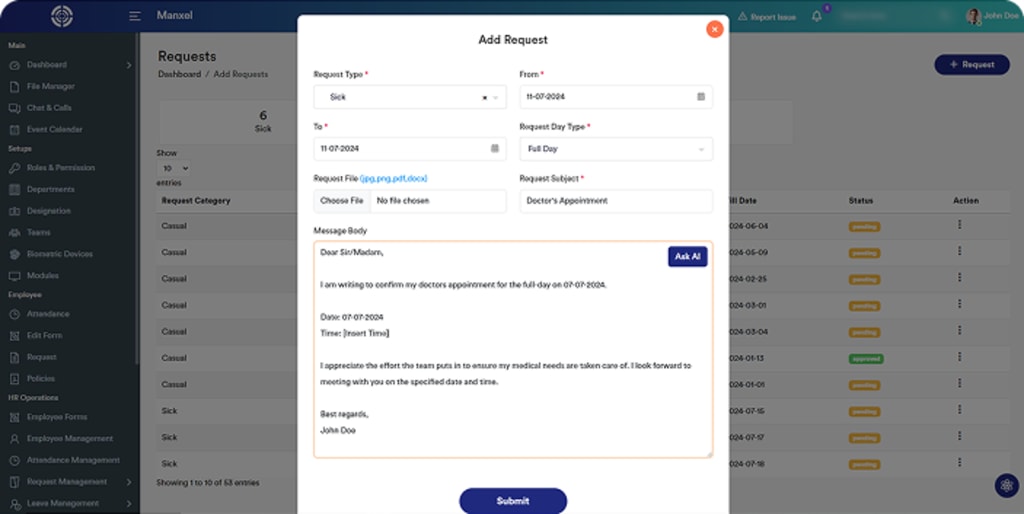
As businesses adapt to remote work, globalization, and an evolving workforce, one truth has become clear: the way we manage human resources must evolve, too. The days of spreadsheets, siloed processes, and paperwork are over. The solution? A unified HRMS system that brings order, clarity, and strategy to your HR operations.
In this article, we’ll break down what an HRMS system is, explore its transformative impact on businesses, and highlight the best practices for a successful implementation.
1. What Exactly Is an HRMS System?
An HRMS system, or Human Resource Management System, is an all-in-one software platform designed to manage a wide array of HR functions—from recruiting and onboarding to payroll and employee performance.
Rather than juggling multiple disconnected tools, an HRMS centralizes data and streamlines workflows, ensuring everything is in sync and easily accessible.
Key Features of a Typical HRMS System:
Employee Information Management
Store and update records including personal details, job roles, contract terms, and performance logs.
Recruitment and Hiring Tools
Track candidates, manage resumes, schedule interviews, and streamline onboarding.
Time & Attendance Tracking
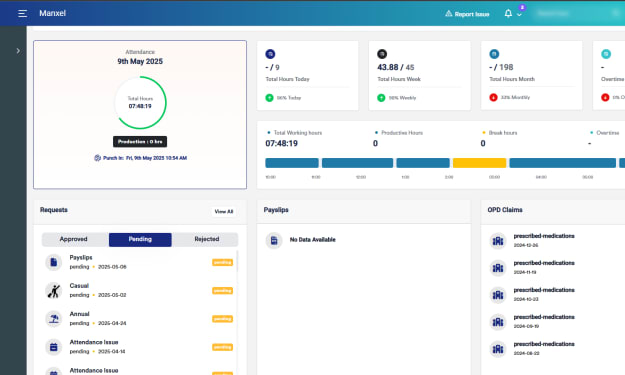
Monitor shifts, overtime, absences, and leave balances.
Payroll and Tax Management
Automate salary calculations, tax deductions, bonuses, and compliance filings.
Performance Reviews & Goal Setting
Facilitate regular reviews, KPIs, and real-time feedback mechanisms.
Training and Development Modules
Assign learning paths, track progress, and ensure compliance certifications.
Employee Self-Service Portal
Empower employees to update info, request leave, and access payslips independently.
A good HRMS system becomes the single source of truth for all employee-related activities, offering efficiency and consistency at scale.
2. Business Advantages of an HRMS System
The implementation of an HRMS system isn’t just about automation—it’s a strategic investment that transforms how organizations manage their people and grow their operations.
A. Time and Cost Savings
Manual HR processes are labor-intensive and error-prone. Automating tasks like attendance tracking and payroll processing reduces the time spent on administrative work and minimizes costly mistakes.
B. Enhanced Accuracy and Compliance
HRMS systems improve accuracy in documentation and help organizations comply with labor laws, tax requirements, and industry-specific regulations. Built-in alerts, document control, and compliance reports significantly reduce legal risks.
C. Elevated Employee Engagement
With access to real-time data, transparent communication channels, and self-service tools, employees feel more in control of their work experience—boosting satisfaction and retention rates.
D. Better Decision-Making
From hiring trends to workforce performance metrics, HRMS platforms offer valuable analytics that enable leaders to make smarter, data-driven decisions.
E. Scalable Growth Support
As your team expands, the complexity of HR tasks grows too. HRMS systems scale with your business, managing a growing workforce without the need for a proportionate increase in HR headcount.
3. Implementing an HRMS System: Steps to Success
Adopting a new HRMS system requires more than just a software purchase. Strategic planning and execution are crucial for long-term success.
Step 1: Define Objectives and Requirements
What problems are you solving? Are you replacing outdated systems, automating specific workflows, or preparing for company growth? Clarify your goals to choose a platform that fits.
Step 2: Evaluate the Right HRMS Vendor
Look for systems that offer:
A clean and intuitive user interface
Mobile-friendly access
Integration with payroll, accounting, and communication tools
Strong customer support and onboarding assistance
Customizable workflows and fields
Step 3: Involve Key Stakeholders
Get buy-in from HR staff, IT teams, finance, and even employees. Their input ensures smoother implementation and greater adoption across the company.
Step 4: Conduct Training and Launch in Phases
Roll out the system in stages—starting with core modules like employee profiles and payroll—before expanding to performance management and learning tools. Offer training and Q&A sessions to help staff feel confident using the system.
Step 5: Monitor Progress and Gather Feedback
Track system usage, employee satisfaction, and error rates. Use this data to optimize how your HRMS functions and continuously improve internal processes.
Conclusion: Future-Proofing Your Workforce with an HRMS System
In today’s competitive landscape, managing human resources efficiently isn't just a back-office function—it’s a critical driver of organizational success. A modern HRMS system empowers businesses to automate, streamline, and elevate every aspect of their HR operations.
From improved accuracy and compliance to better decision-making and employee engagement, an HRMS system serves as a digital foundation for scalable and sustainable workforce management.
About the Creator
Ejaz Hussain
Email marketing | SEO |Blog
Keep reading
More stories from Ejaz Hussain and writers in Education and other communities.
HRMS System: A Smart Solution for Modern Workforce Challenges
Managing human resources is no longer just about payroll and paperwork—it's about strategy, data, and experience. The need for efficient and scalable HR operations has never been greater, and businesses across the globe are turning to advanced digital tools to meet the challenge. One of the most effective solutions available today is the HRMS system.
By Ejaz Hussain7 months ago in Education
5 Practical Ways an LCD Monitor Improves Daily Productivity at Work
Modern work depends on clarity, comfort, and steady focus throughout the day. Employees move between emails, documents, meetings, and data without pause. In this environment, the screen becomes more than a tool. It becomes a daily partner in how work flows and how decisions take shape.
By Olivia Barna day ago in Education


Comments
There are no comments for this story
Be the first to respond and start the conversation.