
HRMS System: The Backbone of Smart Workforce Management
HRMS System

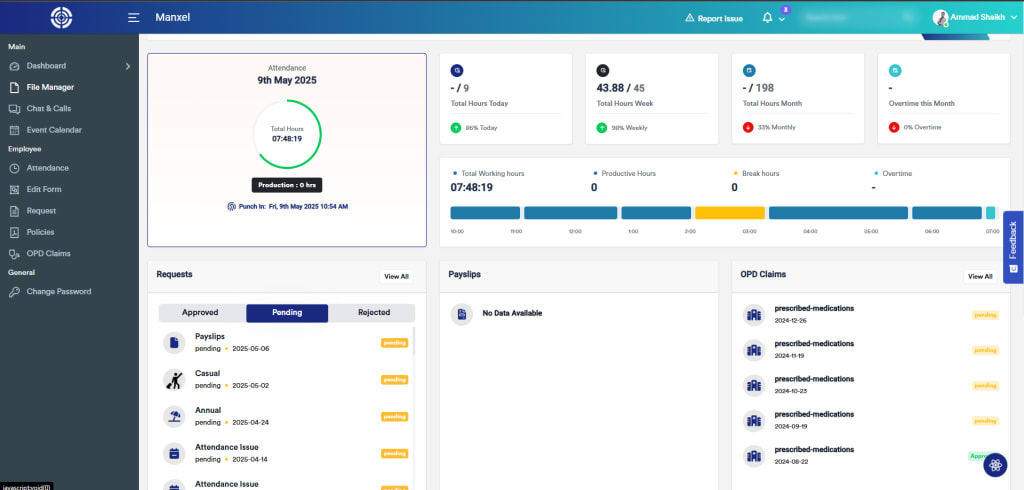
In an age where businesses must adapt quickly to change, effective people management is key to staying competitive. But manual HR processes can no longer meet the demands of a fast-paced, data-driven world. This is where a Human Resource Management System (HRMS system) becomes a strategic asset—not just a tool.
The HRMS system streamlines, automates, and integrates all HR operations—from hiring to retirement—into a single, efficient platform. This not only saves time and money but empowers both employees and HR professionals to be more productive and informed.
Let’s dive into how an HRMS system works, the real-world benefits it brings, and what you need to know before implementing one.
1. The HRMS System Explained: Features That Power Modern HR
A HRMS system is a cloud-based or on-premise software suite that centralizes and automates key human resource functions. Rather than juggling multiple tools and spreadsheets, HR teams get a single source of truth that improves consistency, transparency, and efficiency.
Core Features of a Typical HRMS System
Employee Database Management: Secure digital records of employee details, contracts, roles, documents, and history.
Attendance and Leave Tracking: Automatically logs time, shifts, absences, vacation days, and sick leave.
Payroll Processing: Integrates with time tracking and tax rules to calculate accurate salaries, bonuses, and deductions.
Recruitment and Onboarding: Manages job postings, application workflows, candidate communication, and new hire onboarding.
Performance Evaluation: Tracks employee performance against goals, facilitates reviews, and supports continuous feedback.
Training & Development: Offers learning modules, tracks certifications, and manages employee upskilling programs.
Self-Service Portals: Empowers employees to update personal information, check payslips, apply for leave, and more.
Compliance and Audits: Maintains logs, document trails, and alerts to help meet legal and regulatory obligations.
A good HRMS system is modular, allowing companies to choose the features they need and scale as they grow.
2. Business Benefits of Implementing an HRMS System
An HRMS system is not just an administrative tool—it’s a strategic driver for HR transformation and organizational growth.
A. Boosted Productivity and Efficiency
Automating time-consuming tasks like attendance tracking, payroll processing, and data entry saves valuable hours every week. HR teams can redirect that time into strategic efforts like engagement, talent planning, or DEI initiatives.
B. Better Decision-Making With Real-Time Data
HRMS platforms offer dashboards and custom reports that provide insights into attrition, hiring success, training ROI, and more. These metrics help business leaders and HR managers make informed, data-backed decisions.
C. Enhanced Employee Experience
Self-service tools and clear communication systems improve how employees interact with HR. They no longer have to wait for emails or office visits—they can access information anytime, anywhere.
D. Reduced Errors and Risk
From payroll miscalculations to missed compliance deadlines, manual errors can be costly. An HRMS automates calculations, flags potential issues, and helps ensure your organization stays compliant.
E. Scalable Growth
As companies expand, their HR needs grow exponentially. A good HRMS system adapts to changing requirements—whether that’s managing hundreds of new hires, supporting remote teams, or adding new locations.
3. Steps to Successfully Choose and Deploy an HRMS System
Rolling out an HRMS system is a significant project. Success depends on careful planning, stakeholder involvement, and long-term thinking.
Step 1: Understand Your Needs
Before selecting a platform, identify your HR pain points. Are you struggling with payroll complexity? Is your recruitment process too slow? Do employees find it hard to access their records? The answers will define your must-have features.
Step 2: Evaluate Vendors Thoroughly
Some HRMS systems are ideal for small businesses, while others are built for enterprise-level operations. Evaluate:
Customization Options
Mobile Accessibility
Integration with Other Software (e.g. finance, CRM)
Customer Support & Onboarding Help
Pricing and Contract Terms
Ask for demos, case studies, and references before you decide.
Step 3: Get Leadership and Team Buy-In
HRMS success depends on adoption. Involve HR staff, department heads, and even employee reps in the selection process. Explain how the system will benefit their daily workflows and professional development.
Step 4: Ensure Proper Training and Transition
Provide comprehensive onboarding for both HR and general staff. Offer tutorials, Q&A sessions, and guides that make the transition from manual to digital smooth and frustration-free.
Step 5: Monitor, Adjust, and Optimize
Once your HRMS system is live, use its analytics tools to track usage, flag adoption issues, and gather feedback. Update policies, workflows, and permissions as needed.
Conclusion: The HRMS System Is a Game Changer for Forward-Thinking Companies
The workforce is evolving—and so must the systems that support it. With the rise of remote work, compliance complexities, and the increasing focus on employee experience, businesses cannot afford to manage HR manually anymore. A well-chosen HRMS system empowers HR teams to become strategic partners in the business, not just administrators.
About the Creator
Ejaz Hussain
Email marketing | SEO |Blog
Keep reading
More stories from Ejaz Hussain and writers in Education and other communities.
HRMS System: Empowering People, Streamlining Processes
In the digital-first world, people are the greatest competitive advantage of any organization—but only when they are managed effectively. Human resource management is no longer just about hiring and firing. It’s about building a workforce that is engaged, efficient, and empowered. This is where a modern HRMS system becomes essential.
By Ejaz Hussain7 months ago in Education
The Living Language of Creativity: Why Art Continues to Shape Human Experience
Art has existed for as long as humans have sought to express meaning beyond survival. Universal creative dialogue allows people to communicate emotions, beliefs, and ideas that cannot always be captured through words alone. From early symbolic markings to contemporary visual culture, art reflects how individuals and societies understand themselves and the world around them.
By Marissa Haugh2 days ago in Education



Comments
There are no comments for this story
Be the first to respond and start the conversation.