
HRMS System: Empowering People, Streamlining Processes
HRMS System

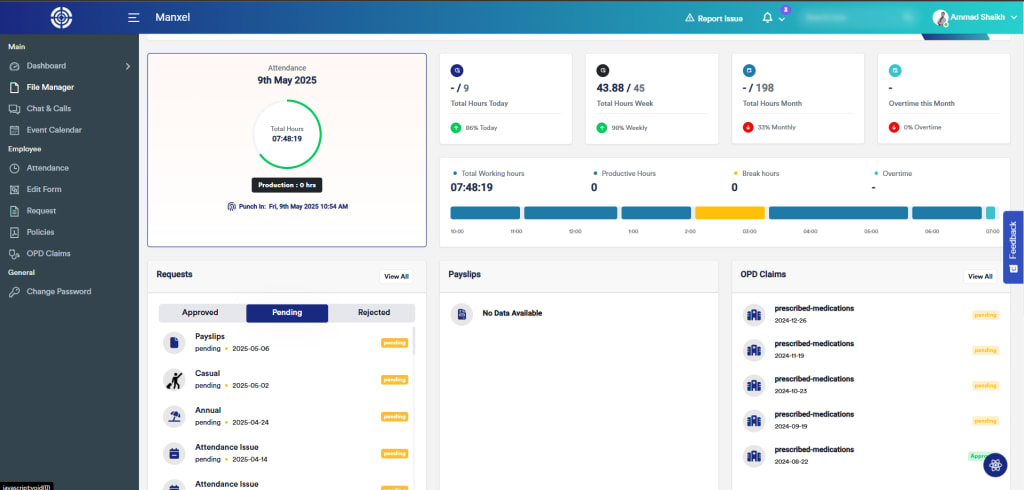
In the digital-first world, people are the greatest competitive advantage of any organization—but only when they are managed effectively. Human resource management is no longer just about hiring and firing. It’s about building a workforce that is engaged, efficient, and empowered. This is where a modern HRMS system becomes essential.
The Human Resource Management System (HRMS) brings together all HR functions under a single, integrated platform. It helps businesses stay compliant, enhance productivity, and build a data-driven culture. Let’s explore how.
1. What is an HRMS System and Why Does It Matter?
An HRMS system is a software solution that automates, organizes, and simplifies every key HR function. It merges core human resource processes into one place, replacing traditional paperwork and disjointed systems with a seamless experience.
Common Functions of an HRMS System:
Personnel Management: Keeps a centralized database for employee details, contracts, job roles, and personal records.
Recruitment & Applicant Tracking: Manages job postings, filters resumes, tracks candidates, and supports smooth onboarding.
Leave & Attendance: Automates leave requests, approvals, and attendance tracking using biometric or cloud-based tools.
Payroll Management: Calculates salaries, applies tax deductions, and ensures timely payments.
Performance Tracking: Enables performance reviews, goal-setting, feedback loops, and employee assessments.
Training & Upskilling: Assigns learning modules, tracks completion, and analyzes skill gaps.
A well-implemented HRMS is the nerve center of your HR department, combining multiple tools and workflows into a single, user-friendly system.
2. Key Benefits of Adopting an HRMS System
Investing in an HRMS system is about more than just technology—it’s about enabling your people to do their best work, faster and smarter.
A. Operational Efficiency
Manual processes take up time, and mistakes are costly. HRMS systems automate repetitive tasks, allowing HR professionals to focus on strategic initiatives. With fewer errors and faster processing, productivity increases across the board.
B. Enhanced Employee Experience
An HRMS system improves employee satisfaction by giving individuals access to their own data. They can update personal information, apply for leave, access payslips, and view performance reviews—all through a self-service portal.
C. Better Decision-Making Through Data
Data-driven HR decisions lead to better outcomes. HRMS systems provide real-time analytics on employee performance, turnover, hiring trends, and more. These insights help HR managers make informed, impactful decisions.
D. Improved Compliance and Risk Reduction
Keeping up with labor laws, tax rules, and company policies can be overwhelming. HRMS systems offer built-in compliance checks, alerts, and documentation workflows, helping businesses avoid penalties and maintain legal safety.
E. Cost Savings
Though the upfront cost of HRMS software might seem high, the long-term savings are significant. You reduce paper usage, eliminate redundancies, and streamline processes—saving on both time and manpower.
3. How to Implement an HRMS System Effectively
Deploying a new HRMS system is a transformative project. Here are best practices to ensure success:
Step 1: Set Clear Objectives
Define what you want the system to solve. Are you aiming to reduce administrative workload? Improve onboarding? Increase transparency? Clear goals guide the entire selection and rollout process.
Step 2: Select the Right Platform
Choose an HRMS system based on:
Business size and growth stage
Budget and pricing model
Integration with existing tools
User experience and mobile compatibility
Vendor support and training
Step 3: Plan the Rollout in Phases
Avoid overwhelming your team. Start with high-impact modules like payroll or attendance. Once adoption stabilizes, introduce other features such as performance tracking or training.
Step 4: Train HR Teams and Employees
Offer hands-on training sessions, demo videos, and help documents. Encourage employees to explore the system and offer feedback to refine usability.
Step 5: Monitor, Measure, Improve
Use the built-in analytics of your HRMS system to monitor usage, identify roadblocks, and measure success. Continuously optimize processes based on real-world insights.
Conclusion: The HRMS System is the Future of Human Resource Management
As companies evolve, so must their approach to managing talent. Paper trails and disconnected systems are no longer sustainable in a world where agility and data are king. The HRMS system is not just a software solution—it’s a transformational engine that empowers people, automates complexity, and brings strategic clarity to HR
About the Creator
Ejaz Hussain
Email marketing | SEO |Blog
Keep reading
More stories from Ejaz Hussain and writers in Education and other communities.
HRMS System: Driving Efficiency and Growth in the Digital Age
In a time where digital transformation is no longer optional, companies must reassess how they manage their most important asset—people. Outdated spreadsheets, manual attendance sheets, and scattered employee records can no longer support fast-growing businesses. The modern solution? A comprehensive HRMS system.
By Ejaz Hussain9 months ago in Education
The Power of Donating to Charity and Giving Back to Community
Charity has long been an important part of human society. Throughout history, people have understood that helping others creates stronger, more compassionate communities. Donating to charity and giving back to the community is more than simply providing financial support. It is an expression of empathy, responsibility, and shared humanity. When individuals contribute their time, resources, or skills to support others, they help build a culture where kindness and cooperation thrive.
By Jason Prueta day ago in Education
Unlocking Value: A Strategic Guide to Opportunities in the Foreclosure Market
The foreclosure market develops when property owners fail to meet mortgage obligations, and lenders initiate legal processes to recover unpaid loans. As a result, these properties often return to the market under different conditions than traditional listings. Moreover, lenders typically aim to sell quickly to minimize losses, creating pricing advantages for informed buyers. Because of this structure, foreclosure properties may present opportunities for investors who approach them with preparation and discipline.
By Michael O'Sullivan Hamptona day ago in Education
Why Didn't Anyone Tell Us
Men, move along. This is not for you. This is for the women. I was forty-five when I began menopause. It is pretty young for that to be going on in a woman’s life, but I had undiagnosed PCOS, my entire life. Thank you to all the gynecologists I had seen my entire life. That in itself should encourage women to keep seeking second opinions, especially when you are not getting correct answers or any at all.
By Alexandra Grant6 days ago in Humans


Comments
There are no comments for this story
Be the first to respond and start the conversation.